Look, Let’s Get This Straight About Spiral Notebooks
You’re probably looking at a purchase order right now. Or maybe you’re comparing quotes from three different suppliers, trying to figure out why the prices are all over the place. The term “spiral notebook notes” gets thrown around a lot, but nobody really sits you down and tells you what you’re actually buying. Is it just a notebook with a wire? Is it better? Worse? And why does it matter for your school, your office, or your next bulk order?
Here’s the thing — it’s not just about the spiral. It’s about what that spiral means for the person using it, day in and day out. For the student who needs to tear out a page cleanly. For the accountant who needs a book that lies flat on a crowded desk. The procurement manager’s job isn’t just to buy notebooks; it’s to buy the right tool. And most people get that wrong because they focus on the cover or the page count and forget about the binding that holds it all together.
If you’re sourcing for a school district, a corporate training program, or a government tender, you need to know this stuff. Not the marketing fluff. The real, practical, on-the-ground details that affect durability, cost, and user satisfaction. I’ve been in this business for decades, and the conversations I have with buyers usually start with a simple question they’re almost embarrassed to ask. Let’s just talk about what spiral binding actually is.
What “Spiral Notebook Notes” Actually Means (It’s Not What You Think)
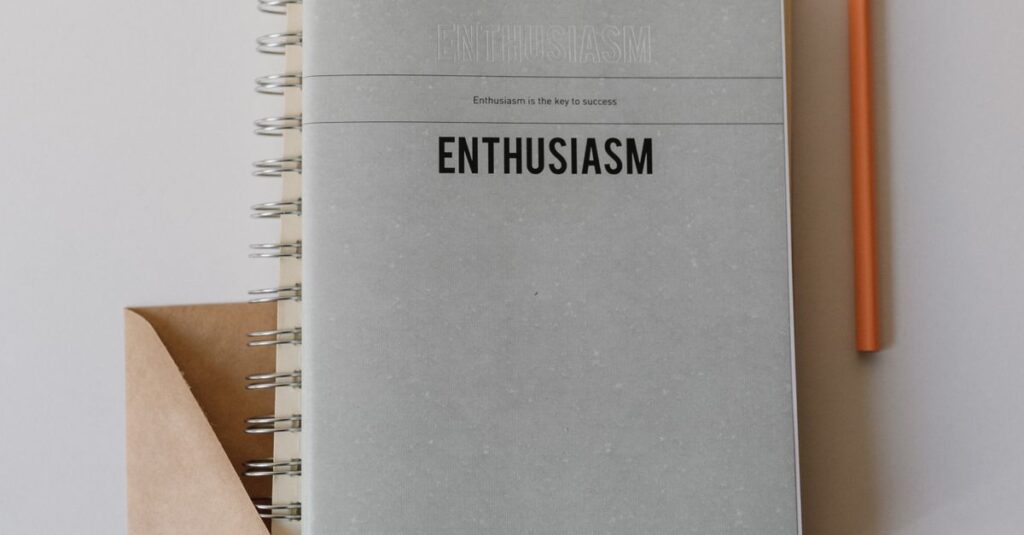
When someone says “spiral notebook notes,” they’re usually talking about two things mashed together: the physical notebook with a spiral or wire binding, and the content — the notes — that go inside it. But in the manufacturing and procurement world, we’re only talking about the first part. The vessel. The product.
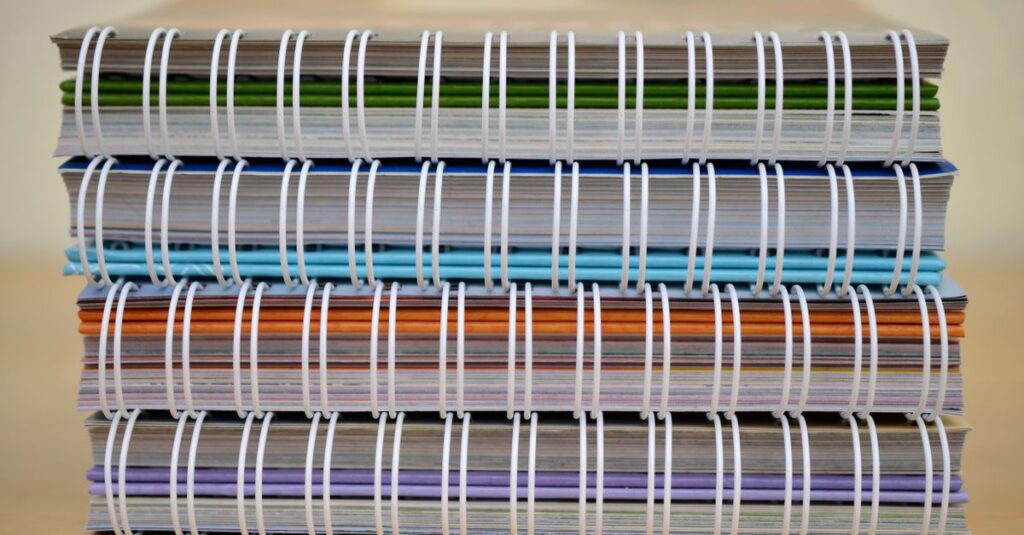
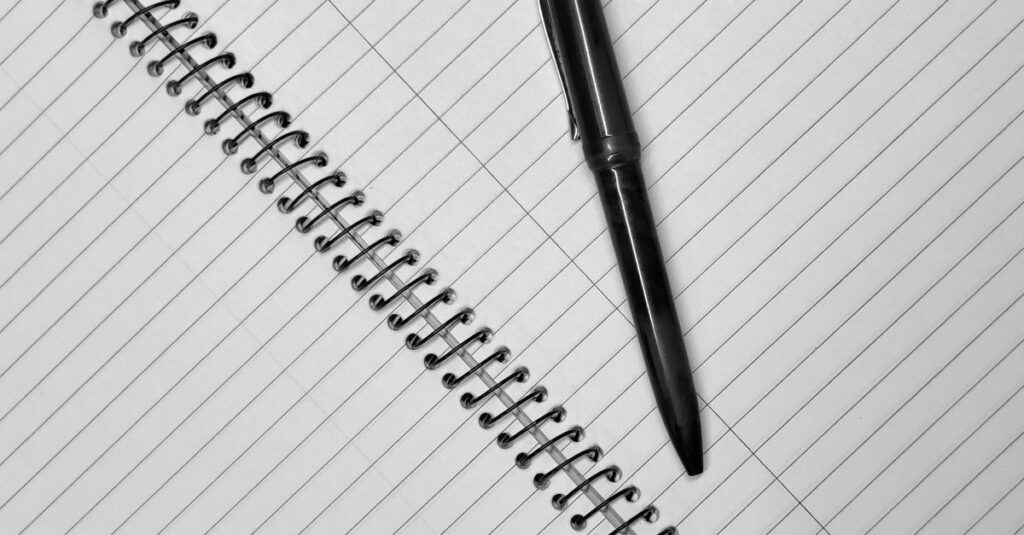
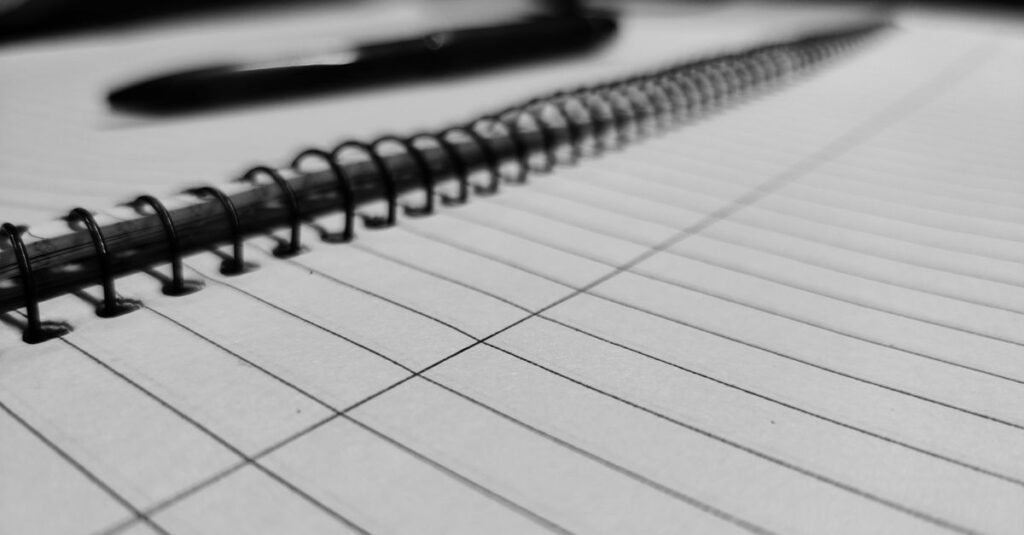
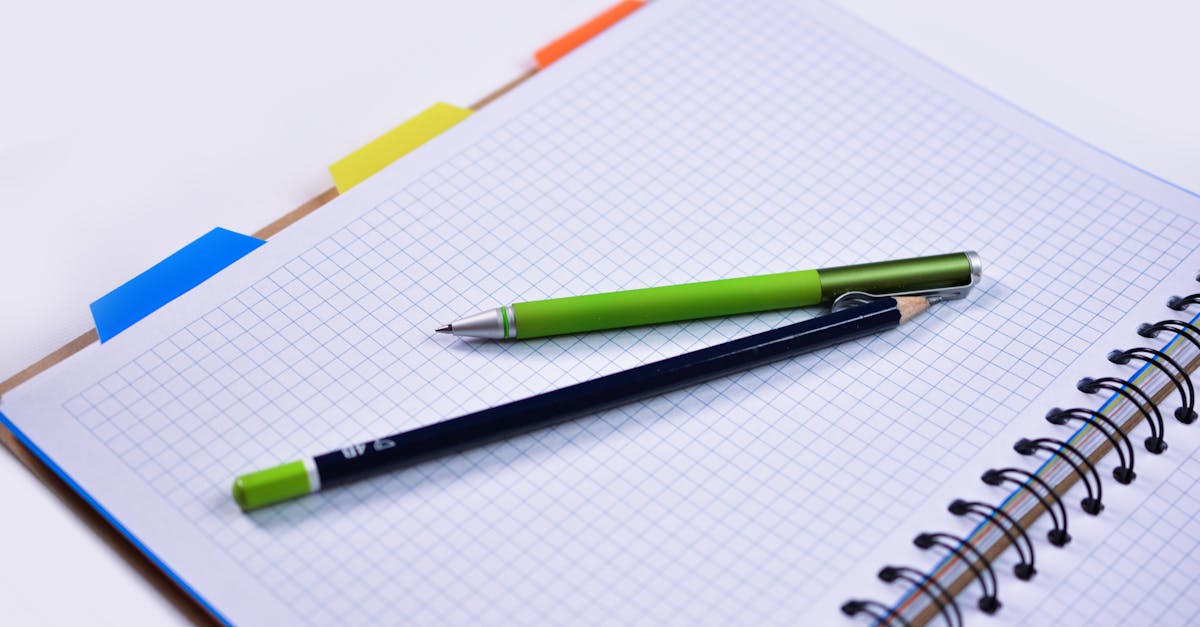
Spiral binding is a specific process. A continuous wire coil is threaded through a line of holes punched along the spine of the notebook pages. That’s it. But that simple process creates a specific set of features: a book that opens 360 degrees, lies perfectly flat, and allows pages to be turned all the way back without breaking the spine. It also means pages can be torn out along the perforation without damaging the rest of the book. This isn’t a small detail. For students, trainees, or anyone who needs to submit individual sheets, it’s the only thing that matters.
I think the confusion comes from online searches. Someone might be looking for “notes” on a topic and end up with product listings. But if you’re here, you’re likely not a student looking for study notes. You’re a buyer looking for the product. And you need to know what you’re evaluating.
The Real-Life Test: Priya’s Classroom
Priya, 42, teaches biology at a junior college in Hyderabad. Her lab practical sessions require students to record observations, sketch diagrams, and then tear out those specific pages to submit for grading. For years, the school supplied cheap, stapled notebooks. The pages would rip jaggedly, sometimes taking part of the next page with it. Diagrams got ruined. Last year, the procurement manager — after a lot of feedback — switched to spiral-bound notebooks from a reliable manufacturer. The difference wasn’t just functional. The frustration in her classroom dropped. The students’ work was cleaner. A small change in a purchase order changed the daily experience of 200 students. That’s what you’re buying.
Anyway. The point is, the term points to a utility that other bindings can’t match.
Spiral vs. Everything Else: A Procurement Manager’s Cheat Sheet
You’ll get quotes for stitched binding, perfect binding, and spiral binding. The price difference can make you pause. Why pay more for the wire? Or, sometimes, why is the spiral option cheaper? It depends on volume, automation, and material cost. But the cost isn’t the only variable. You have to match the binding to the use case. Getting this wrong means waste, complaints, and re-orders.
Let me break it down in a way that actually helps you decide.
| Feature | Spiral/Wire-O Binding | Stitched (Saddle-Stitched) Binding |
|---|---|---|
| Lies Flat | Yes, 360 degrees. | No. Tends to close itself. |
| Page Removal | Clean, along perforation. | Destructive. Ruins the spine. |
| Durability for Heavy Use | High. Wire coil is robust. | Medium. Staples can snag and pull out. |
| Page Count Limit | High (up to 700+ pages feasible). | Low (best for sub-100 pages). |
| Cost at High Volume | Competitive, especially automated. | Very low, but limited application. |
| Ideal For | Workbooks, lab manuals, training modules, art pads. | Pamphlets, short journals, cheap exercise books. |
See? It’s not about good or bad. It’s about right or wrong for the job. Ordering spiral-bound notebooks for a one-time event handout is overkill. Ordering stapled notebooks for a year-long account ledger is a disaster waiting to happen. The table makes it obvious.
The Manufacturing Floor View: How Spiral Binding Actually Works
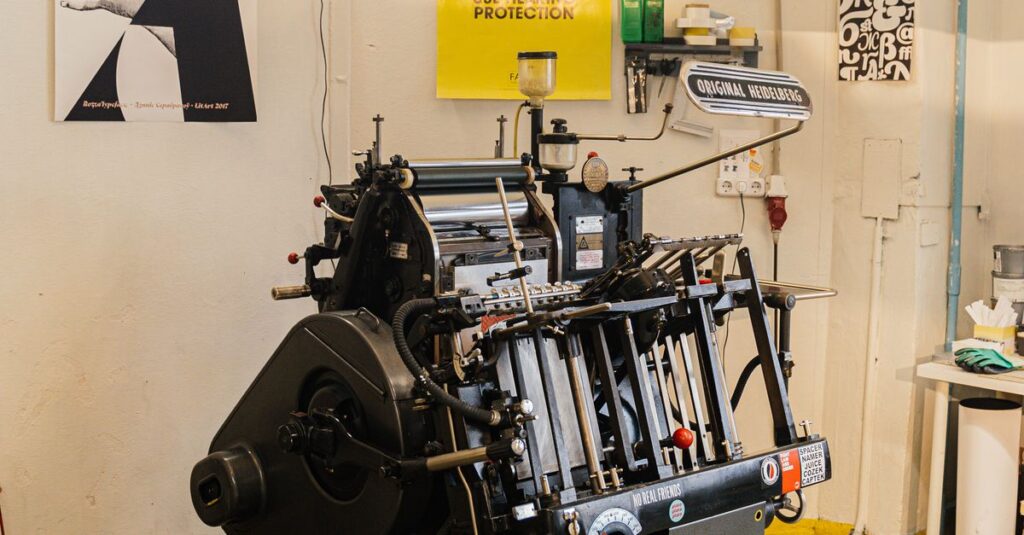
I was on the factory floor last week, watching a line run spiral-bound drawing books. There’s a rhythm to it. The pre-printed, cut, and collated pages get fed into a machine that punches the holes in one clean stroke. Then, another machine spins the wire coil off a huge spool — it looks like a giant roll of steel thread — and threads it through the holes, clipping the ends. It’s fast. One operator can oversee the production of thousands of units a day.
But here’s what most buyers don’t see: the quality hinges on two things. The paper punching must be clean, or the pages will catch and tear. And the wire coil itself must be the right gauge and coating. A cheap, thin wire will kink and deform, making the notebook hard to open and close. A good manufacturer sources coated wire that resists rust and has some spring to it. This is where the hidden cost — or value — lives. You can’t tell from a PDF quote.
When you’re evaluating a custom printing job, ask about the wire specification. It sounds technical, but it’s the difference between a notebook that lasts a semester and one that fails in a month.
Expert Insight
I was reading an industry journal last month — one of those dry, technical ones — and a line from a binding machine engineer stuck with me. He said the biggest mistake in notebook production isn’t using the wrong paper; it’s assuming all binding methods are equally durable for all tasks. The spiral binding, he argued, is the only one that mechanically accommodates both full mobility and secure retention of a high page count. I don’t have a cleaner way to put it than that. It’s an engineered solution, not just a fastening method. And once you see it that way, your sourcing criteria change.
Why Bulk Buyers Keep Coming Back to Spiral (And When They Shouldn’t)
Most of my long-term clients — the schools, the corporate training centers, the government offices — have standardized on spiral binding for their core, reusable materials. There’s a reason. The total cost of ownership is lower. Fewer replacements. Less user frustration. Higher perceived value, which matters if you’re handing out branded materials to clients or partners.
But. And this is a big but. Spiral binding is not always the answer. For disposable items, for very short-term use, or for budgets that are brutally tight, it’s over-engineering. If you’re producing a 20-page handout for a one-day seminar, a stapled booklet is fine. More than fine. It’s smart. The key is to segment your order. Use spiral for the items that need to endure. Use simpler binding for the rest. A good manufacturer should help you figure this out, not just upsell you on the more expensive option.
Think about it this way: you’re not just buying notebooks. You’re buying functionality. And that functionality has to match a real human need.
Your Checklist for Ordering Spiral Notebooks in Bulk
Right. Let’s get practical. If you’ve decided spiral binding is the way to go, here’s what you need to specify. Miss any of these, and you might get a product that doesn’t fit your purpose.
- Wire Coil Diameter & Coating: Ask for it. 20mm coil is standard for thick books. Make sure it’s polymer-coated for smooth operation.
- Hole Punching: Are the holes round or square? Square holes are better for thicker pages as they grip the wire better. It’s a tiny detail with a big impact.
- Perforation: Do you need pages to tear out? If yes, the perforation must be clean and consistent across all pages. Test samples.
- Cover Durability: A spiral-bound book gets handled more. The cover needs to be sturdy — think 250+ GSM art card or laminated.
- Page Count & Paper GSM: Spiral binding can handle more pages, but the paper weight (GSM) must be appropriate. 70-80 GSM is sturdy for writing; 100+ GSM for drawing. Don’t go below 54 GSM for any serious use.
This list isn’t exhaustive. But it covers the headaches I’ve seen buyers have nine times out of ten. You can avoid all of them by being specific upfront.
Frequently Asked Questions
Are spiral-bound notebooks more expensive than stitched ones?
For low page counts, yes, usually. The wire and the punching process add cost. But for thicker books (150+ pages), the cost difference shrinks or even reverses because spiral binding is more efficient for high page counts than stitching. Always get a comparative quote based on your exact specs.
Can spiral-bound notebooks be customized with our logo?
Absolutely. In fact, they’re one of the best products for customization. You can print your logo, brand colors, and even custom page headers on the cover and every page. The spiral binding itself can sometimes be color-matched too. It’s a great option for corporate gifts or branded training materials.
What’s the maximum number of pages for a spiral notebook?
It depends on the paper thickness. With standard 70 GSM paper, you can comfortably go up to 300-400 pages. With thinner paper, even 700 pages is possible. The limit is really the coil diameter — a thicker book needs a wider coil to allow the pages to turn properly.
Are the pages in spiral notebooks easy to tear out?
Only if they are perforated. This is a specific feature you must request. Not all spiral notebooks have perforated pages. If you need this function, make it clear in your order. A good perforation will let a page tear out cleanly without leaving a jagged edge.
We need notebooks for archival purposes. Is spiral binding good?
For long-term archiving, spiral binding is excellent because the book lies flat without stress on the spine, preventing pages from loosening over time. However, ensure the wire coil is coated to prevent rust, and use acid-free paper for the pages to avoid yellowing.
Wrapping This Up
So, “spiral notebook notes” isn’t just a search term. It’s a pointer to a specific, highly functional product category. For anyone buying in bulk — for schools, offices, or events — understanding this functionality is the difference between a successful purchase and a warehouse full of complaints.
The choice isn’t really about the binding. It’s about matching a physical object to a human behavior. Will this book be opened and closed hundreds of times? Will pages need to come out? Does it need to survive a backpack or a desk drawer for a year? Answer those questions, and the right binding — spiral or otherwise — becomes obvious.
I don’t think there’s one perfect notebook for every situation. Probably there isn’t. But if you’ve read this far, you’re not just looking for a product listing. You’re looking for the right tool for a job. And that’s the only way to buy anything, really. Sometimes, talking to the people who make the stuff is the fastest way to get the right answer.