Certificate Printing Near Me: The Real Guide for Businesses
You’ve got the awards ceremony in six weeks. The budget’s been approved. The names are almost finalized. And then someone — probably you — types “certificate printing near me” into Google. And the headache starts.
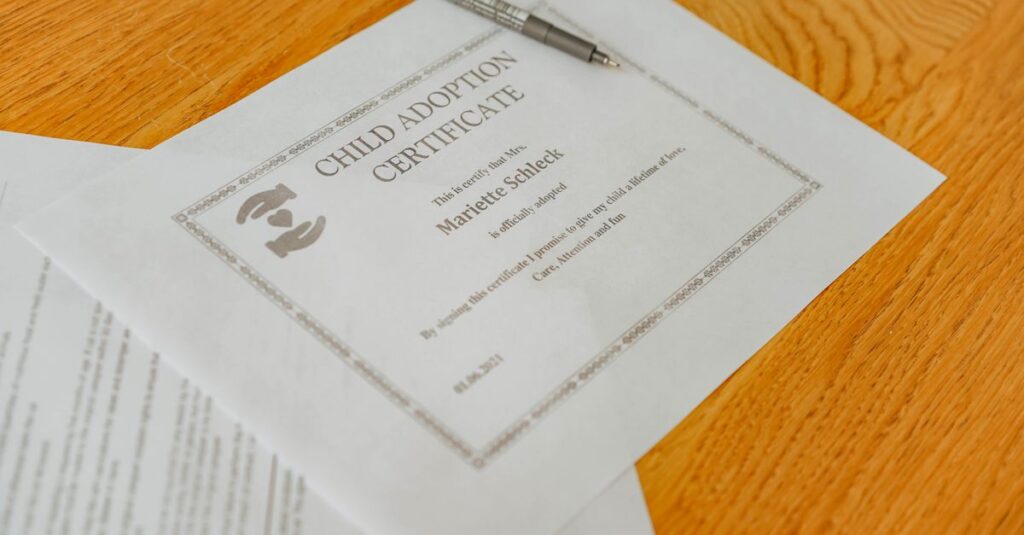
Because that search doesn’t really mean “near me.” Not in the way you think. You’re not looking for the local print shop that does birthday invites. You need a place that understands what a certificate is. The weight of the paper. The authority of the foil stamp. The fact that these aren’t just pieces of paper — they’re the tangible proof of someone’s work. For a school principal, a corporate manager, or a procurement officer, that’s a completely different ball game. It’s not about proximity; it’s about capability. If you’re dealing with bulk orders for an institution, this is the only thing that matters.
What You’re Actually Searching For (And Why Google Gets It Wrong)
Google hears “near me” and thinks local. But your brain is thinking something else entirely. You’re thinking: “Who can do 500 of these by next month? Who won’t mess up the logos? Who uses paper that doesn’t feel cheap?” That’s a supplier search, not a local services search.
The real need behind “certificate printing near me” breaks down into three things people rarely say out loud:
- Trust in bulk handling: Will they drop the ball on my 1,000-unit school order?
- Fear of looking cheap: Nothing kills the mood of an awards night faster than flimsy paper.
- The customization black hole: “Yes, we can print your logo” often means “We’ll slap a pixelated JPEG in the corner.”
I was talking to a college administrator from Visakhapatnam about this last week. They’d ordered certificates for their annual tech fest from a “local” printer. The gold foil peeled off in humidity. The corners were bent. The whole batch looked like a last-minute afterthought. His exact words: “We spent lakhs on the event and the certificates looked like we found them in a gutter.” That’s the risk.
And that’s the disconnect. The search is local, but the problem is industrial.
The Certificate Types Nobody Explains (And Which One You Probably Need)
Most articles will list “academic, corporate, appreciation.” That’s useless. Let’s talk about what you actually have to decide on when you place an order.
First, the paper. This is where people get lost.
- The Standard 100+ GSM: Your workhorse. Feels substantial. Good for internal company awards or school participation certificates. This is what most bulk notebook manufacturers — the ones who know paper — will push you towards. It’s durable.
- The Premium 180+ GSM Card: This has heft. You hand it over and it means something. Think top-tier employee awards, university merit certificates. The cost jumps, but so does the perception.
- The Specialty Paper: Parchment, linen-weave, cotton-based. This is for legacy awards, lifetime achievements. It’s expensive and often needs a specialist printer.
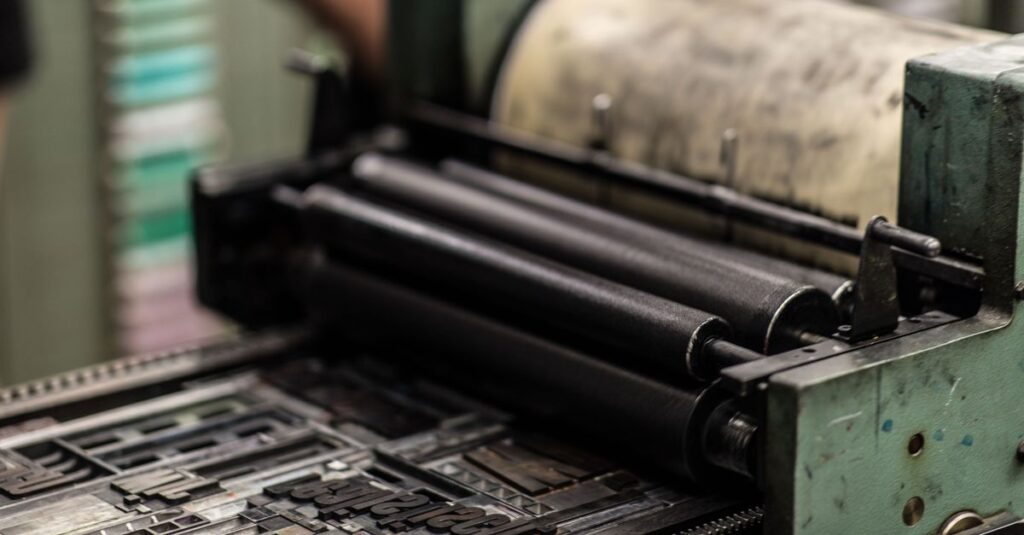
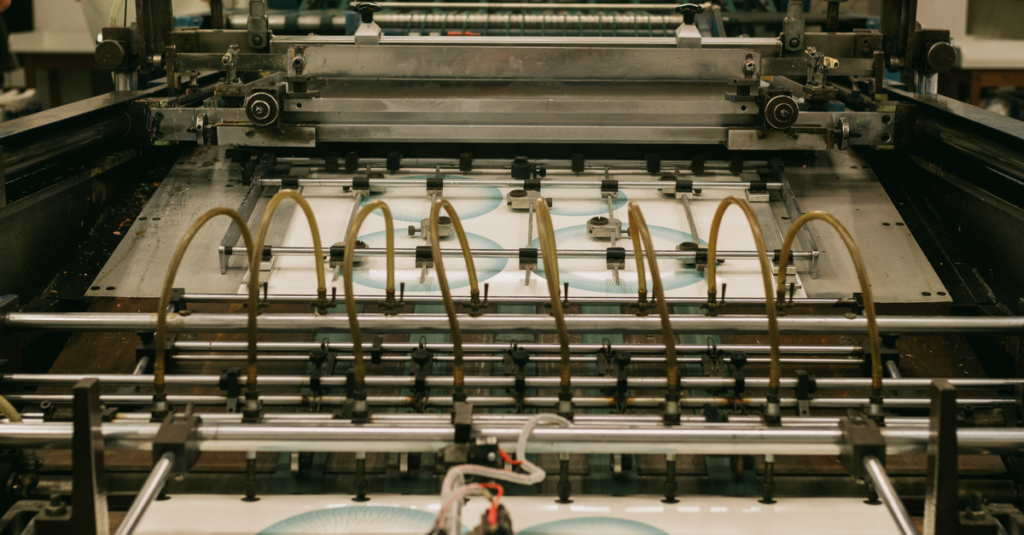
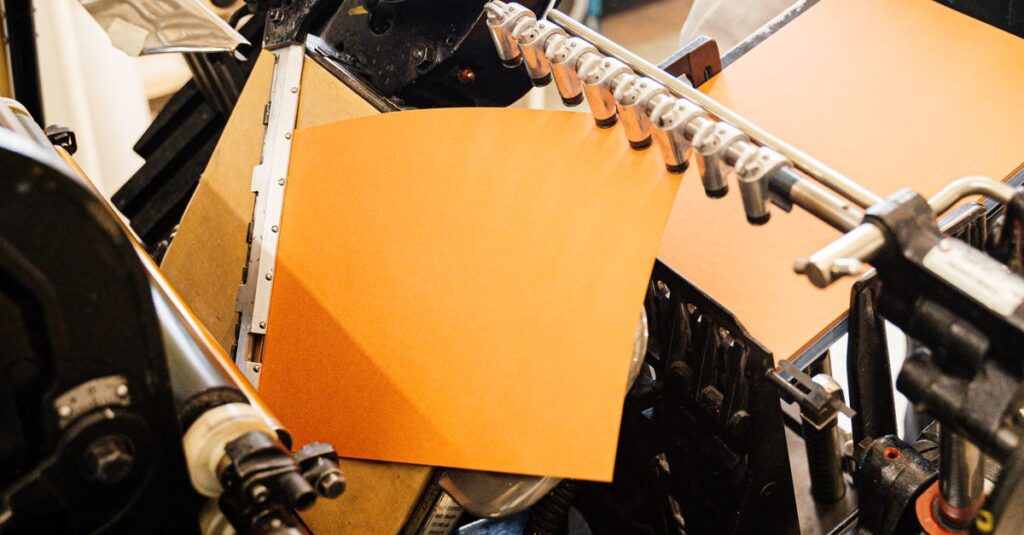
Then, the printing itself. Offset versus digital. Offset is for massive runs where every copy needs to be identical — think thousands of school leaving certificates. The setup cost is high, but the per-unit cost drops. Digital is your friend for smaller, customized batches. Need 200 certificates, each with a different name and achievement? Digital. Most manufacturers who do bulk notebooks have offset presses, which is worth knowing.
And the finish. Lamination for protection. Foil stamping (gold, silver) for prestige. Embossing for that tactile, classic feel. You pick one based on the message: durability, luxury, or tradition.
Here’s a thing I keep seeing: schools order laminated certificates thinking it’s premium. But in a humid climate like Rajahmundry or Chennai, cheap lamination bubbles and yellows in a year. Sometimes the “premium” option is the one that ages the worst.
Expert Insight
I was reading an old industry journal last month — one of those physical ones they have in waiting rooms — and a binder manufacturer said something that stuck. He said the difference between a commodity and a keepsake isn’t the design. It’s the perceived permanence. A certificate printed on good paper, with clean stitching or binding at the top if it’s in a booklet, tells the recipient: “This moment was worth preserving.” A flimsy sheet says: “This was a paperwork requirement.” I don’t have a cleaner way to put it than that. The more capable someone is, the harder it becomes to ask for the right paper stock.
The Real Cost Breakdown (It’s Not Just Price Per Sheet)
Let’s talk money, because this is where procurement managers get stuck. You compare two quotes: one at ₹15 per certificate, one at ₹22. The cheaper one wins, right? Nine times out of ten.
But that’s the wrong math. The real cost includes the hidden stuff:
- Proofing and Correction Cycles: A cheap printer might charge you for every round of changes after the first. A good one builds in two rounds because they know clients need it.
- Packaging and Delivery: Are your 500 certificates going to arrive in a single box, crushed? Or individually packed in stiff boards? That cost is either hidden or absent.
- The “Oh Crap” Factor: What if there’s a spelling error in the template? A reliable supplier will eat that cost and reprint. A budget one will present you with a new invoice.
I think — and I could be wrong — that most businesses underestimate the emotional cost of a botched job. The time spent apologizing. The awkwardness at the event. The photo of the CEO handing over a crooked, poorly printed certificate that lives on the company social media forever. That’s the actual price.
So when you get quotes, your first question shouldn’t be “What’s the rate?” It should be “Walk me through what happens if we find an error after you’ve printed 200.” The answer tells you everything.
| Consideration | Local Quick Print Shop | Bulk Stationery Manufacturer |
|---|---|---|
| Best For | Urgent, small batches (under 50), simple design | Large institutional orders (500+), complex customization, need for durability |
| Paper & Material Knowledge | Basic. Often limited to a few stocked options. | Deep. Understands GSM, grain, coating, and how paper behaves in bulk binding. |
| Customization Depth | Usually surface-level (change text, add logo). | Can handle custom sizes, special rulings, foil stamping, integrated booklet binding. |
| Bulk Handling & Logistics | Can struggle. Packaging may be an afterthought. | Core competency. Built for palletizing, secure shipping, and on-time bulk delivery. |
| Cost Efficiency at Scale | Per-unit cost stays high. No economies of scale. | Per-unit cost drops significantly after a certain quantity. Built for scale. |
| The Hidden Risk | Inconsistency across batches, amateur finishing. | May have higher minimum order quantities (MOQs). Less “instant.” |
THIS IS THE PART NOBODY SAYS OUT LOUD: Often, the “local” solution for a pan-India company is a manufacturer in another state with a robust supply chain. “Near me” is about reliable delivery to your door, not physical distance.
Meet Priya (This Happens More Than You Think)
Priya, 38, is the admin head for a mid-sized IT firm in Hyderabad. Annual awards. She needs 120 certificates, each with the employee’s name, a unique achievement line, and the corporate logo in foil stamp. Her budget is tight. She finds a local printer in Banjara Hills who promises the world for a great price.
The proofs look okay on screen. The delivery arrives two days before the event. She opens the box. The foil is a dull, muddy yellow, not gold. The paper is so thin she can see the text from the back. And the names — printed in a cheap digital font — have a slight blur. She has 48 hours. She has no backup. She serves coffee at the event, hoping nobody looks too closely at the certificates they’re proudly holding on stage.
She doesn’t make that mistake again.
How to Actually Vet a “Certificate Printing Near Me” Result
So you’ve searched. You have a few names. What now? Don’t just look at their portfolio pictures — lighting and Photoshop work miracles.
Ask for physical samples. Always. Say you want to see and feel their standard 120 GSM and 180 GSM certificate stock. Check the edges. Are they clean-cut or slightly furry? Hold it up to the light — is the paper uniformly opaque?
Ask about their process for data merging. If you’re sending an Excel sheet of 800 names and awards, how does that get onto the certificate? A professional outfit has a streamlined digital workflow. A smaller shop might be manually typing, which is a guaranteed error factory.
Inquire about their binding options. Wait, binding for a certificate? Yes. Many institutional certificates, especially for professional courses or multi-year achievements, are presented in a leatherette or card-covered booklet. The certificate is the centerpiece, but it’s bound with syllabus pages or a description of the award. This is where a notebook and diary manufacturer has a massive advantage over a regular printer. They think in terms of bound sets from day one.
And finally, ask for a client reference in a similar field. A school, a corporate HR department, a training institute. Not just a quote from a wedding photographer they did certificates for once.
Look, I’ll be direct. The right partner for certificate printing isn’t always the one that pops up on Google Maps with a “Printing Near You” tag. It’s the one whose core business is creating official, durable, meaningful printed material at scale. Sometimes that’s 2000 kilometers away. And that’s okay.
Frequently Asked Questions
What is the typical turnaround time for bulk certificate printing?
For a standard order of 500-1000 units with pre-approved design, expect 10-15 working days from a serious manufacturer. This includes paper sourcing, proofing, printing, finishing (like foil stamping), and careful packaging. Rush jobs are possible but will cost significantly more and compromise on quality checks. Always build in buffer time for proof approvals.
Can I get certificates with individual names printed in bulk?
Absolutely. This is called variable data printing and is a standard service for digital printers and many larger manufacturers. You provide a spreadsheet (Excel/CSV) with names, dates, award titles, etc. The machine automates the change for each sheet. It’s perfect for graduations, employee awards, or conference participation. Just ensure your data is 100% accurate before sending.
What paper GSM is best for award certificates?
It depends on the award’s prestige and budget. For internal recognition or participation, 120-150 GSM gives a good, substantial feel. For major awards (Employee of the Year, academic excellence), 180-250 GSM card stock conveys importance and durability. Thinner paper (below 100 GSM) feels cheap and can easily crease. When in doubt, ask for samples to feel the difference.
What’s the difference between foil stamping and gold ink printing?
This is crucial. Foil stamping uses a heated die to press a thin metallic foil onto the paper. It’s raised, shiny, and premium. Gold ink is just metallic-colored ink printed via offset or digital. It lays flat, can look dull, and may rub off over time. For certificates meant to last, foil stamping is the professional standard. Ink is a budget alternative.
Do you offer design services for certificates?
Most reputable bulk printers and manufacturers do. They can take your logo, brand colors, and text to create a professional template. However, if you have a specific, complex design in mind, it’s often better (and faster) to have a graphic designer create the final print-ready file. Then the printer focuses on perfect reproduction, which is their real expertise.
Look, It’s About More Than Ink on Paper
Earlier I talked about cost and logistics. That’s not quite fair — it’s more that those are the visible problems. The invisible one is meaning.
A certificate is a physical artifact of a moment. It sits on a desk, gets pinned to a wall, goes into a frame. It’s a story someone tells. “This is when I got recognized.” The printing job either supports that story or undermines it. There’s no middle ground.
So when you search “certificate printing near me,” you’re not really looking for a location. You’re looking for a partner who gets that. Who knows that 120 GSM paper has a different bend than 180 GSM. Who understands that foil needs the right temperature to adhere. Who packs the order so it arrives pristine.
I don’t think there’s one perfect answer here. Probably there isn’t. But if you’ve read this far, you’re not just shopping for a printer. You’re sourcing a piece of someone else’s pride. And that’s a different job altogether. Maybe start the conversation with someone who makes keepsakes for a living.