So, What Are These “Copies for Notes” Everyone Keeps Asking For?
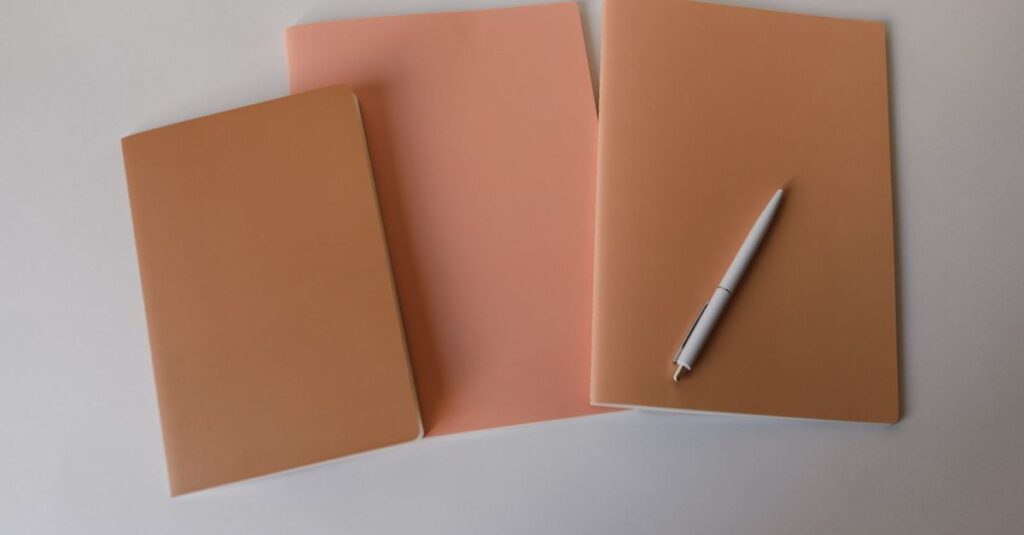
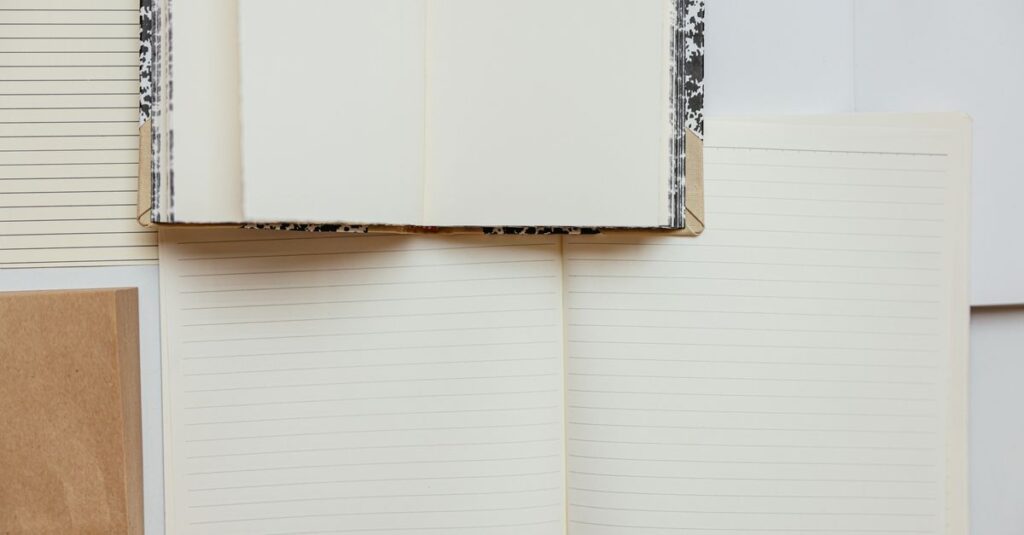
Let’s just get this out of the way. When someone says “copies for notes,” especially someone buying for a school or a corporation, they’re not talking about photocopies. Right? They’re talking about the physical notebook. The book you write your notes in. In India, and across a lot of the world where we export, it’s just the common term — school copies, long copies, note copies. It means a bound, ruled, blank book. And if you’re the person tasked with ordering ten thousand of them by next quarter, you’re not looking for a poetic definition. You’re looking for a manufacturer who gets it.
You want someone who knows that a “52-page single ruled long notebook” is a specific, tangible thing with a price and a production timeline. You need to know the paper won’t bleed through, the binding won’t fall apart in a student’s bag, and the print on the cover will be exactly what your logo looks like. That’s the real question behind the search. It’s a procurement question wrapped in everyday language. If this sounds like the headache you’re dealing with, understanding the manufacturing side might be the first step to solving it.
The Anatomy of a “Copy”: It’s More Than Just Paper
Okay, let’s break down what you’re actually buying. Every single notebook, or “copy,” is a stack of decisions made solid. Ignore these, and you’ll end up with the wrong product, guaranteed.
First, the size. This isn’t trivial. A “Long Notebook” (27.2 cm x 17.1 cm) is the workhorse for students. A “Short Notebook” (19.5 cm x 15.5 cm) is for quick jots. An “Account Book” (33.9 cm x 21 cm) is for ledgers and serious number-crunching. Ordering the wrong size is a fantastic way to blow your budget and annoy everyone.
Then, the ruling. SR (Single Ruled) is your standard. DR (Double Ruled) gives you two lines for neat handwriting. UR (Unruled) is for drawing or freeform thinking. FR (Four Ruled) is for the early learners, teaching them letter proportions. Get this wrong for a school order, and the teachers will let you know. Loudly.
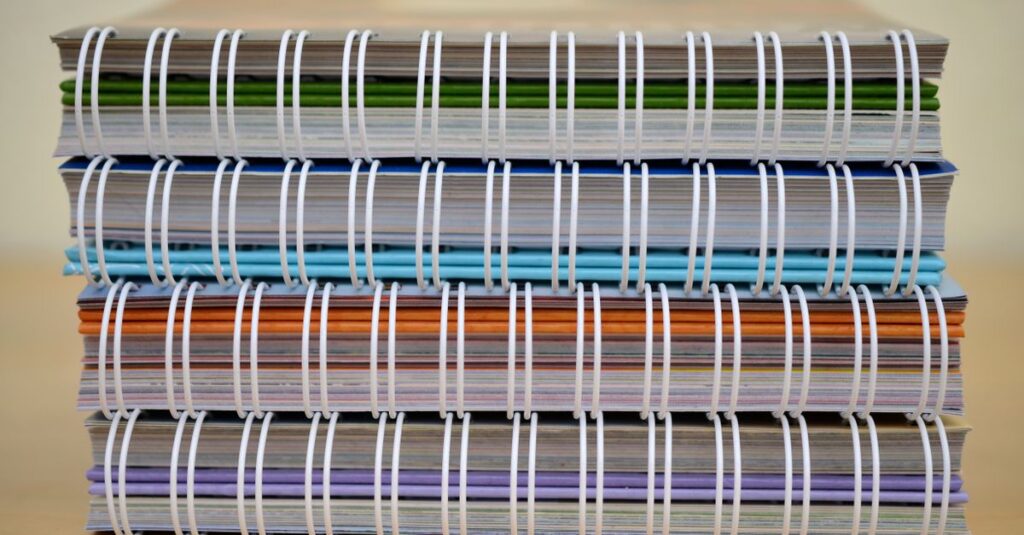
And the binding. Stitched binding is classic, durable, lies flat. Spiral binding lets you fold the book completely back on itself — great for artists or anyone working in tight spaces. Perfect binding (glued spine) gives you that clean, book-like look for corporate diaries. The binding choice decides the notebook’s lifespan.
Real-Life Scenario: Priya’s School Order
Priya, 42, procurement manager for a chain of private schools in Hyderabad. Her desk is a landslide of sample notebooks and quotation printouts. Last year, a supplier sent 5,000 notebooks with paper so thin you could read the next page through it. The parents complained. The principal was furious. This year, she’s comparing GSM numbers, asking for stitching samples, and needs a delivery schedule split across three campuses. She doesn’t just want “copies.” She wants durability, clarity in specs, and a supplier who answers the phone after the order is placed.
See, the thing is, the notebook itself is simple. The logistics and quality behind supplying thousands of them are not.
Bulk Orders vs. Retail Packs: A Different World
Here’s where the conversation shifts. Buying a notebook from a store is one thing. Ordering 50,000 for a district-wide school program or 20,000 custom-branded diaries for a corporate conference is a completely different beast. It’s manufacturing, not retail.
For bulk, the variables multiply. You’re negotiating on paper cost per ton, not per book. The printing setup for a custom cover has a cost — but that cost gets spread thinner over every additional unit you order. That’s why per-notebook pricing drops dramatically with volume. A unit cost that seems high for 100 pieces becomes laughably small for 10,000.
You also have to think in pallets and shipping containers, not in boxes. How many notebooks fit on a pallet? What’s the most efficient carton size to prevent damage in transit? For exports, the paperwork and compliance are a whole other layer. I’ve seen orders get held up at port because of a mismatch in the commercial invoice description. It’s a headache, honestly.
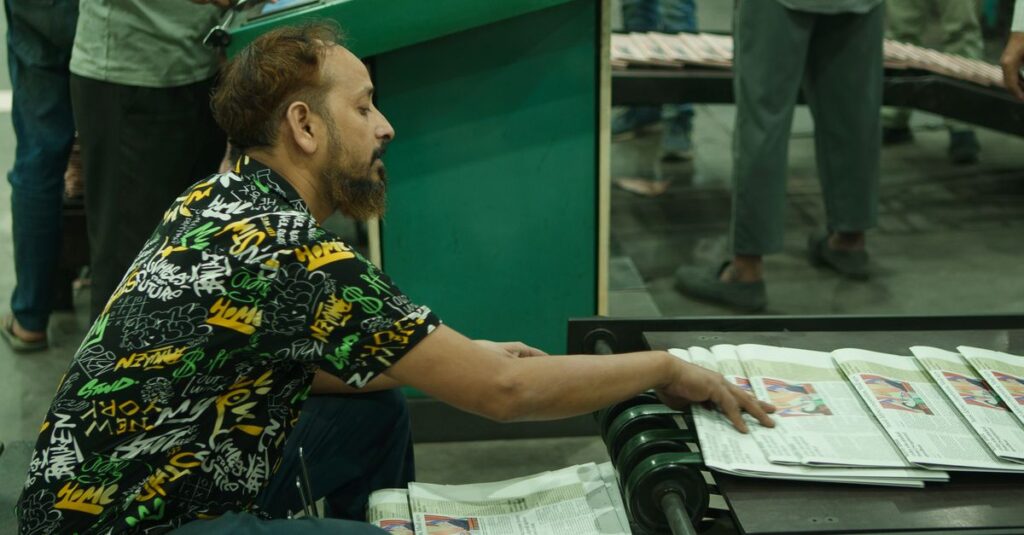
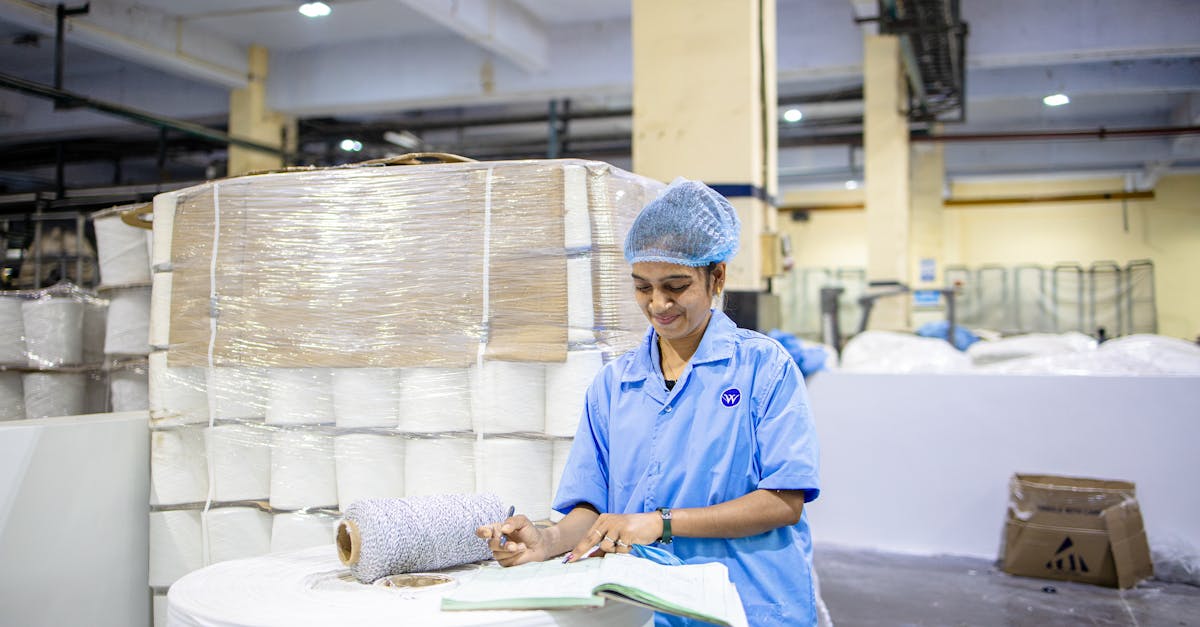
And then there’s the lead time. A factory like ours can run 30-40,000 bound books a day, but that’s when everything is set up. The paper has to be sourced, the printing plates made, the binding line configured. For a massive, custom order, you’re looking at weeks of production, not days. The biggest mistake buyers make? Coming in at the last minute expecting magic. Plan ahead. Seriously.
| Factor | Retail Purchase (1-10 units) | Bulk Manufacturing (1,000+ units) |
|---|---|---|
| Primary Concern | Design, immediate use | Cost per unit, durability, delivery logistics |
| Pricing Model | Fixed retail price | Negotiated based on volume, paper, customisation |
| Customisation | Pre-designed options only | Fully custom covers, logos, page layouts, ruling |
| Lead Time | Immediate | Weeks for production & shipping |
| Key Decision Maker | Individual user | Procurement manager, institutional buyer |
| Quality Focus | Aesthetic, feel | Structural integrity, consistency across batch, longevity |
The Customisation Game: Your Brand, On Every Page
This is probably the most common request we get from corporate buyers. “We want our notebooks, not just a notebook.” And it makes complete sense. A custom-printed notebook is a walking billboard, a piece of brand identity that sits on a desk for months.
But customisation has levels. It can be as simple as a logo stamped on a standard cover. Or it can be a fully bespoke project: unique size, custom watermarked paper, branded headers on every page, a specific colour scheme throughout, even a pocket on the inside back cover. The more custom, the higher the initial setup cost, but the more distinctive the final product.
For schools, customisation often means printing the school’s name, emblem, and maybe a motto on the cover. Sometimes it’s specific ruled formats for different grades. The goal isn’t just branding; it’s creating a sense of unity and institutional pride. A kid’s notebook is a personal thing, but when it has the school crest on it, it ties back to the community.
I was talking to a client last month — a tech startup — and they wanted notebooks for their developers. They didn’t just want their logo; they wanted graph paper (CR – Cross Ruled) inside, because that’s what their team uses for sketching architectures. It’s a small detail, but it shows they get their people. That’s the kind of thinking that makes customisation worth it.
Expert Insight
I was reading an industry report a while back — can’t remember the exact source — but one line stuck with me. It said that in B2B stationery, the shift isn’t towards more paper, but towards more intentional paper. The notebooks that get ordered in bulk now are either the absolute cheapest, most utilitarian option for mass distribution, or they are highly considered, quality tools that reflect the brand ordering them. The middle ground is vanishing. People either want pure function, or they want function and identity. There’s not much room left for the generic, slightly-nicer notebook.
How to Vet a Notebook Manufacturer (Not Just a Supplier)
Look, I’ll be direct. Anyone can call themselves a supplier. A manufacturer is different. Here’s what you should actually ask when you’re spending institutional money.
First, ask to see the factory. Pictures, a video call, whatever. You want to see the binding machines, the paper stacks, the printing presses. A real manufacturer has them. A trader or middleman will give you vague answers.
Second, ask for physical samples of the exact spec you want. Don’t accept a “similar” sample. Test it. Write on it with different pens. Throw it in a bag and shake it around. Try to tear a page out. Does the binding hold? Does the paper feather or bleed? This isn’t being difficult; it’s being thorough.
Third, talk timelines and capacity. “Can you handle 100,000 units in 60 days?” If they hesitate or over-promise instantly, that’s a red flag. A real factory knows its capacity limits. We know that a 200-page notebook takes longer to bind than a 52-page one. It affects the line speed. A good partner will tell you that.
Finally, check their export history if you’re shipping internationally. Do they know their HS codes? Can they handle the shipping logistics, or do they need you to arrange freight? This stuff matters more than a slight price difference per book. A well-managed production and logistics chain is worth paying for.
Wrapping It Up: It’s About the Right Tool
At the end of all this, “copies for notes” isn’t a vague search term. It’s a procurement query. It’s someone, maybe you, looking for the right tool for a specific job: educating students, equipping a workforce, branding an event.
The choice boils down to a few things: getting the physical specs (size, ruling, page count) right, understanding the cost trade-offs of bulk versus custom, and picking a partner who sees the order as the start of a process, not the end of a sales pitch. It’s not romantic. It’s practical. And getting it right means one less thing to worry about for the next academic year or fiscal quarter.
I don’t think there’s one perfect supplier for everyone. But there is a right type of supplier for your specific need. The trick is knowing what questions to ask to find them. If you’re mapping out a big order and the details are starting to swirl, talking to someone who’s been in the factory for 40 years might help clear the fog.
Frequently Asked Questions
What is the difference between a notebook and a “copy”?
In everyday language, especially in institutional buying across India and many export markets, they’re often the same thing. "Copies for notes" typically refers to bound, ruled books used by students and professionals. "Notebook" is the more global, generic term. When ordering in bulk, the important thing is the precise specification, not the name.
What is the standard paper quality (GSM) for bulk school notebooks?
Most standard school notebooks use around 54-60 GSM (grams per square meter) writing paper. It’s a sweet spot: thick enough to prevent major bleed-through from ballpoint pens, but thin enough to keep the book lightweight and cost-effective for mass production. Higher GSM (like 70-80) is used for premium diaries or art books.
Can I get custom logos printed on bulk notebook orders?
Absolutely. This is a core service for bulk manufacturers. You can print your school’s emblem, corporate logo, or event branding on the cover. The process usually involves creating a printing plate for offset printing, which has a one-time setup cost. The more units you order, the lower that setup cost becomes per notebook.
What is the minimum order quantity (MOQ) for custom printed notebooks?
This varies wildly by manufacturer. For a basic logo print on a standard notebook size, some factories might have an MOQ as low as 500 pieces. For fully custom designs, sizes, or paper types, the MOQ can be 1,000 or 2,000 units to make the setup and production run worthwhile. Always ask upfront.
How long does it take to produce and deliver a bulk order of notebooks?
For a standard order of, say, 10,000 notebooks, you should budget 4-6 weeks from finalising the design and paper to finished production. This includes time for plate-making, paper sourcing, printing, binding, and packing. Complex orders or exports need more time. Always build in a buffer for shipping, especially for international orders.