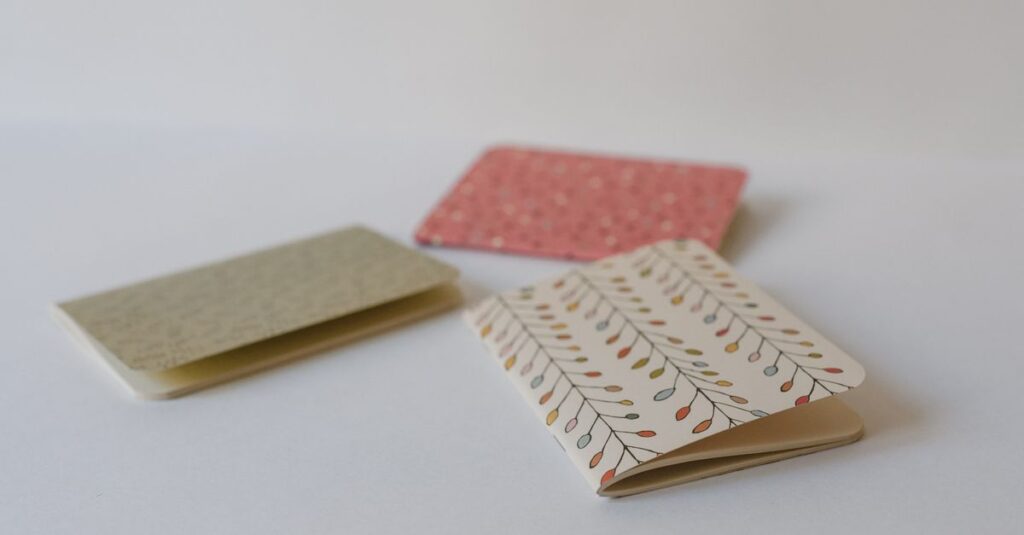
Diaries, Planners, Notebooks: Not Just Stationery.
Three different things show up on a procurement manager’s desk. A diary. A planner. A notebook. They look similar. But the intent behind buying each one is wildly different. The business ordering 500 diaries for employees? They’re thinking about branding, durability, and corporate identity. The school principal ordering 10,000 notebooks? They’re thinking about cost, ruling, and surviving a term. And the person buying a single planner for themselves? They’re thinking about personal productivity, aesthetics, and maybe Instagram. It’s all paper and binding, but the stakes change completely when you’re buying in bulk.
Look, I’ll be direct. When a corporate buyer or a school administrator searches for “diaries & planners,” they’re not searching for a lifestyle accessory. They’re searching for a reliable supplier who can deliver thousands of identical, functional units without drama. The emotional state? It’s stress. It’s the quiet dread of a budget deadline and the fear of receiving substandard goods that will embarrass the institution. If you’re in that position, this might be worth a look.
The Three Faces of Paper: Diary, Planner, Notebook
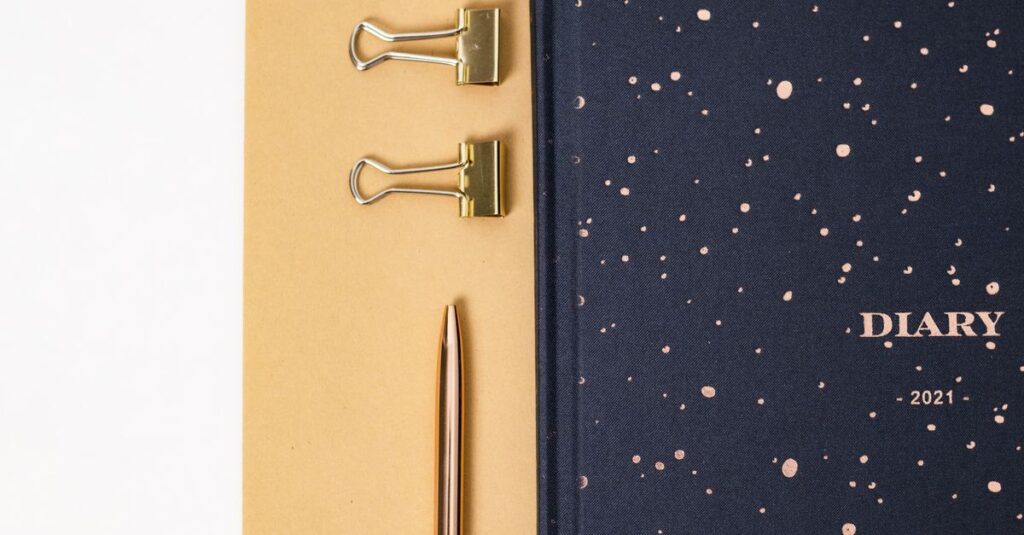
Let’s break it down without the marketing fluff. A diary is, traditionally, a record-keeping tool. It’s dated, often with a full year’s calendar, and meant for logging events or expenses. The paper needs to be decent — 60 GSM or higher — because people might write in it every day. The binding has to survive a year of being opened and closed. Spiral binding is popular, but it snags in bags. Stitched binding is tougher, but it doesn’t lay flat. That’s the first headache.
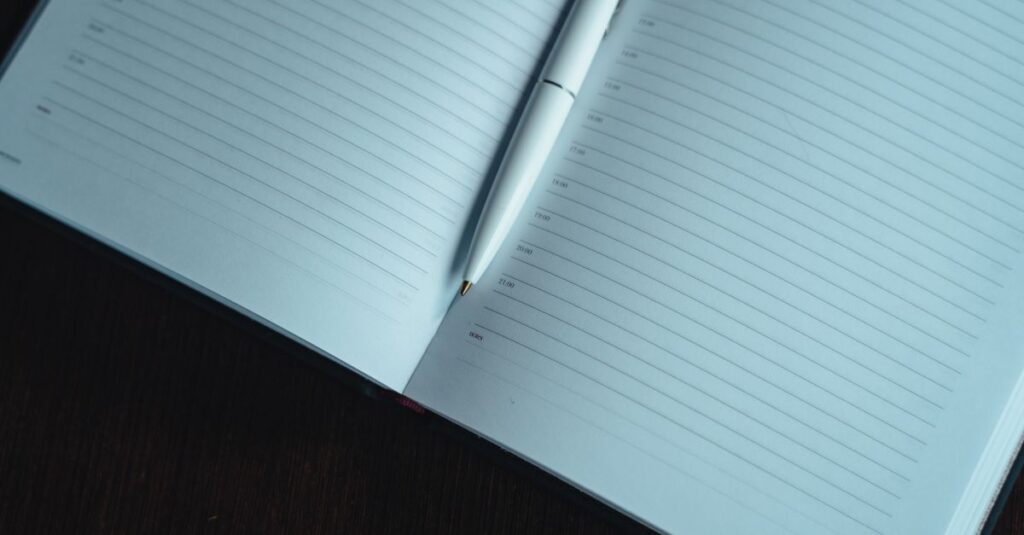
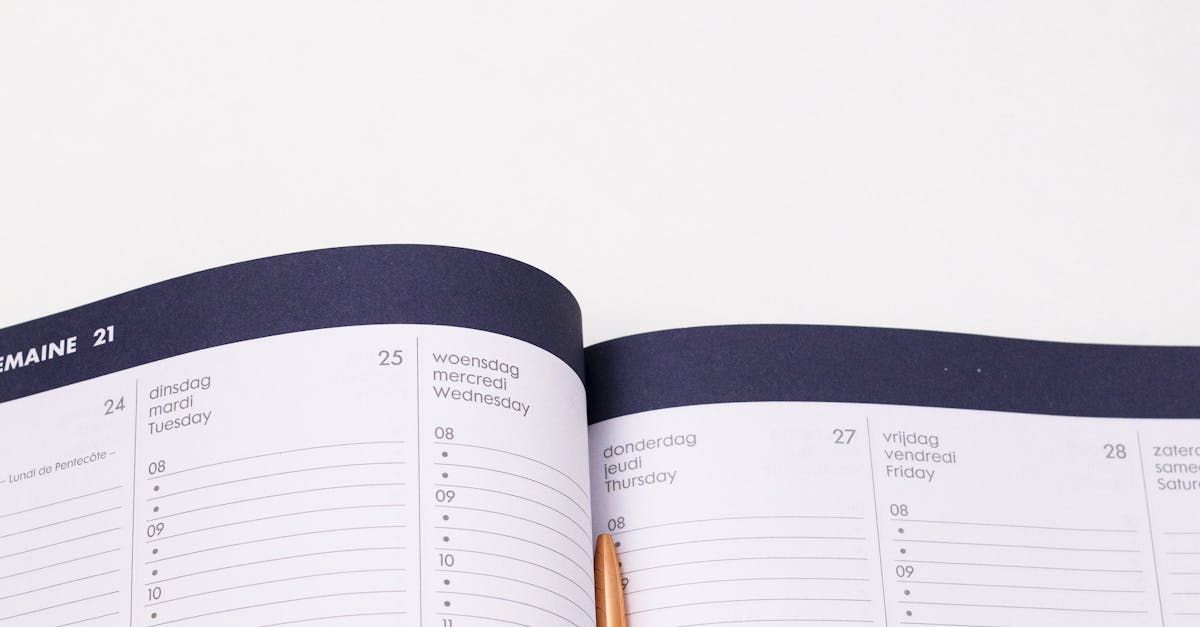
A planner is more structured. It’s about time management. You see weekly layouts, goal-setting pages, maybe priority matrices. The paper quality can be slightly lower if it’s a disposable tool, but the printing clarity for grids and lines is critical. A smudged, misprinted planner page is useless. This is where manufacturing precision matters more than paper weight.
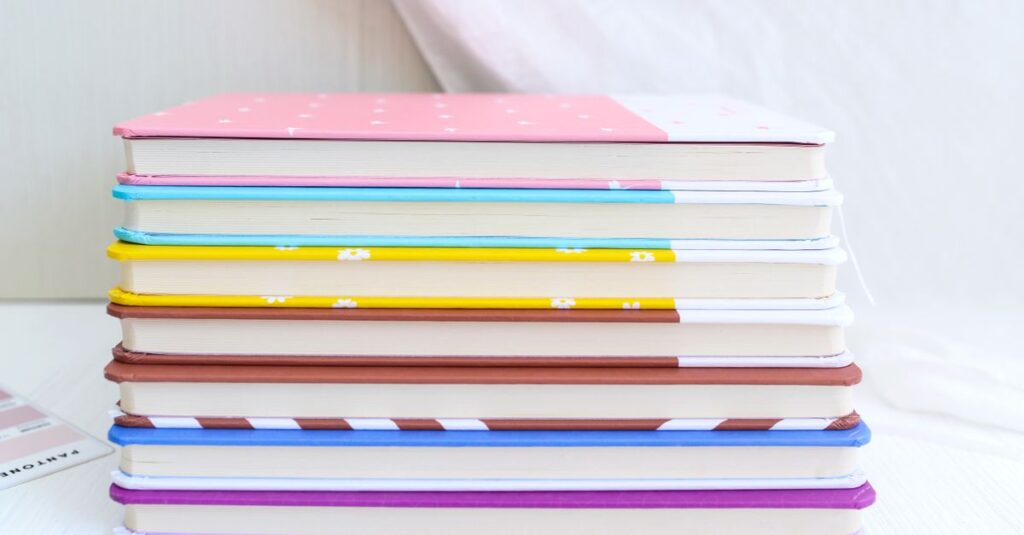
A notebook is the blank canvas. It’s for notes, lessons, sketches, whatever. Schools buy them based on ruling type — single ruled, double ruled, four ruled — and page count. The paper is often lighter, around 54 GSM, because it’s about volume and cost. Durability is about surviving a school bag, not a corporate desk.
Right. So when you’re sourcing, you’re not just buying “stationery.” You’re buying a tool with a specific job. And the job dictates everything — from the GSM of the paper to the type of binding stitch.
What Bulk Buyers Actually Care About (It’s Not What You Think)
I’ve talked to enough procurement managers over the years to know their checklist. It’s not about fancy covers first. It’s about risk mitigation. Here’s what they actually prioritize, in order:
- Consistency: Can you deliver 5,000 units where every single one is exactly the same? No colour variation, no misaligned printing, no binding defects.
- Lead Time: The school term starts in July. The corporate new year starts in January. Your production schedule needs to hit those windows, not just “promise” them.
- Paper Integrity: Will the paper bleed with certain pens? Will it tear easily? This is tested not in a lab, but by a teacher or an employee scribbling in a meeting.
- Binding Survival: Does the spine crack after two months? Do spiral coils pop out? This is the most common failure point.
- Customization Accuracy: Is your logo printed exactly where it should be, in the right colour, every time?
And honestly? The aesthetic stuff — cover design, premium feel — comes after those five boxes are checked. Because a beautiful diary that falls apart is a liability, not a gift.
We once had a client, a mid-sized tech firm in Hyderabad, ordering 800 diaries. Their old supplier had sent diaries where the gold foil logo was peeling off on half the batch. The embarrassment wasn’t just the quality. It was the internal memos about “cost-cutting failures.” That’s the real pressure.
Expert Insight
I was reading an industry report last year — can’t remember the exact source — but one line stuck. It said the shift in bulk stationery isn’t towards “more premium,” but towards “more predictable.” The more automated and standardized a manufacturing process is, the more trust it builds with institutional buyers. That’s the quiet shift. It’s not about fancy finishes. It’s about eliminating variables. Which is, in a way, harder to do.
The Manufacturing Choices That Define Your Order
Okay, let’s get practical. If you’re evaluating a manufacturer for diaries & planners, you need to ask about three things: Paper, Binding, and Printing.
Paper: GSM (grams per square metre) is the weight. Higher GSM feels thicker and more premium, but it costs more. For corporate diaries, 70-80 GSM is common. For school notebooks, 50-60 GSM is the sweet spot for cost and function. But there’s also the finish — smooth, vellum, coated. Smooth is best for writing. Vellum has a slight texture, good for sketching. Coated is for high-quality photo printing on covers.
Binding: Three main types.
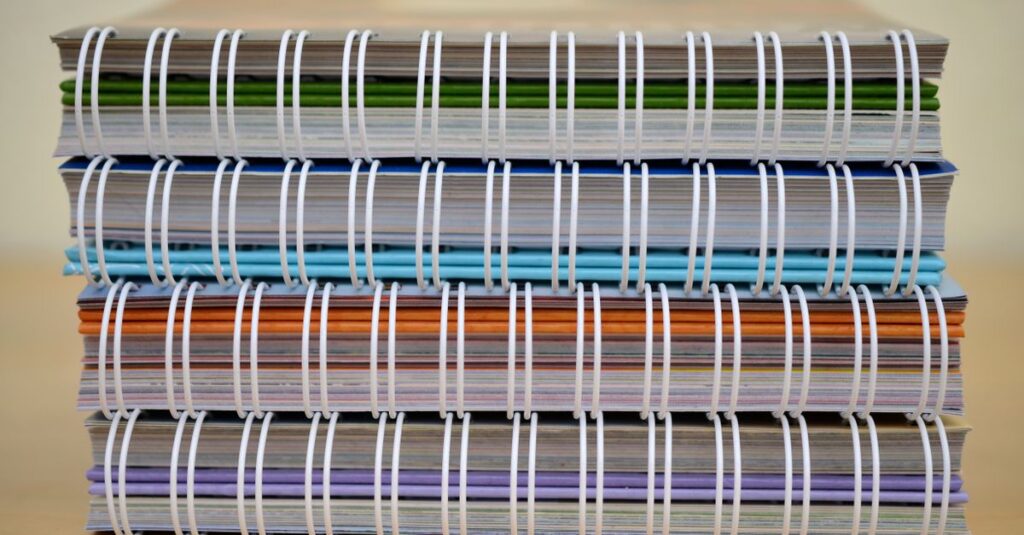
1. Spiral Binding: Metal or plastic coil. Lets the book lay flat completely. Great for planners. But the coils can bend or snag.
2. Perfect Binding: Like a paperback book. Glued spine. Looks clean and professional. But it doesn’t lay flat and can crack if abused.
3. Stitched Binding: Thread-sewn sections. This is the toughest. It’s what we use for most of our school notebooks and heavy-duty diaries. It survives.
The choice here isn’t just about “what looks best.” It’s about how the book will be used. A planner flipped open daily on a desk? Spiral. A diary carried in a bag all year? Stitched.
Printing: Offset printing for bulk, digital for small custom runs. Offset is cheaper per unit for thousands of copies and gives sharp, consistent colour. Digital is flexible for last-minute logo changes or small batches. The problem most buyers face is mismatch — they order offset for a short run and pay too much, or order digital for a huge run and get inconsistent quality.
If you’re sourcing bulk diaries, you’re probably looking at offset. But you need to see samples. Not just one sample. Samples from three different production batches.
Corporate vs. School Bulk Orders: A Different Game
| Consideration | Corporate Diary Order | School Notebook Order |
|---|---|---|
| Primary Driver | Branding & Employee Perception | Cost & Functional Durability |
| Paper Quality Focus | Higher GSM, smoother finish | Lower GSM, bleed-resistant |
| Customization Level | High (logo, colours, cover design) | Low (maybe school crest, ruling type) |
| Binding Priority | Appearance & flat-opening for desk use | Survival against backpack wear & tear |
| Order Rhythm | Annual, tied to financial or calendar year | Term-wise, tied to academic schedule |
| Volume Typical Range | 500 – 5,000 units | 5,000 – 50,000+ units |
| Decision Maker | Procurement Manager / Admin Department | Principal / Administration / Govt. Tender |
The table makes it obvious: you’re dealing with two different species of buyer. One is investing in brand equity. The other is solving a logistical supply problem. Your communication, your samples, your entire proposal needs to speak to that difference. Sending a school principal a glossy, gold-foiled diary sample is wasting everyone’s time.
The Real-Life Cost of a “Small” Mistake
Let me tell you about a micro-story that isn’t a case study. It’s just something that happened.
Anita, 42, procurement manager for a chain of private schools in Chennai. She ordered 15,000 single-ruled notebooks for the upcoming term. The samples were perfect. The delivery came. The ruling was faint — barely visible on about 30% of the books. The teachers complained. The students struggled to write on the lines. She had to negotiate a partial refund, scramble for a backup supplier, and explain the “quality oversight” to her board. The stress wasn’t just financial. It was the feeling that her judgment had failed a simple test. And it all came down to a printing calibration error on the manufacturer’s side — something she couldn’t have spotted in a sample.
The silence after that kind of call is heavy. You don’t just lose an order. You lose trust.
How to Actually Evaluate a Notebook Manufacturer
So, if you’re looking for a reliable supplier for diaries & planners, what do you do? Don’t just look at the website pictures. Do this:
- Ask for batch samples: Request samples from three different production runs, not just one “showpiece.” Check for consistency.
- Visit if possible: A factory visit tells you more than any brochure. See the binding machines, the paper stacks, the quality check points. The chaos or order there is your answer.
- Test the product brutally: Take a sample diary. Open and close it 100 times. Throw it in a bag with other items. Write with different pens. See what fails first.
- Check their raw material source: Where does the paper come from? Is it consistent? Paper sourcing instability is a huge hidden risk.
- Ask about their biggest mistake: Seriously. Ask them what went wrong in a past order and how they fixed it. Their answer — or lack of one — is everything.
This isn’t about finding the cheapest. It’s about finding the most predictable. Because in bulk orders, predictability is the real currency.
And if you’re starting that search, understanding the printing and customization process is the first practical step.
FAQ: What Buyers Ask Before Placing an Order
Frequently Asked Questions
What is the typical lead time for bulk diary orders?
It depends on complexity and volume. For a standard corporate diary order of 1,000 units with custom printing, expect 4-6 weeks from final design approval. For simpler, non-customized school notebooks in larger volumes (10,000+), it can be 3-4 weeks. Always ask for a production schedule breakdown, not just a final date.
How do I choose between spiral and stitched binding for planners?
Think about usage. Spiral binding lets the planner lay completely flat on a desk, which is great for weekly planning. But the coils can bend in transport. Stitched binding (like a book) is more durable for carrying around, but it doesn’t open flat. If it’s a desktop tool, go spiral. If it’s a mobile tool, go stitched.
What paper GSM is best for corporate diaries?
For a feel of quality that impresses, 70 GSM to 80 GSM is standard. It’s thick enough to prevent ink bleed, feels substantial, and lasts a full year of daily use. Lower GSM (like 60) can feel flimsy. Higher GSM (100+) is premium but costs significantly more.
Can we get different ruling types inside the same diary?
Yes, but it complicates production. You can have dated diary pages at the front, blank note pages at the back, or even graph sections. This needs to be planned in the page layout stage and will affect the binding process. It’s possible, but communicate it clearly at the design phase.
What’s the minimum order quantity for custom printed diaries?
Most manufacturers have a MOQ of 500 units for custom printing. Below that, the cost per unit becomes very high because setting up the printing plates and binding line for a unique design has a fixed cost. For non-customized, standard diaries, MOQs can be lower.
Conclusion
At the end, it boils down to two things. First, understanding that a diary, a planner, and a notebook serve different masters — even if they look similar on a shelf. Second, recognizing that bulk buying isn’t about shopping. It’s about supply chain management. Your choice of manufacturer isn’t just a vendor selection; it’s a risk management decision.
The question isn’t whether you need good diaries & planners. You do. It’s whether you’ve found a supplier who understands that your order isn’t just a product, but a part of your operational rhythm — whether that’s a corporate year or a school term.
If you’re weighing those options and need a partner who gets that difference, starting a conversation is the logical next step.