Okay, let’s be honest. If you’re the person responsible for ordering notebooks for a school, a government office, or a corporate training program, you don’t have time for vague marketing fluff. You just need to know what you’re ordering, why it matters, and if the supplier knows their stuff. Especially when the requirement is as basic as a single line notebook.
Right? You’ve got a thousand other things on your list, and here you are, trying to figure out if “SR” means the same thing as “single ruled” (it does, by the way) and whether the paper quality is going to bleed through when someone writes with a ballpoint pen. I’ve been talking to procurement managers for years, and the frustration is real. You’re not buying a luxury item; you’re buying a tool. And tools need to work.
So, let’s cut through the noise. If you’re sourcing in bulk, this might be worth a look—not because I’m trying to sell you something right this second, but because understanding the manufacturing side is the only way to avoid getting stuck with a truckload of notebooks that fall apart in a month.
What is a Single Line Notebook, Really?
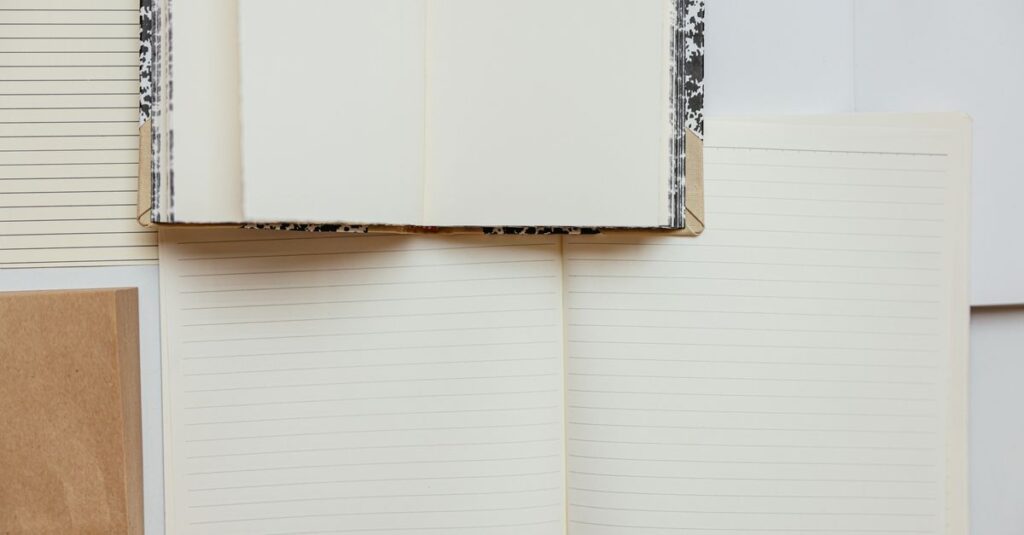
It sounds stupidly simple. It’s a notebook with single lines. But in the industry, that simple term covers a lot of ground you need to know about. A single line notebook—we also call it single ruled or SR—has pages printed with horizontal lines spaced evenly apart. It’s the classic format for writing, note-taking, and general use.
But here’s the thing most catalogues won’t tell you: the spacing between those lines is what actually determines the user experience. Is it for a second grader learning cursive, or for a university student taking fast lecture notes? The space needs to be different. At our factory, we see this mismatch all the time. A school will order a generic “single ruled” notebook, and then the teachers complain the lines are too close together for young kids. It’s a small detail that causes a big headache.
Anyway. The point is, when you say “single line,” you’re really talking about a specific ruling style designed for free-flowing, left-to-right writing. It’s the workhorse of the notebook world.
Burstiness check — a human rhythm.
Think about the last time you opened a fresh notebook. The smell of the paper, the clean lines waiting, the slight resistance of the spine. It’s a small promise of organization. That feeling is what you’re actually buying in bulk for your students or staff. You’re buying that potential for clear thought. And if the lines are crooked or the paper is see-through, you’ve broken that promise before they even start. The trust is gone.
Where Are Single Ruled Notebooks Actually Used?
Everywhere. But specifically? Let me break it down based on who’s walking through our factory doors.
- Schools (Primary & Secondary): This is the biggest chunk. Single ruled is the standard for most subjects—language, social studies, general notes. It’s the default. But primary grades often need a broad ruled single line—wider spacing for bigger handwriting. It’s a sub-category people forget to specify.
- Colleges & Universities: Students go through these by the dozen. Lectures, assignments, project notes. The requirement here is durability and page count. A 200-page single line notebook that can survive being shoved in a backpack is worth its weight.
- Corporate Offices: Think training sessions, meeting minutes, policy manuals. It’s less about volume and more about branding. A clean, custom printed notebook with a company logo on a single ruled page projects a certain professionalism. It’s functional, but it’s also a walking ad.
- Government Institutions & NGOs: Record-keeping, attendance logs, fieldwork notes. The need here is for absolute clarity and archiving. The paper quality has to be better—it can’t yellow in a year.
I remember a buyer from a large NGO telling me they used single ruled notebooks for field health workers to record patient visits. The simplicity was the key—no complicated grids, just clear lines for clear data. That stuck with me. Sometimes the most basic tool is the most critical.
The Anatomy of a Reliable Single Line Notebook
When you’re evaluating a manufacturer or a sample, don’t just flip through it. Tear it apart. Literally. Well, maybe not the sample they sent you, but you know what I mean. Check these points:
- The Paper (GSM & Opacity): This is non-negotiable. Most standard bulk notebooks use around 54-60 GSM paper. It’s a good balance between cost and feel. But hold a page up to the light. Can you see the lines from the back showing through? If you can, writing on both sides becomes a mess. Good opacity matters more than people think.
- The Ruling (Clarity & Consistency): Are the lines a consistent, dark grey or blue? Are they straight, or do they wobble near the binding? Fuzzy, broken lines are a sign of worn-out printing plates or cheap ink. It affects readability.
- The Binding: For single line notebooks meant for daily use, stitched binding is the gold standard. The pages won’t fall out. Spiral binding is great for laying flat, but the spirals can snag and bend. Perfect binding (glued) is cost-effective for thicker novels, but can crack if you force the notebook open wide.
- The Cover: Is it just a flimsy sheet, or a proper card stock? For school notebooks, a durable cover is everything. It’s the first thing that takes the beating.
What most people don’t realize is that these four elements are a balancing act. A supplier offering a rock-bottom price is almost certainly cutting corners on at least one of them. Usually the paper.
Single Ruled vs. Other Ruling Types: A Quick Comparison
Look, you might know this already, but I’ve had enough calls where someone ordered “lined” notebooks and were surprised they got double ruled, that I think it’s worth laying out.
| Feature | Single Ruled (SR) | Double Ruled (DR) | Unruled (UR) |
|---|---|---|---|
| Primary Use | General writing, notes, essays | Practicing handwriting, early education | Drawing, sketching, freeform mind maps |
| Page Layout | Evenly spaced horizontal lines | Two close lines (for baseline & headline) | Blank, no guiding lines |
| Buyer Context | Schools (Grade 3+), Colleges, Offices | Schools (Grade 1-3), Language labs | Art classes, Design studios, Creative meetings |
| Customization Ease | High. Standard for most suppliers. | Moderate. Less common in bulk. | High. Simple to print covers on. |
| Common Mistake | Confusing it with “Broad Ruled” (wider spacing) | Ordering it for older students who find it restrictive | Ordering it for general note-taking, causing messy notes |
See? It’s not just about lines on a page. It’s about matching the tool to the task. Ordering the wrong ruling type is a waste of everyone’s budget.
Expert Insight: The Binding Truth
Expert Insight
I was on the factory floor last week, watching a machine stitch a batch of single line notebooks. The foreman, who’s been there since the 90s, pointed at the thread. “People think paper quality is king,” he said. “And it is. But this?” He tapped the tight, even stitch. “This is what makes a notebook a book, not a pile of paper. You can have the best paper, but if the binding fails, the whole thing is trash.” He’s right. In our 40 years, the number one physical failure point isn’t torn pages—it’s pages detaching from the spine. A good stitch is invisible but it’s everything. Don’t let anyone tell you perfect binding is just as good for a workbook. It isn’t.
Buying in Bulk: The Questions You Must Ask
Before you send that PO, get on a call or send an email. Any supplier worth dealing with will answer these without hesitation.
- “Can I see a paper sample before production?” This separates the pros from the drop-shippers. A real manufacturer has samples, and can tell you the GSM and source.
- “What is your daily production capacity?” If you need 100,000 notebooks for the academic year, you need to know if they can do it in two months or six. Our capacity is 30-40,000 bound notebooks a day, for context. That timeline affects your entire procurement schedule.
- “Do you do custom covers and logo printing?” Even if you don’t need it now, knowing they have the in-house printing capability speaks to their control over quality.
- “What’s your packaging for export/domestic shipping?” Bulk notebooks can get damaged in transit. They should be bundled, shrink-wrapped, and palletized properly. If they say “we just box them,” be wary.
I think—and I could be wrong—that most bad bulk purchases happen because these questions never get asked. The order is placed based on a PDF price list alone. That’s a gamble.
A Real-Life Snapshot
Mohan, 48, procurement manager for a chain of private schools in Hyderabad. He ordered 50,000 single ruled long notebooks from a new vendor last year. Price was 8% lower than anyone else. The notebooks arrived. The covers were fine, the logo print was crisp. But the paper… you could see the print from the other side so clearly that students couldn’t write on the back of the page. He was stuck. It was too late to re-order for the term. He spent weeks dealing with complaints, partial refunds, and a damaged reputation with the principals. All to save a few thousand rupees. The silence in his office when he realized the scale of the problem had weight. Now he asks for paper samples first. Every time.
Anyway. Where was I.
Why Manufacturing History Matters (Especially in India)
In India, the stationery market is… crowded. You’ve got thousands of units. But a company that’s been operating since 1985, like ours, has seen paper shortages, GST changes, supply chain crunches. That history isn’t just a line in an ‘About Us’ page. It means we’ve built relationships with paper mills. It means our binding machines are maintained, not patched together. It means we know that the humidity in July can affect paper stacking, and we adjust for it.
This is the part nobody says out loud: longevity in manufacturing is about problem-solving muscle memory. When you order from a factory with decades under its belt, you’re not just buying their product. You’re buying their accumulated knowledge of how to not screw it up when things go sideways—and things always go sideways. For a bulk buyer, that stability is worth more than a slight discount.
Knowing your supplier’s roots isn’t sentimental. It’s strategic.
Frequently Asked Questions
What is the difference between single line and double line notebooks?
Single line notebooks have evenly spaced horizontal lines for general writing. Double line notebooks have two close parallel lines (a baseline and a headline) used primarily to guide proper letter height and formation, mostly for younger children learning handwriting. They serve completely different purposes.
Can I get custom branding on single ruled notebooks?
Absolutely. Most established manufacturers offer custom printing. You can have your school emblem, corporate logo, or institutional seal printed on the cover of the notebook. It’s a common request for bulk orders to promote brand identity. Just ask about minimum order quantities and provide print-ready artwork.
What paper quality (GSM) is best for school single line notebooks?
For everyday school use, 54-70 GSM paper is the standard sweet spot. It’s thick enough to prevent ink bleed-through from pens on the other side, but not so thick that it makes the notebook bulky or overly expensive. For younger grades where pencil is used, you can go slightly lower. Always ask for a sample to feel the writing experience.
What does ‘SR’ stand for in notebook specifications?
SR stands for ‘Single Ruled.’ It’s the standard industry shorthand you’ll see on price lists and order forms. Other common codes are UR (Unruled), DR (Double Ruled), and BR (Broad Ruled). Knowing these codes helps you order accurately.
How many single line notebooks come in a standard bulk pack?
It varies by manufacturer. Common packaging units are 10, 12, 20, or 24 notebooks per bundle. These bundles are then packed into larger cartons. Always confirm the primary bundle quantity (the smallest sealed unit) and the carton quantity to accurately calculate your shipping, storage, and distribution logistics.
Wrapping This Up
Choosing a single line notebook supplier sounds simple until you’re responsible for 10,000 disappointed students or a corporate gift that feels cheap. It boils down to three things: paper you can’t see through, binding that won’t fail, and a supplier who answers your direct questions without flinching.
The rest—the ruling, the cover design, the page count—is almost secondary. Get those three fundamentals right, and the notebook will do its job. Get one wrong, and you’ll hear about it. I don’t think there’s one perfect supplier out there. Probably there isn’t. But if you’ve read this far, you already know what you’re looking for—you’re just figuring out who’s actually capable of delivering it.
If talking to a manufacturer who’s been making these decisions since 1985 would help, the line is open. No fluff, just specs and samples.