You See The Term Everywhere, But What Is It Really?
Right. So you’re looking at a quote for notebooks, or maybe a product spec sheet, and you see “pads paper”. It’s one of those terms everyone in the business throws around — schools want it, distributors ask for it, corporate procurement managers nod when they hear it. But nobody actually sits down and explains what the hell it means. I get calls all the time where people just say, “We need notebooks with good pads paper.” And I have to ask, “Okay, but what does ‘good’ mean to you?” Because here’s the thing: it’s not a technical standard. It’s a feeling. A user experience. And getting it wrong means a lot of unhappy students or employees.
Think about the last time you wrote on a cheap notebook. The ink bleeds through. The paper feels thin, almost greasy. You press down and the pen just… sinks. That’s the opposite of good pads paper. What people are really asking for is that smooth, consistent, dependable surface that makes writing feel effortless. It’s the difference between a chore and a flow. And when you’re ordering for 5,000 students or an entire corporate office, that difference is everything. If you’re trying to figure out what you’re actually buying, this is where we start.
Pads Paper Isn’t Just Paper. It’s the User Interface.
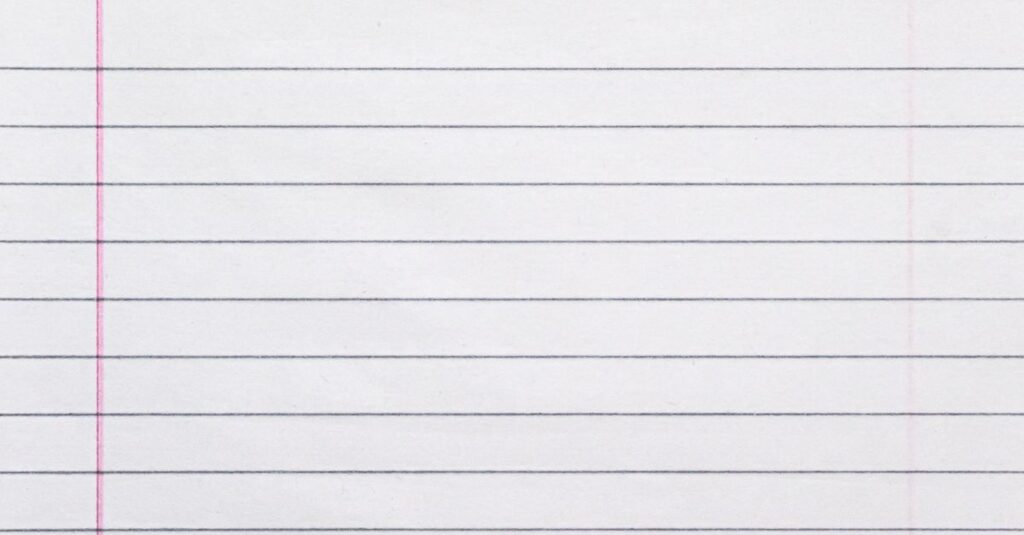
Let me break it down in human terms. In the notebook world, “pads paper” usually refers to the specific writing paper used in scribbling pads, memo pads, and the internal pages of bound notebooks. It’s not the cover. It’s not the binding. It’s the thing you actually interact with. The most common quality you’ll find — and what we use for probably 80% of our standard school and office notebooks — is around 54 to 60 GSM. GSM stands for grams per square meter. Heavier paper feels more premium, but it also costs more and makes the notebook thicker.
Forget the numbers for a second. Think about the job. A student needs to write on both sides without the ink ghosting through. An accountant needs columns of numbers to stay crisp and clear. A manager taking notes in a meeting doesn’t want the pen to catch or skip. Good pads paper balances opacity (so you can’t see through it), smoothness (for the writing feel), and strength (so it doesn’t tear easily). It’s a three-way tug of war. Get it right, and nobody notices the paper — they just get their work done. Get it wrong, and it’s all they talk about.
I was talking to a procurement manager from a college in Hyderabad last month. He said their old supplier sent notebooks where the paper was so thin, teachers could see the math problems from the next page shining through. The kids started using them as tracing paper. Funny, but a total failure for the actual purpose. That’s what we’re trying to avoid.
The Different Flavors of Pads Paper (And Who Needs Which)
Not all writing is the same. So why would all paper be? Here’s a quick, practical guide to matching the paper to the person holding the pen.
- For Schools & Bulk Student Notebooks: You want a robust 54-60 GSM paper. It has to handle pencils, ballpoint pens, and sometimes even those cheap fountain pens without bleeding. Smoothness is key, but it can’t be glossy. Glossy paper makes pencil writing smudge. The focus here is durability and cost-effectiveness. Millions of pages, zero complaints.
- For Corporate Diaries & Office Notebooks: This is where perception matters. A 70-80 GSM paper feels substantial. It has a better “hand feel” — that satisfying weight and texture. It handles rollerball and gel pens beautifully, which professionals tend to use. It says, “This company pays attention to detail.” It’s a small thing that makes a big impression.
- For Custom Printed / Private Label Notebooks: This is your brand’s skin. If you’re putting your logo on it, the paper quality becomes a direct reflection of your brand’s quality. We often advise clients to go a step up here. A better GSM paper also takes printing better — whether it’s a custom header, footer, or logo on each page. The colors are sharper, the lines are cleaner.
- For Scribbling Pads & Memo Pads: Ironically, this is where the term “pads paper” originated. These are the glue-bound or tear-off pads on every desk. The paper can be slightly lighter (50-55 GSM) because it’s for quick, disposable notes. But it still needs to be smooth and non-absorbent. Nobody wants their quick phone message to become a Rorschach test.
Anyway. The point is you can’t have a one-paper-fits-all policy. It’s like serving the same tea to a construction crew and a boardroom meeting. Both might drink it, but only one group is getting what they actually need.
Expert Insight
I remember an old paper mill manager telling me something that stuck. He said, “People think paper is just pulp and water. But the real magic is in the sizing.” He wasn’t talking about dimensions. “Sizing” is the chemical treatment applied to the paper fibers. It’s what makes the paper resist ink absorption, so your words sit on the surface instead of bleeding into a fuzzy mess. A well-sized paper at 54 GSM can often perform better than a cheap, unsized paper at 70 GSM. The takeaway? Don’t just ask for the GSM. Ask if the paper is sized for writing. Most people don’t know to ask that. Now you do.
The Classic Choice: Stitched Notebooks vs. Spiral Pads
This is where the “pads” part gets confusing. A “pad” usually means glue-bound at the top. A “notebook” is usually bound along the side. But the paper inside can be very similar, or completely different. Here’s a quick look at how the binding changes the game for the paper.
| Feature | Traditional Stitched Notebook | Spiral Bound Pad / Notebook |
|---|---|---|
| Paper Style | Sheets are folded into signatures (groups), then stitched. Paper grain runs a certain way for easier page turning. | Single sheets, punched, then bound by a spiral wire. Paper can be any grain direction. |
| Lay-Flat Ability | Good stitched binding lays flat, but the inner margin can be tight. | Lays completely flat, which is a huge win for lefties or anyone drawing across the spread. |
| Paper Perforation | Pages are not meant to be torn out. Removing a page can unravel the whole book. | Often has micro-perforated pages for clean tearing. The pad becomes disposable by design. |
| Durability | Extremely durable. The binding can last for years. This is what we use for most school notebooks. | The spiral wire can get bent, catching on things in a bag. The cover is also more exposed. |
| Best Use Case | Permanent records, student notebooks for a full academic year, corporate diaries meant to be kept. | Project notes, art sketches, meeting minutes you might want to tear out and distribute, temporary work. |
| Our Typical Paper (GSM) | 54-60 GSM for schools, 70+ for corporate. Focus on strength for repeated handling. | 60-80 GSM. Often needs to be slightly stiffer to support the spiral and perforation. |
The paper itself might be from the same mill. But the way it’s cut, folded, and bound dictates its final behavior. A spiral pad needs stiffer paper so it doesn’t curl like a scared shrimp when you tear a page out. A stitched notebook needs more flexible paper so the signatures fold neatly. It’s a small detail in the factory that makes a big difference on the desk. If you’re looking for the right binding for your specific need, seeing the options side-by-side helps.
How to Actually Judge Paper Quality (Without a Lab)
Look, you’re not going to carry a GSM tester to a supplier meeting. But you can be smarter than just flipping through a sample. Here’s what I do — and tell our buyers to do.
First, the see-through test. Hold a printed or written page up to a light or window. Can you clearly read the text from the other side? If yes, the opacity is too low. That’s going to cause ghosting and be annoying to use. Second, the drag test. Take a standard ballpoint pen and draw a quick, firm line. Does the ink flow smoothly, or does the pen tip drag and skip? Skipping means the paper surface is too rough or uneven. Third, the bleed test. Use a medium-tip gel pen (they’re the worst for bleeding) and draw a small circle. Wait ten seconds. Flip the page over. Is there a dark, defined shadow of that circle? If it’s a big blob, the paper is too absorbent.
And here’s the one nobody thinks of: the snap test. Gently hold a corner of the page and give it a little shake. Good paper has a certain crispness, a faint snap or rustle. Flimsy, low-quality paper just flops silently. It sounds silly, but it works. These are practical, real-world tests that tell you more than a spec sheet ever will. Because at the end of the day, you’re not buying grams per square meter. You’re buying a writing experience.
The Biggest Mistake Bulk Buyers Make (And How to Avoid It)
I’ll be direct. The biggest mistake is focusing only on the unit price. It’s tempting. Your job is to get the best deal for 10,000 notebooks. A supplier comes in 5% cheaper. The samples look okay. You sign the order. The problem? Paper quality is the easiest place to cut corners, and those corners don’t show up until the notebooks are in use. A mill might reduce the chemical sizing. They might use a higher percentage of recycled pulp without refining it properly. The paper meets the basic GSM on a scale, but it’s chalky, absorbent, and terrible to write on.
The fallout is brutal. Schools get complaints from parents. Employees grumble about the cheap stationery. That 5% savings gets wiped out by reputational damage and the hidden cost of dissatisfaction. The fix is simple but non-negotiable: Always, always get a physical production sample before finalizing a large order. Not just a book of sample paper. A sample of the actual notebook, with the exact cover, binding, and paper you’ve ordered. Test it. Write in it. Tear a page. Live with it for a day. That sample is your insurance policy. This is probably the most important piece of advice I can give anyone in procurement for this stuff. It saves relationships.
Frequently Asked Questions
Is ‘pads paper’ different from regular notebook paper?
Not really, no. It’s mostly a term of the trade. “Pads paper” typically refers to the uncoated, smooth writing paper used in notepads and notebooks. The key is it’s designed for handwriting, not printing or art. So while it’s the same category of paper, the quality within that category can vary wildly.
What GSM is best for school notebooks?
For most Indian school notebooks, 54-60 GSM is the sweet spot. It’s durable enough for a year of use, affordable for bulk orders, and provides a good surface for both pencils and pens. Going much lighter risks transparency and tearing. Going heavier makes the books bulky and expensive without a real benefit for students.
Can you get custom logos printed on the pads paper itself?
Absolutely. This is a big part of our custom printing service. We can print your logo, header, footer, or even custom ruled patterns on every page of the notebook. The paper needs to be of a certain quality (usually 70 GSM or higher) to hold the print cleanly without bleeding.
Why does paper from some notebooks feel ‘sticky’ to write on?
That sticky, dragging feeling usually means the paper is too porous or has an inconsistent surface coating. The paper fibers are sucking the ink out of your pen too quickly, creating friction. It’s a sign of poor sizing (that chemical treatment I mentioned earlier) or low-quality pulp. Good pads paper should offer minimal, smooth resistance.
We need notebooks for a corporate gift. What paper weight do you recommend?
For corporate gifts or executive diaries, step up to 80-100 GSM paper. The heavier weight feels premium and substantial. It lies flat better and handles any pen type flawlessly. It signals quality from the very first page turn. It’s a small upgrade that makes the entire product feel intentionally high-end.
The Takeaway: It’s About Trust, Not Just Transaction
So, after all this, what is pads paper? It’s the silent partner in every idea, every memo, every solved equation. It’s the part of the notebook that people actually use. And choosing it isn’t about finding the cheapest option; it’s about finding the right partner who won’t cut corners on the thing that matters most.
I don’t think there’s one perfect paper for every situation. Probably there isn’t. But if you’ve read this far, you’re not just looking for a commodity. You’re looking for a solution that won’t let your users down. And that starts with asking better questions than just “What’s the price?” It starts with knowing what to look for. If you’re ready to talk specifics — school orders, corporate branding, anything — that’s a conversation worth having. You can reach out here.