Right. So you need to buy notebooks. Not one, not two, but hundreds. Maybe thousands. And someone just handed you a requirement list that says “page notebooks” and your first thought is… okay, every notebook has pages. What does that even mean?
Here’s the thing — in the notebook business, that phrase means something specific. It’s not just any notebook. It’s a way of talking about the product itself, focusing on what you’re actually getting: the number of writing surfaces you’re paying for and the quality that comes with them. When a school district places a bulk tender or a corporate office orders branded diaries, ‘page notebook’ is the unit of measurement. It’s the core specification. And if you get it wrong, you either waste money on over-spec’d books that kids will destroy, or you under-spec and end up with flimsy paper that bleeds through.
Most people I’ve spoken to in procurement, they know the cost. They know the quantity. But the page part? That’s where the headaches start. If this sounds like your current headache, getting this right from the start can save you a world of hassle. Sometimes, it’s worth seeing what a real manufacturer actually offers to get your bearings.
What a “Page Notebook” Really Means (It’s Not What You Think)
Okay, let’s clear this up first. When a manufacturer like us talks about a 200-page notebook, we’re talking about 200 sides. One leaf of paper equals two pages. This is standard industry talk, but it trips up new buyers all the time. They think page count is the number of sheets. It’s not.
So a 200-page notebook has 100 leaves of paper. A 52-page notebook has 26 leaves. This matters because it dictates thickness, weight, and how long the book will last. A student’s rough notebook for daily practice? 52 pages is plenty. An account book for ledger entries that needs to last a financial year? You’re looking at 320 pages minimum, probably 700.
The real question isn’t how many pages you need. It’s what you’re going to put on them.
The Real-Life Choice: A Micro-Story
I was talking to a procurement manager from a private school in Hyderabad last month — over a very bad video call, the audio kept cutting out. Her name was Anjali. She’s 42, been doing this for a decade. She had a tender for 5,000 notebooks. The teachers wanted 92-page books for all subjects. The budget, approved by the management, was calculated for 52-page books. She was stuck in the middle, trying to explain GSM and page count to people who just wanted ‘good quality’.
“They think more pages means better quality,” she said, rubbing her temple. “They don’t get that a 52-page book with 70 GSM paper will outlast a 92-page book with 40 GSM paper that tears when you erase.” She ended up ordering a sample batch of each, from three different suppliers, just to prove the point. The 52-page books won.
Anyway. The point is, the spec sheet is just the start.
Page Counts & Paper GSM: The Balancing Act Nobody Talks About
This is probably the biggest practical headache. You want a thick, substantial notebook. So you go for the highest page count, right? 320 pages. 700 pages. Feels like good value.
But here’s the catch — to keep the book from becoming a brick and to hit a certain price point, some manufacturers will use thinner paper for higher page counts. You get your 700 pages, but the paper is so thin your pen bleeds through to the other side. It’s useless. The binding might also strain under the weight if it’s not done right.
For most school and office use, the sweet spot is different:
- 52/92 pages: Perfect for single-subject notebooks, short-term projects, or rough work. Lightweight, cost-effective.
- 200/240 pages: The workhorse. Ideal for a standard academic term, a corporate diary for a year, or a general office notebook. Good heft without being cumbersome.
- 320/700 pages: For permanence. Ledgers, master record books, research notes, or premium executive diaries. Here, you must pair high page count with proportionally higher GSM paper (60-70+ GSM) and robust binding like stitching or strong perfect binding.
I think the most common mistake I see is ordering 200-page books when 92 would do, just because it “feels” like a better deal. It’s not, if half the pages go unused. Waste of paper, waste of money, heavier backpacks. Which is… a lot to sit with.
Ruling Types: Matching the Page to the Purpose
The page isn’t blank. What’s printed on it determines its entire function. This is where you move from buying a commodity to buying a tool. Get this wrong and the notebook is actively annoying to use.
Let’s break it down:
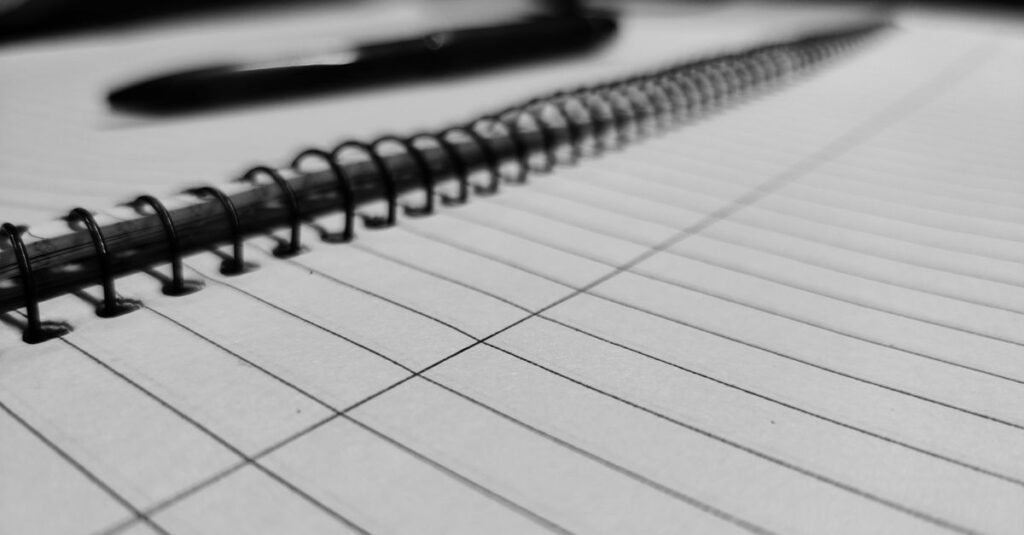
- Single Ruled (SR): The default. For general writing, notes, essays. If you don’t specify, this is what you’ll get.
- Double Ruled (DR): Two close lines. Traditionally for cursive writing practice in schools. Still a huge requirement.
- Four Ruled (FR): Four lines to guide letter height for younger kids learning the alphabet. A primary school staple.
- Unruled (UR): For drawing, diagrams, free-form thinking. Artists, designers, architects.
- Cross Ruled / Graph (CR): Small squares. For math, graphs, charts, engineering sketches. Precision work.
- Center Broad Ruled (CBR): A broad margin on the left. For note-taking where you add comments later, or for subject headings.
I was reading an old order sheet the other day and one line stuck with me. A college librarian ordered 500 unruled notebooks for the art department, but the warehouse sent ruled by mistake. The entire batch was useless. They couldn’t draw on the lines. A simple one-letter code mix-up (UR vs SR) wasted months of budget. I don’t have a cleaner way to put it than that: specificity saves everything.
The Page Notebook Comparison: School vs. Corporate Needs
| Feature | School Notebook (Student Use) | Corporate / Diary Notebook |
|---|---|---|
| Primary Page Count | 52, 92, 200 pages | 200, 240, 320 pages |
| Paper GSM (Weight) | 54-60 GSM (durable for erasing, pencil/pen) | 70-80+ GSM (premium feel, prevents bleed-through) |
| Binding Priority | Durability & Flat Open. Stitched binding can handle rough backpack use. | Aesthetics & Function. Perfect binding for a clean spine, spiral for lay-flat meeting notes. |
| Cover Focus | Thick, laminated card for protection. Bright colors for subject coding. | Premium leatherette, custom embossed logos, professional colors. |
| Customization | School crest, name, standard ruling. High volume, standard layout. | Full private label. Logo on cover and every page, custom header/footer, unique page layouts. |
| End-User Mindset | Tool to be used up, replaced each term. Cost-per-unit is critical. | Brand representation, daily utility for a year. Value and image over lowest cost. |
Look, I’ll be direct. Buying for a school? You’re a cost-center manager. Buying for a corporation? You’re a brand manager. The ‘page notebook’ is the same object, but you’re evaluating it through completely different lenses. Understanding what a manufacturer can actually customize is half the battle won.
How Page Notebooks Are Actually Made (A Glimpse Inside)
You know what I think people get wrong? They think a notebook is just paper glued together. It’s not. It’s a series of decisions made physical.
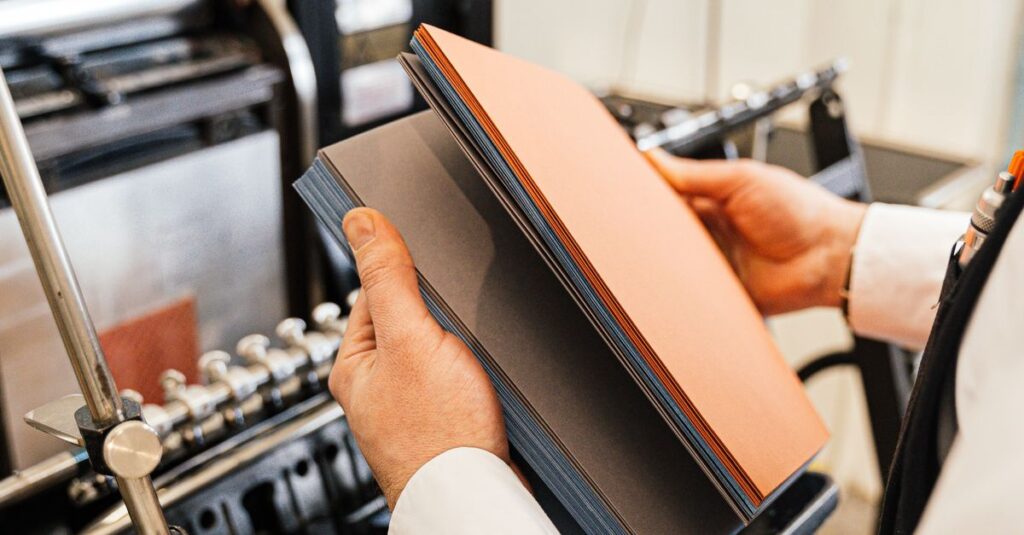
First, the paper reels come in — huge rolls based on the GSM you ordered. They’re cut down into sheets, then those sheets are printed with the ruling. This is where offset printing shines for bulk; crisp, clean lines that don’t smudge. Then the sheets are folded into sections — called signatures. This is where the ‘page count’ gets locked in. Fold a sheet once, you get 4 pages. Fold it another way, you get 8.
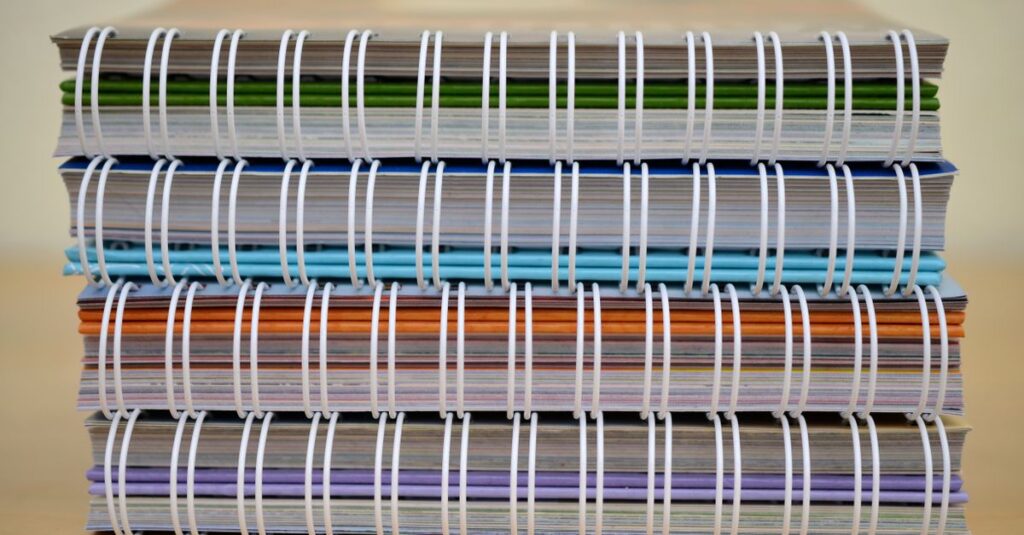
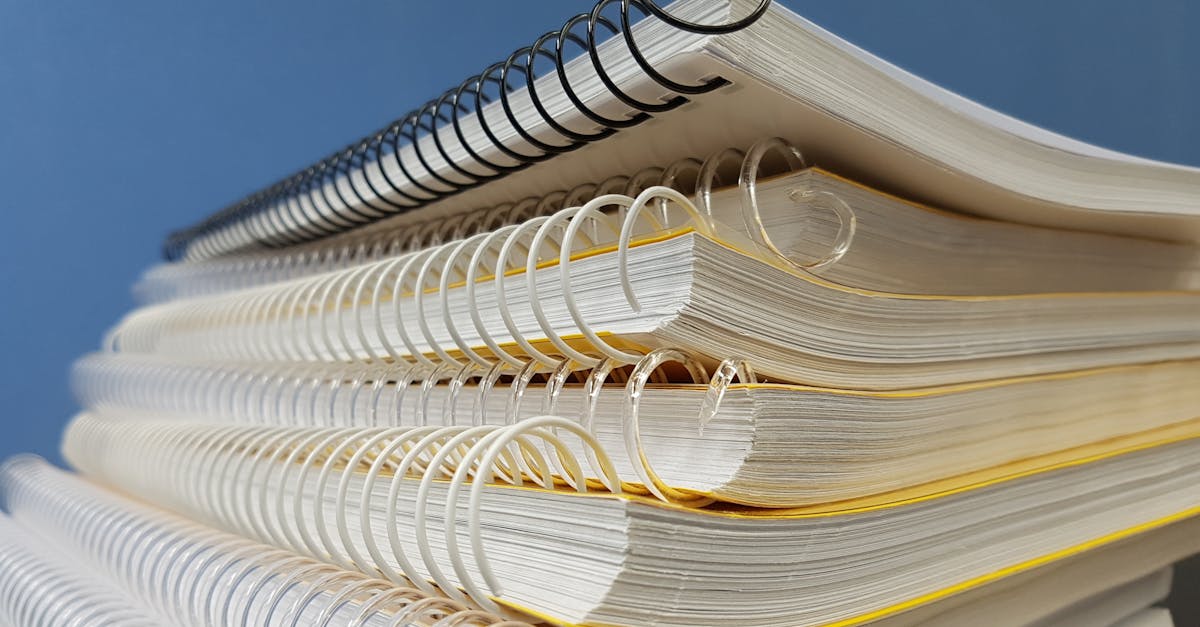
These signatures are gathered, then bound. Stitching is the gold standard for durability — thread going through the fold. Spiral binding is great for laying flat but the coil can snag. Perfect binding uses glue on the spine, it looks clean but needs good glue to last. Finally, the cover gets wrapped on. A laminated card cover for a school book takes seconds. A custom-embossed leatherette cover for a corporate diary might be hand-finished.
The factory floor is loud. It smells like paper and ink and machine oil. And seeing 40,000 notebooks come together in a day, each one identical, it makes you realize this isn’t stationery. It’s precision logistics for ideas.
Frequently Asked Questions
Is a 100-page notebook 100 sheets or 50 sheets?
In standard industry terminology, a 100-page notebook means 100 writing sides, so that’s 50 physical sheets of paper. Always confirm this with your supplier to avoid confusion, especially when comparing prices.
What is the best page count for primary school students?
For younger students (Classes 1-5), 52-page or 92-page notebooks are ideal. They’re lighter, cheaper to replace, and a single book lasts a reasonable time for one subject. The focus should be on good quality 54-60 GSM paper that can handle pencil and eraser without tearing.
Can I get different rulings in the same notebook?
Yes, but it’s a custom job. For example, you could have the first half of a notebook as graph paper and the second half as unruled. This is common for project notebooks or specific professional use. You need to work directly with a manufacturer that offers custom notebook manufacturing services.
What page count is standard for a corporate diary?
A standard one-year corporate desk diary is usually 240 or 320 pages (120-160 leaves). This provides a page per day, plus monthly planners, notes sections, and reference pages. Pocket diaries are smaller, around 192 pages.
How does page count affect shipping costs for bulk orders?
Significantly. More pages mean thicker, heavier books. A 700-page notebook can weigh 3-4 times more than a 92-page one. For international exports or large domestic shipments, this directly impacts freight costs. Optimizing page count for actual need can lead to major logistics savings.
Wrapping This Up
So, a ‘page notebook’. It’s not a type. It’s the heart of the specification. It’s the count, the surface, the foundation. The choice between 52 pages and 320 pages isn’t just about number — it’s a choice about duration, quality perception, and budget allocation.
The key takeaway? Match the page to the task. Don’t over-spec and don’t under-spec. And always, always get physical samples before you order 10,000 units. Feel the paper. Write on it. Try to tear a page. That test tells you more than any spec sheet ever will.
I don’t think there’s one perfect notebook. Probably there isn’t. But if you’ve read this far, you’re not just buying paper — you’re sourcing a tool for work or learning. Getting the page right is the first, and most important, step. If you want to talk specifics for your next order, drop a line. We’ve been making these decisions tangible since 1985.