Look, Let’s Be Real About “Upload and Print”
It sounds so simple, right? You have a PDF — maybe it’s a corporate diary design, a custom workbook, or a branded notebook layout. You need a thousand copies. You go online, find a printing service, upload your file, and… then what? I get this question all the time, usually from a procurement manager who’s been burned before. The file looked fine on screen. The prints came back with margins cut off, colors washed out, or the paper feeling cheap.
The promise of online PDF printing is massive convenience. The reality? It’s a bit more complicated. And honestly? That’s good. Because when you know how it really works, you stop getting bad prints and start getting exactly what you pay for. If you’re ordering hundreds or thousands of notebooks, that’s the only thing that matters here. You can’t afford reprints or unhappy employees with mismatched corporate diaries.
Let’s talk about how this actually plays out for businesses like yours. We’ve been on the manufacturing side of this for decades, and the gap between what you see on your computer and what comes off our binding line is what we bridge every single day.
It’s Not Just a Print Button. It’s a Conversation.
Okay, forget the slick websites for a second. When you upload a PDF for a bulk notebook order, you’re not just sending a file. You’re sending instructions. And nine times out of ten, those instructions are missing a few key details.
Here’s what most people don’t realize: your screen shows color in RGB light. Our giant offset printers lay down ink in CMYK dots. That’s the first translation. Then there’s paper. That crisp white background in your PDF? It’s going to print on actual paper — 54 GSM, 70 GSM, maybe a creamy off-white stock. The color will look different. The feel will be different.
And binding. Ah, binding. If your PDF is a 200-page notebook file, where does the staple go? Or the spiral wire? We need to know. Is page one the cover, or is it the first interior page? These aren’t nitpicks. These are the questions that decide whether your notebook feels professional or falls apart in a week.
I was talking to a school administrator last month — she ordered custom exam pads online. The PDF was perfect. The pads arrived with the school logo cropped right at the edge. She was furious. The problem? She sent a PDF set up for digital viewing, not for physical cutting and binding. The printer just ran it. No conversation.
That’s the hidden step in online printing. The good suppliers? They call you.
A Real-Life Glimpse: How a PDF Becomes a Notebook
Let me walk you through what happens here when an order comes in. Say it’s for 5000 custom-branded corporate diaries.
The file lands. Our prepress team doesn’t just open it and hit print. They check it. Bleed margins (that extra bit of design that gets trimmed off). Color profiles. Page imposition (figuring out how to arrange 240 pages so they fold and stitch in the right order).
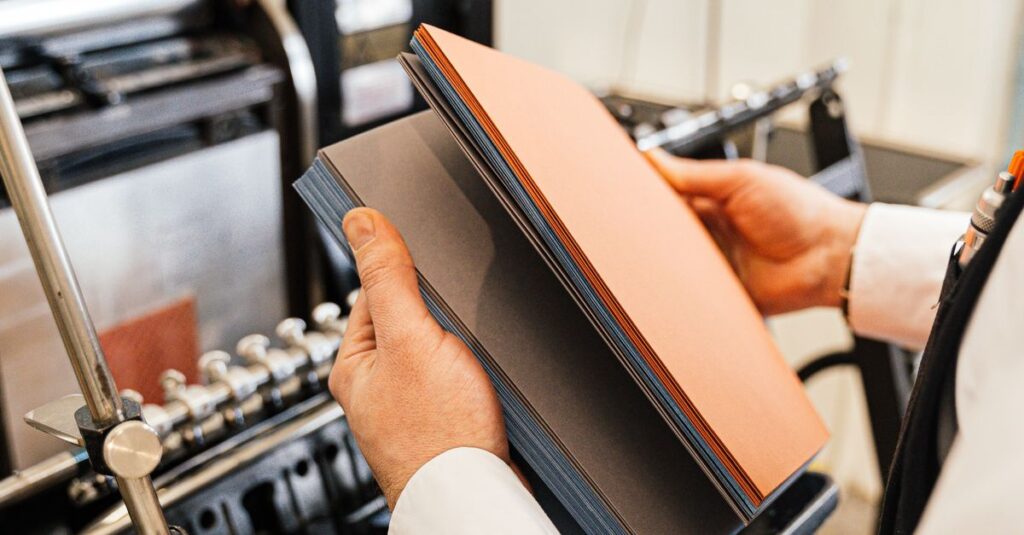
Then we make a proof. Sometimes it’s a digital proof — a PDF for you to check. For big orders, we often run a physical sample. We’ll bind one actual diary, pack it, and courier it. You get to feel the paper weight, test the ruling, see if the gold foil on the logo looks right.
This part is non-negotiable. It saves everyone time, money, and a massive headache. Yet so many online services skip it to be “fast and cheap.” Fast and cheap is great until you’re staring at a pallet of unusable notebooks.
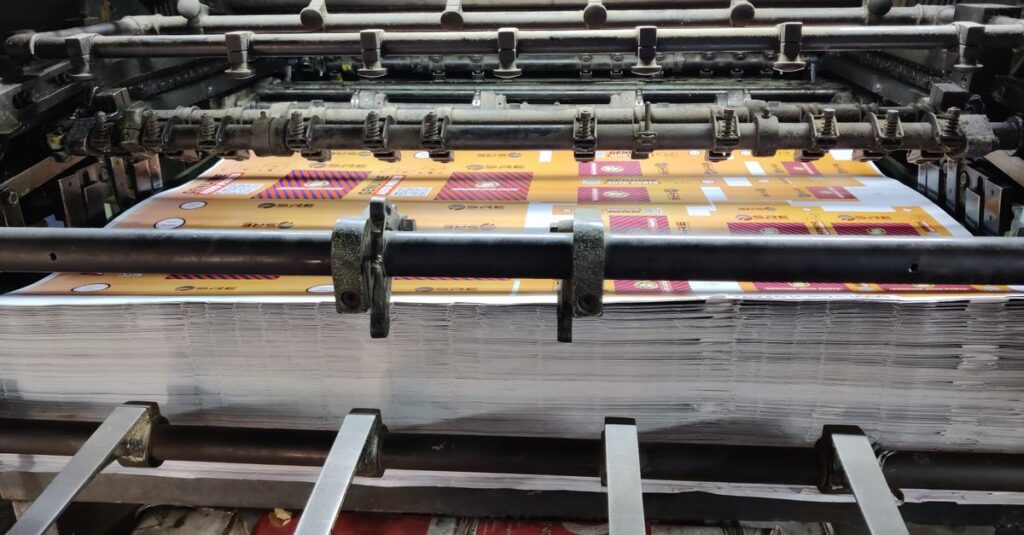
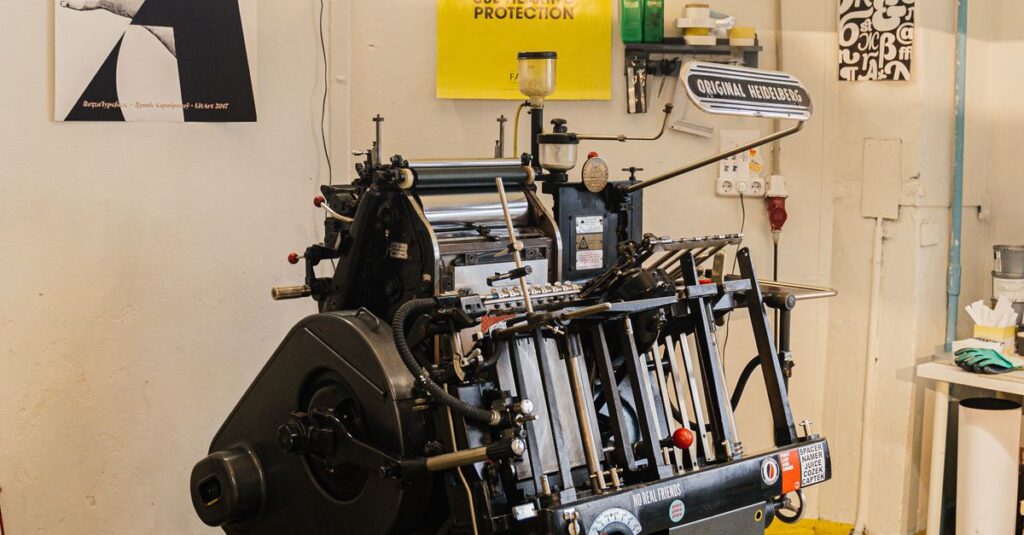
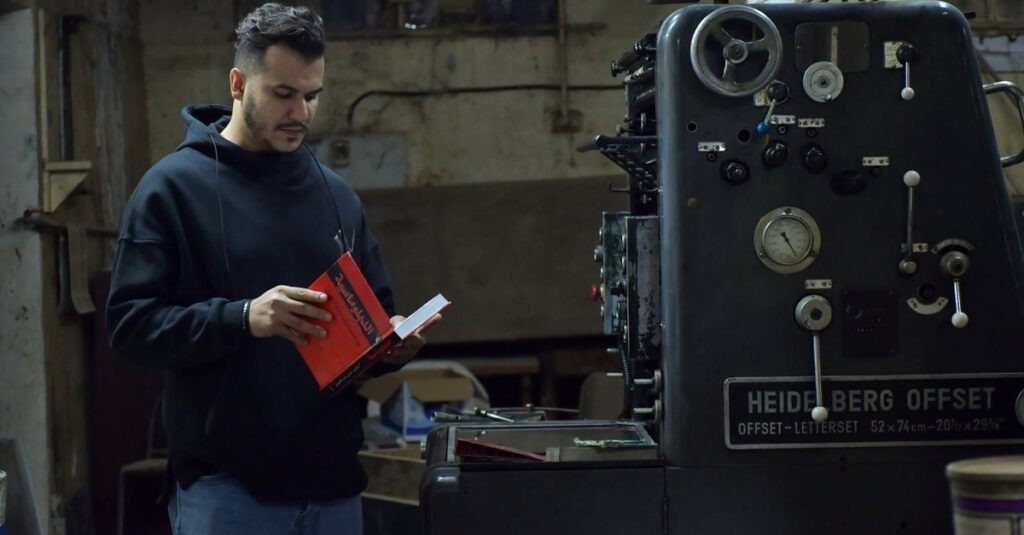
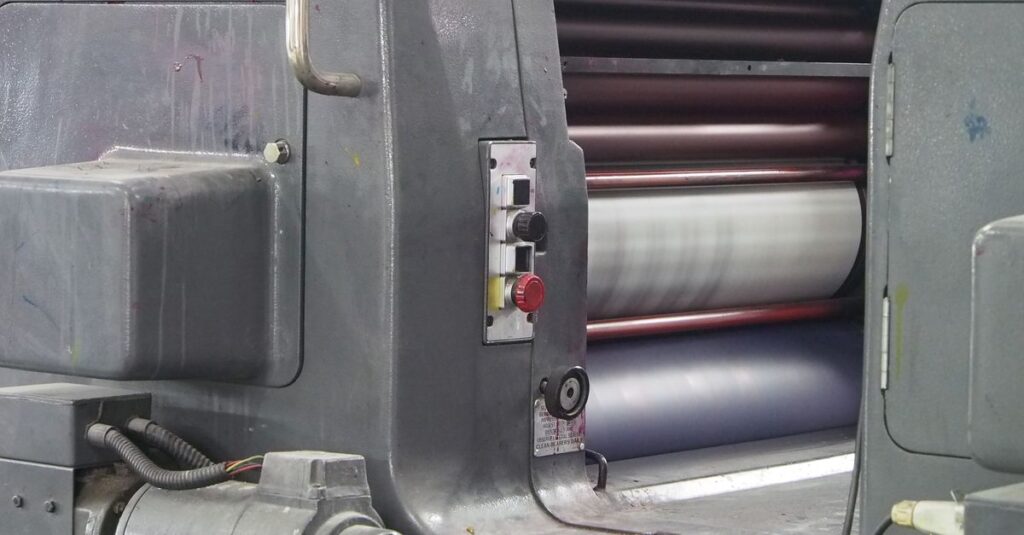
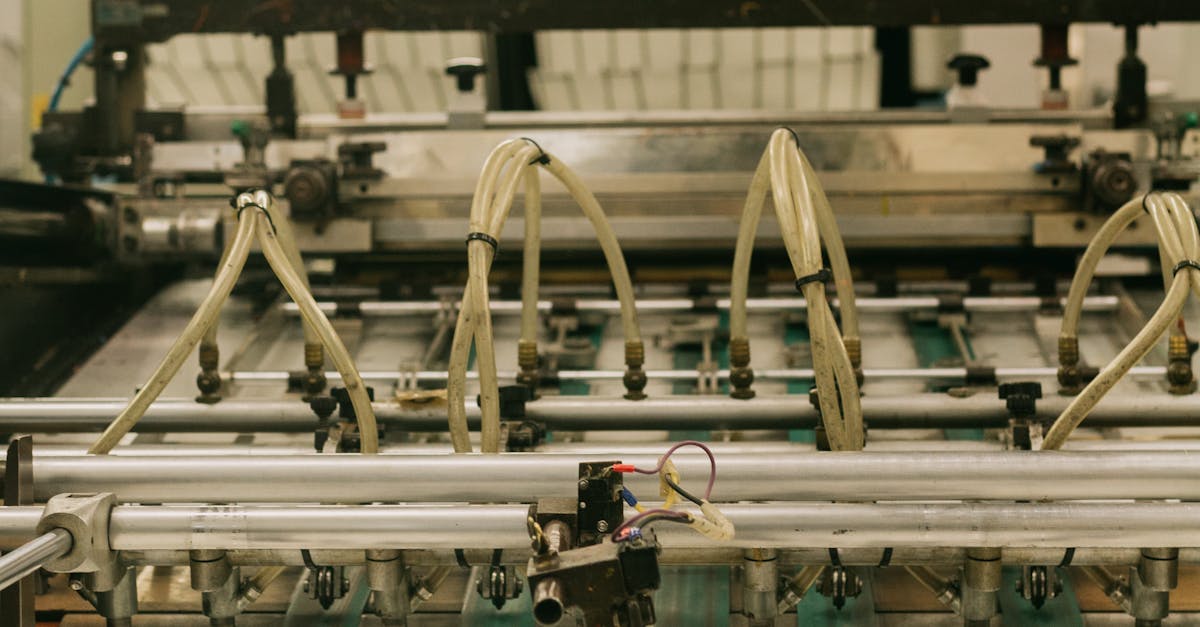
Only after you approve the proof does the machine start humming. The offset plates are made. The paper rolls are loaded. The binding line is set up. That PDF you uploaded is now a physical product, being made at a rate of thousands per day. But it got there through checks and conversations, not magic.
Expert Insight
I was reading a trade magazine piece last year by a bindery technician. He said something that stuck with me — the most common error he sees isn’t in the file. It’s in the assumption. Clients assume the printer will “fix it” or “know what I mean.” But a printer isn’t a mind reader. They’re a machine operator following a spec. If your PDF says “print this,” they print it, flaws and all. The real expertise is in the pre-flight check, the call to clarify, the willingness to say “Hey, this might not come out as you expect.” That’s the service part that gets lost in the purely online transaction. It’s what separates a vendor from a partner.
What You’re Actually Buying (And What to Watch For)
When you’re searching for “PDF printing online,” you’re really shopping for a few key things. Let’s break it down so you know what questions to ask.
First, you’re buying file handling expertise. Can they handle complex PDFs with bleeds, embedded fonts, and spot colors? Or do they just accept basic files? Ask: “Do you check files and provide a proof?” If they say no, walk away.
Second, you’re buying materials knowledge. Your PDF will be printed on something. A good supplier will guide you: “For a workbook that needs to handle pencil and eraser, use 70 GSM paper. For a lightweight memo pad, 54 GSM is fine.” They should explain binding options — perfect binding for a sleek corporate diary, spiral binding for a lab notebook that needs to lay flat, sturdy stitching for a school exercise book.
Third — and this is the big one — you’re buying logistical reliability. Uploading a file is easy. Getting 10,000 notebooks, correctly packed, on a truck, to your distribution center on time is hard. This is where 40 years of doing this shows up. It’s in the planning, the raw material inventory, the quality checks on the line.
Here’s a quick comparison I put together. It shows the difference between a basic online print service and what a manufacturer-focused partner should provide. It’s night and day.
| Consideration | Basic Online Print Service | Manufacturing Partner (Like Us) |
|---|---|---|
| File Check | Automatic upload; may print errors as-is. | Pre-press team reviews, contacts you with questions, provides a proof. |
| Paper & Binding Advice | Limited options; you choose from a menu. | Consultation based on end-use (e.g., “Students will use pen? Let’s use this paper.”). |
| Order Minimums | Often low (50-100 units). | Optimized for bulk (500+ units); better unit economics. |
| Packaging & Delivery | Standard retail packaging. | Bulk, commercial packaging (shrink-wrapped bundles, palletized) for easy distribution. |
| Problem Resolution | Generic customer service ticket. | Direct contact with production manager; focused on solving, not blaming. |
See the difference? One is a transaction. The other is a supply chain solution. For a school district ordering a year’s worth of notebooks, or a corporation rebranding its executive diaries, which would you rather have?
Making It Work For Your Next Bulk Order
So, you’re convinced. You want the reliable, partner approach. How do you set yourself up for success? Three things.
One: Start the conversation early. Don’t finalize your PDF and then shop for a printer. Talk to a potential supplier while you’re still designing. We can give you a template with the correct margins, bleed, and safe zones for your chosen binding. This single step eliminates 80% of problems.
Two: Be specific about the end use. Tell us: “These are for our sales team to carry to client meetings,” or “These are practice books for primary school children.” That dictates everything — paper quality, cover durability, even the ruling inside. Our printing services team lives for these details. It’s how we match the product to the need.
Three: Plan for the proof. Budget a little extra time (and maybe cost) for a physical sample. Hold it. Write in it. Try to tear a page. This is your final chance to catch anything. It’s the best insurance policy you can buy.
Right. This got technical. But that’s the point. Online PDF printing isn’t a black box. It’s a process. And when you understand the process, you get control. You get quality. You stop worrying about what’s going to show up on the loading dock.
Frequently Asked Questions
What file format is best for online notebook printing?
PDF is the gold standard, but it has to be a print-ready PDF. That means high resolution (300 DPI), CMYK color mode (not RGB), and including bleed (usually 3mm extra around edges that gets trimmed). Always embed your fonts or convert text to outlines. A basic PDF exported from Word often isn’t enough. If you’re unsure, just ask your printer for their template — it saves everyone a headache.
Can I print custom ruled pages from a PDF?
Absolutely. This is common for specialized accounting books, music sheets, or project planning notebooks. You design the exact ruling, headers, or layouts in your PDF. The key is consistency across all pages and ensuring the ruling aligns correctly with the binding. For something like center-broad ruled notebooks for younger students, we often help adjust the design so the lines sit perfectly on the page after stitching.
How long does bulk PDF printing for notebooks take?
It’s not just printing time. It’s prepress (1-2 days), proofing/approval (add 3-5 days for a physical sample), actual production (1-3 days for tens of thousands), and then binding, packing, and shipping. For a smooth 10,000-unit order, plan on a 2-3 week timeline from final approved file to delivery. Rush jobs are possible, but they limit the checks that prevent errors.
What’s the minimum order for custom PDF printing?
It varies. For simple digital printing on ready-made notebooks, maybe 100 pieces. For true custom manufacturing — where we’re making the entire notebook from your specs, using your PDF for cover and interiors — the minimum is usually 500 units to make it cost-effective. For schools and corporations, that’s rarely an issue. The per-unit price drops significantly as you go into the thousands.
Who owns the design after printing?
You do. Always. A reputable manufacturer is printing your PDF. We don’t keep the file to reuse or resell. Your logo, your branding, your proprietary content — it’s all yours. The contract should be clear that the printer is simply providing a manufacturing service. This is crucial for corporate identity and private label products.
The Bottom Line Isn’t a Price
Look, I know everyone wants a good deal. But when you’re sourcing materials that represent your brand or serve hundreds of students, the cheapest online quote is usually the most expensive mistake.
The real value in online PDF printing for business isn’t the upload button. It’s the people, the process, and the peace of mind behind it. It’s knowing that your vision in a digital file will become a physical product that works, lasts, and looks exactly as you intended.
I don’t think there’s one perfect way to do this. Every order is different. But if you’ve read this far, you’re not just looking for a printer. You’re looking for a solution. You’re figuring out how to make a complex purchase simple and reliable.
Maybe it’s time to talk to someone who sees it the same way. Start that conversation here.