It’s Everywhere, But What Is It?
Right. Let’s talk about A4. You see it on the printer tray, you order it for the office, you probably sign documents on it every week. It’s the default. The standard. The piece of paper we all use without thinking. But if you’re the one placing an order for 10,000 corporate diaries or notebooks for the entire school district, you need to think about it. Because that default size affects everything. I’ve talked to enough procurement managers and school administrators to know — confusion here costs money and time. And honestly? Most of the confusion is just because nobody explains it without the corporate jargon.
If you’ve ever stared at a product catalog wondering if “A4” is the right choice for your bulk order, this is the part nobody says out loud: it probably is, but you should know why. We see this question all the time, and the answer is simpler than you think.
What is A4, Anyway?
Look, I’ll just say it. A4 isn’t just a random piece of paper. It’s part of a whole system. The ISO 216 standard. (I know, standards talk — stay with me). The system is built on a single, smart idea: each size in the “A” series is half the size of the one before it. An A3 sheet folded in half makes two A4 sheets. An A4 sheet folded in half makes two A5 sheets. It’s beautifully logical. No weird math, no leftover scraps.
The dimensions? Exactly 210 mm by 297 mm. Or 8.27 inches by 11.69 inches. That 11.69 inches is the key. It’s not your standard US Letter size (which is 8.5″ x 11″). That extra bit of height on an A4 sheet matters more than you’d think. It gives you more room for letterheads, forms, or notes in a meeting diary. It’s the international workhorse paper. And in our world — notebook manufacturing — it’s the backbone for so much of what gets produced for offices, schools, and corporate gifts.
Expert Insight
I was reading something last month about global stationery trends, and one line stuck with me. The author pointed out that A4 won not because it was the best possible size, but because it was the most logical one to build a system around. And that’s the thing — when you’re manufacturing in bulk for international clients, that logic is everything. It means your binding machines, your cutting dies, your packaging, everything can be standardized. The cost you save on that standardization? It’s real. I don’t have a cleaner way to put it than that.
Where Do You Actually Use A4 Sheets?
Here’s the thing. You don’t just “use” an A4 sheet. You build things with it. For businesses and institutions ordering from us, it’s the raw material for the tools people use every day. Think about it this way:
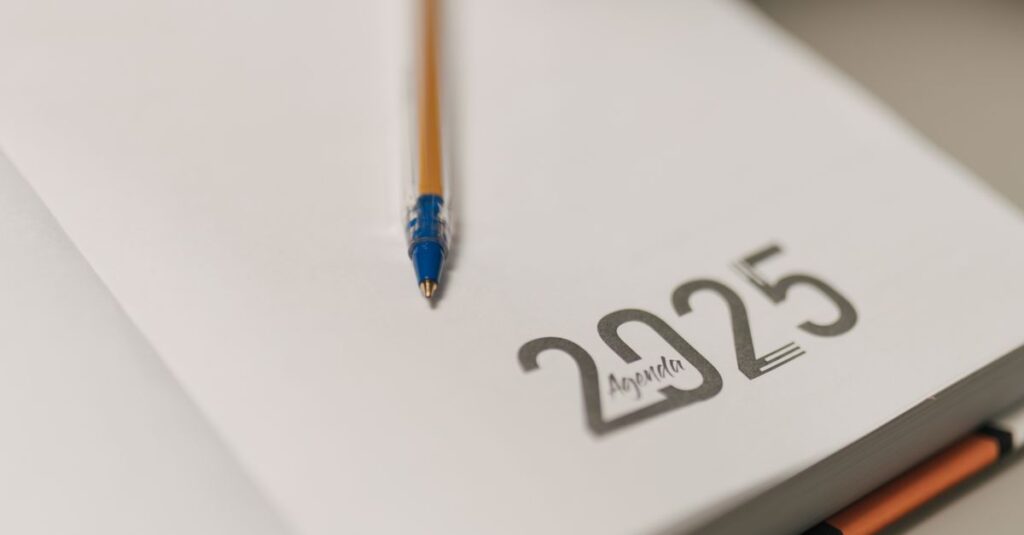
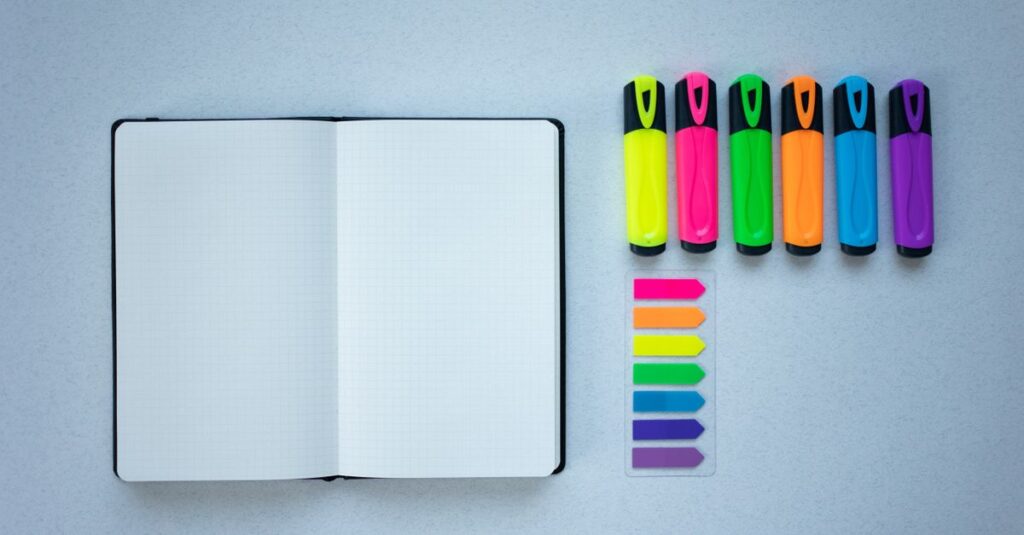
- Corporate Diaries & Planners: This is the big one. An A4 diary lays flat on a desk. It has enough space for a full day’s schedule, notes, and action items without feeling cramped. For a manager or executive, it’s not a notebook; it’s a command center. We print thousands of these every year for companies that give them to employees as New Year gifts.
- Training Manuals & Workbooks: When you’re running a workshop or onboarding new staff, you need handouts. A4 is the perfect canvas for step-by-step guides, diagrams, and spaces for people to write their answers. Spiral binding is popular here because the book stays open.
- Official Record Books & Logs: Think maintenance logs, laboratory notebooks, or official meeting minutes. The slightly taller page allows for more structured rulings — like double-ruled for cash books or specific columns for data entry. It looks professional and leaves no room for ambiguity.
- High-Quality Note-taking Notebooks: For university students, researchers, or architects — anyone whose notes need to be comprehensive. An A4 notebook with good quality paper (we typically use 54 GSM or higher for these) can handle detailed sketches, long formulas, and extensive lecture notes.
I was talking to a procurement manager from a technical college in Hyderabad last week — over a very rushed phone call, actually — and she said something I keep thinking about. She said, “We order A4 graph books and lab notebooks because when a student’s work needs to be assessed or presented, it needs to look like the real thing. Not a scrap.” That’s it. The format communicates the intent.
A4 vs. The Other Guys: A Practical Comparison
Most people get confused between A4 and other common sizes. They see “Letter” or “Legal” or “Foolscap” and the headache begins. Let’s clear it up. This isn’t about which is “better”; it’s about which is right for the job you need done. For a bulk buyer, choosing wrong means material waste, unhappy users, and a product that doesn’t function as it should.
| Feature | A4 Size (ISO 216) | US Letter Size |
|---|---|---|
| Dimensions | 210 x 297 mm (8.27″ x 11.69″) | 215.9 x 279.4 mm (8.5″ x 11″) |
| Primary Use | The global standard. Used for official documents, corporate stationery, academic work, and most commercial printing outside North America. | The standard for everyday business and office documents in the United States, Canada, and Mexico. |
| Bulk Manufacturing Edge | Perfect for international orders. If you’re supplying to the Gulf, Europe, Africa, or Australia, this is what they expect. All our machinery is optimized for it. | Requires separate setups. If you’re only supplying to the North American market, it makes sense. Otherwise, it’s an extra step. |
| Binding & Finishing | Spiral, perfect, and stitched binding all work seamlessly with the A4 aspect ratio. It’s a predictable, stable size to work with. | Also works well, but slight differences in size can sometimes cause misfeeds in binding equipment set for A4. |
| For the End-User | Feels more substantial for formal reports. The extra vertical space is noticeable when you’re writing or reading. | Familiar and compact. Fits perfectly in standard US folders and briefcases. |
The question isn’t which one is superior. It’s this: who is going to use this notebook, and where do they live? Your supply chain should answer that for you. Our printing and binding lines handle both, but I’ll be direct — 80% of our export orders are for A4. That tells you something.
The Manufacturing Reality of A4 Notebooks
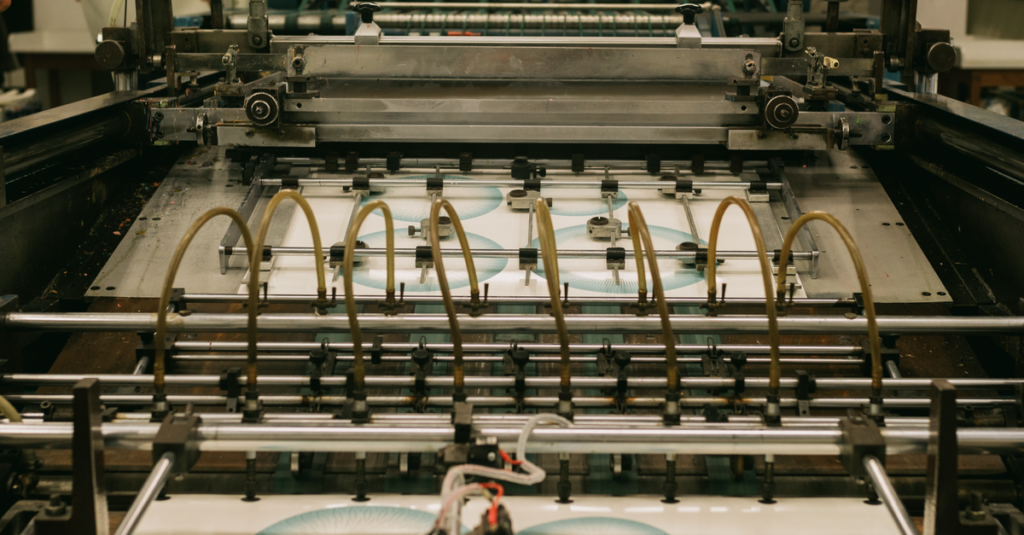
Okay, let’s pull back the curtain a little. What does it actually take to turn a pile of A4 sheets into 40,000 bound notebooks? Because that’s our daily capacity. It starts with the paper reels. Giant rolls of paper, precisely cut down to the A4 dimension on a rotary cutter. This precision is the only thing that matters here — a millimeter off and your binding is messed up, your covers won’t align.
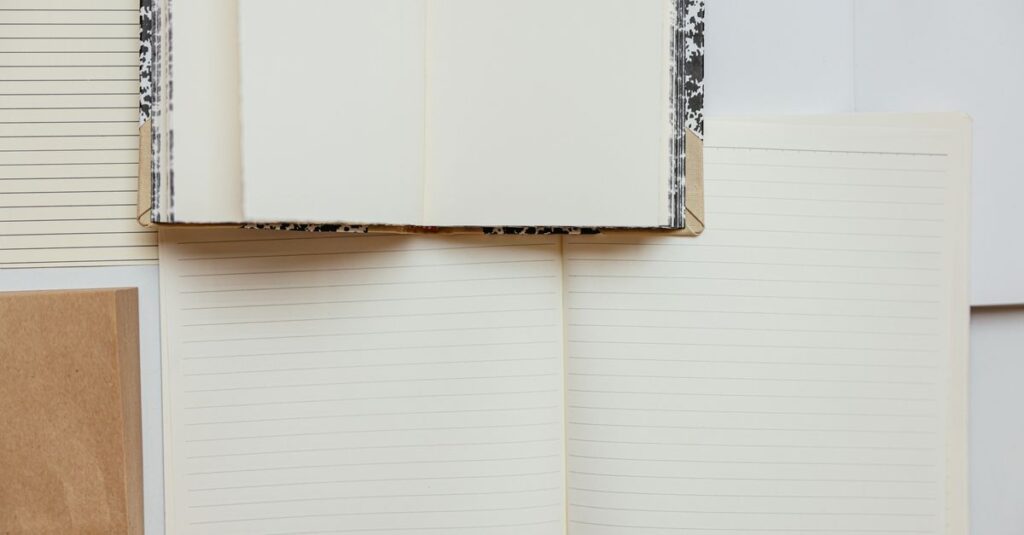
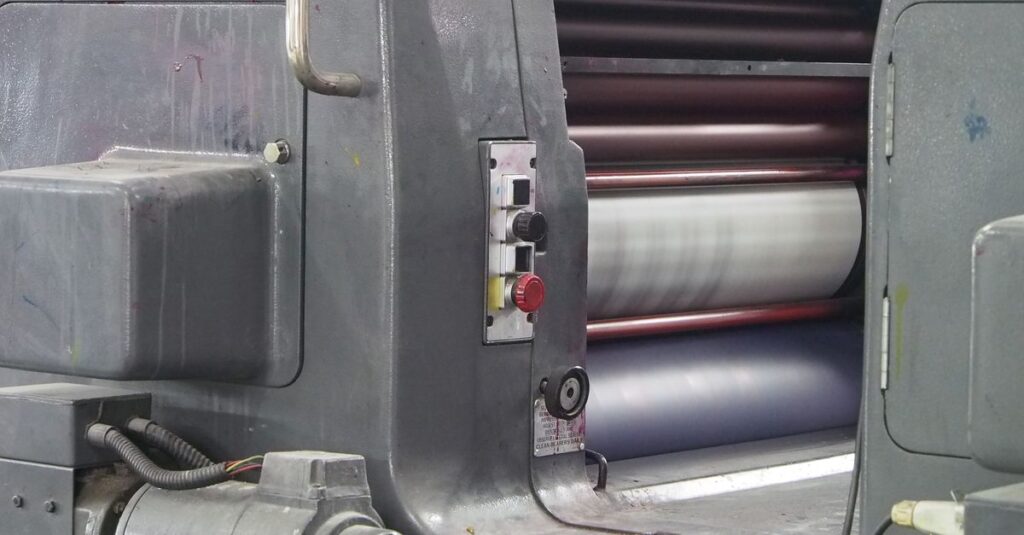
Then comes the ruling. This is where the A4 sheet becomes a notebook page. We run them through offset printers that lay down those faint blue lines — single ruled, double ruled, four-ruled for younger kids, cross-ruled for graphs. The size of the sheet determines the layout. On an A4 page, you can comfortably fit 30 to 35 lines of single-ruled space. On a smaller size, you’d have to shrink the lines or have fewer of them.
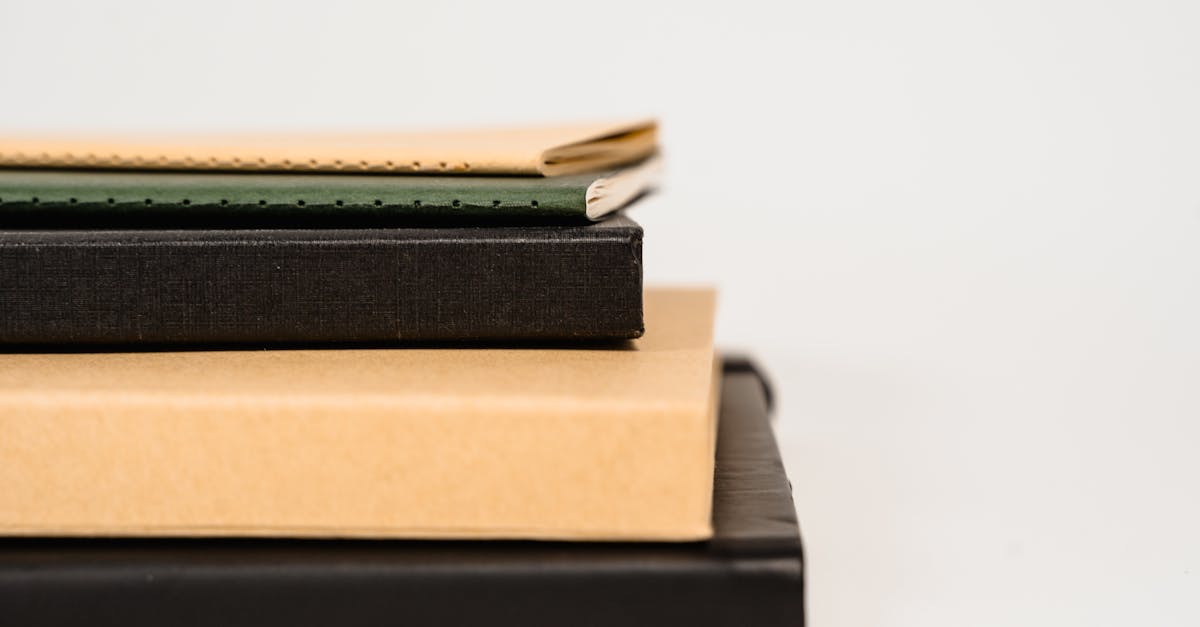
Binding is next. For A4, spiral binding is incredibly popular for corporate diaries and workbooks because it lies completely flat. Perfect binding (like a paperback book) gives a very sleek, professional look for executive notebooks. Stitched binding is the workhorse for school exercise books and account books — it’s durable and cost-effective for massive orders. Each method has its own machine, its own rhythm. Watching an A4 sheet get folded, gathered, stitched, and trimmed into a neat stack of notebooks… there’s a satisfaction to it. A neatness. The system working.
And then the cover. A4 needs a robust cover. It’s a bigger surface area, so it’s more prone to curling or damage if the cover stock is too flimsy. We typically use a thicker board, laminated for durability. This is especially true for products that will live in a briefcase or be shipped across the world. You can’t cut corners here. The cover is the first thing your client sees — it’s the handshake.
For the Bulk Buyer: What to Look For
If you’re reading this, you’re probably not buying one notebook. You’re buying a thousand. Or ten thousand. Your checklist changes. It’s not about the prettiest cover (though that helps). It’s about predictability. Reliability. Here’s what I tell our clients when they’re evaluating A4 notebook suppliers:
- Paper GSM and Opacity: Ask for a sample. Hold an A4 sheet from the notebook up to the light. Can you see the writing on the other side? If you can, the paper is too thin. For A4 notebooks used in offices, 54 GSM is a minimum. For premium diaries, we go to 70 or 80. Thinner paper feels cheap and makes writing on both sides a mess.
- Binding Integrity: Open the notebook to the middle. Lay it flat. Now, really press down on the center fold. Do the pages pull away from the binding? For a heavily used A4 workbook, a weak binding is the single point of failure. Spiral coils should be tight and crimped well. Perfect binding should not crack when flexed.
- Printing Alignment: This is a big one, and most people miss it. Look at the margins on the ruled pages. Are they consistent from page 1 to page 200? On an A4 sheet, misaligned printing means the writing area shifts, which looks sloppy and is frustrating to use. It signals a lack of quality control.
- Customization Clarity: If you’re putting your logo on it, how does it look on that A4 cover? Is it centered? Is the print quality sharp? A blurry logo on a big A4 cover is a terrible advertisement for your brand. A good manufacturer will send you a digital proof and then a physical dummy copy before full production runs.
Three things happen when you ignore this list: you get complaints, you waste your budget, and you have to do it all over again next year. I’ve seen it. Don’t be that person.
Frequently Asked Questions
Is A4 the same as Legal size paper?
No, it’s not. Legal size (8.5″ x 14″) is longer and narrower than an A4 sheet. Legal is used for specific contracts in the US. A4 is shorter and wider, making it the general-purpose standard for business and academia almost everywhere else.
Can I get A4 notebooks with different numbers of pages?
Absolutely. Standard configurations include 92 pages, 200 pages, and 240 pages. For premium corporate diaries, we often bind up to 320 pages. The binding method (spiral vs. stitched) determines how many pages we can reliably hold together without the book falling apart.
Why do schools sometimes prefer smaller notebooks over A4?
Portability and cost. For younger students, an A4 sheet in a notebook can be too large and unwieldy to fit in a small backpack. Smaller notebooks like Crown or Short size are lighter, cheaper to produce, and sufficient for the amount of writing required. It’s a practical choice, not a quality one.
What’s the best binding for a heavy-use A4 office notebook?
For daily, heavy use where the notebook needs to lie flat—like on a desk during meetings—spiral binding (wire-o or plastic coil) is the most durable and user-friendly. For a more formal, book-like feel that will sit on a shelf, perfect binding is sleek but may not open as flat over time.
Do you manufacture A4 notebooks for export markets?
Yes, it’s a core part of our business. We regularly supply bulk A4 notebooks, account books, and custom diaries to the Gulf countries, Africa, Europe, and the USA. The A4 size is the expected standard in most of these markets, so our entire production process is geared to meet those specifications and packaging requirements for safe shipping.
Wrapping It Up
So, A4. It’s not magic. It’s just smart design. A system that works, scaled across the world. For anyone buying stationery in bulk, understanding that system — the size, the paper, the binding — is the difference between ordering a product and ordering a tool that works. A tool that makes your team more efficient, your students more organized, your brand look more professional.
I don’t think there’s one perfect size for every single need. Probably there isn’t. But if you’ve read this far, you already know what your organization needs — you’re just figuring out how to specify it to a manufacturer who gets it. The goal isn’t to just buy paper. It’s to buy a solution. And that starts with knowing the basics, cold. If you’re figuring out an order, sometimes the best thing is to just talk it through with someone who’s been cutting and binding this stuff for forty years.