The Thing Schools Never Tell You About ‘The Best’ Notebook
Right. So you’re probably thinking about a student, maybe your own kid, holding a nice notebook. Smooth paper, crisp cover, maybe a nice elastic band. That’s the retail fantasy.
But I’m going to tell you what ‘best’ actually means when a school principal or a government procurement officer types it into Google at 11 PM. They’re not looking for a fancy gift. They’re trying to solve a math problem: how do I get 5,000 notebooks that won’t fall apart before the term ends, won’t bleed ink, and cost less than a cup of chai per piece?
The emotion isn’t ‘excitement.’ It’s pressure. A deadline. A budget that’s already too tight. If a single notebook fails, it’s not one complaint — it’s a ripple. Teachers get annoyed. Parents call. The whole system feels cheap. That’s the real search. If that’s you right now — and you’re looking for a supplier who gets it — what we’ve learned in 40 years might be worth a look.
Why Durability Beats ‘Pretty’ Every Single Time
Here’s the thing — a student’s bag is a warzone. It gets thrown, squashed, rained on, and used as a makeshift seat. The cover isn’t for aesthetics; it’s armor. The binding isn’t a design choice; it’s structural integrity.
I was talking to a procurement manager from a big CBSE school in Hyderabad last month. Over the phone, actually — his voice was tired. He said they’d switched to a cheaper supplier the previous year. The notebooks looked fine in the box. But by October, half the class had pages falling out. Spiral wires snapping. Covers peeling. ‘The saving,’ he said, ‘cost me ten times more in parent-teacher meeting time.’
Nine times out of ten, the ‘best’ notebook is the one that disappears. The student doesn’t notice it. It just works. Day after day. That’s the goal.
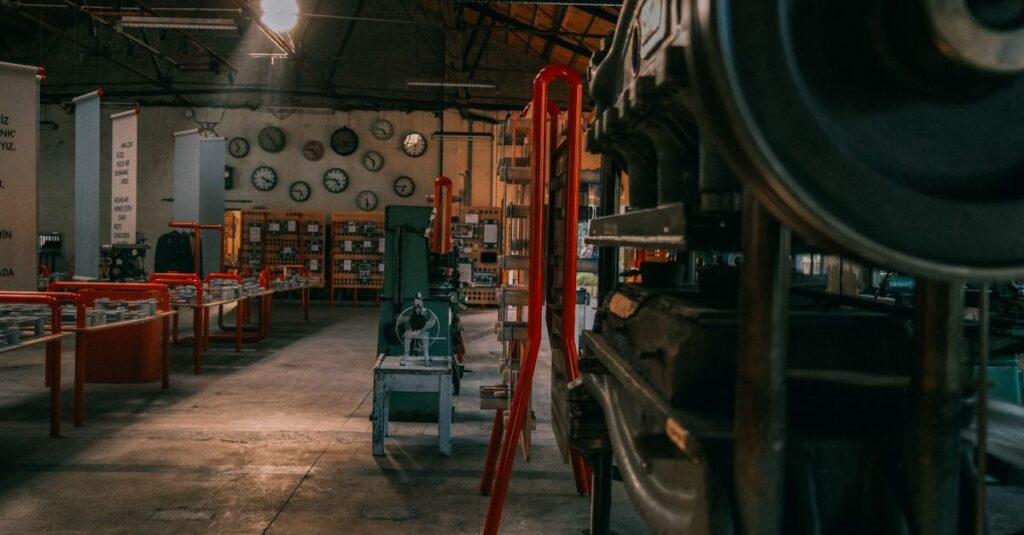
So what does that actually look like on a factory floor?
Expert Insight
I was reading an old production log the other day, from maybe 1998. One line from our head binder stuck with me. He’d written, ‘The test isn’t the first page. It’s the 92nd.’ He meant that anyone can make the first few pages lie flat and write well. The real craft is in the paper grain, the glue, the stitch tension — all the invisible things that make the last page as usable as the first, even after months of being flicked through. I don’t have a cleaner way to put it than that. Most specs don’t even have a column for that.
The Real-Life Checklist: What Schools & Colleges Actually Judge
Forget ‘features.’ Think ‘fail points.’ When we get an enquiry from an institution, their questions are brutally practical. They’re trying to spot the weaknesses before they buy 10,000 units.
- Paper GSM & Opacity: Is it 54 GSM or ‘around’ 54 GSM? Big difference. Can you see the writing from the other side? If yes, it’s useless for both sides of the page — which wastes money instantly.
- Binding Type: Stitched binding is the workhorse for a reason. It lies flat, it’s strong. Spiral binding? Great for art books, terrible if the wire gets bent in a bag — then the whole book won’t close. Perfect binding (glued spine) is cheap, but try opening it fully to copy from the center page. You can’t.
- Ruling Precision: Sounds minor. It’s not. Faint lines? Students can’t see them. Lines that bleed or smudge? Distracts from the work. The margin line must be crisp and consistent from page 1 to 200. If it wanders, it looks sloppy.
- Cover Stock: Is it just thick paper, or is it art card? Does it have a laminate coating? A simple laminate layer is the difference between a notebook that survives a monsoon backpack and one that turns to pulp.
Let me give you a real scene. Priya, 28, a young administrator for a chain of private schools in Vijayawada. Her job is to equip six branches. She’s comparing five supplier quotes on a spreadsheet. She’s not comparing ‘brands.’ She’s comparing risk. One quote is 7% cheaper. But the sample notebook’s cover tears too easily at the corner. She imagines 600 parents seeing that tear on day one. She closes that tab. The cheapest option just became the most expensive.
The question is never just ‘How much?’ It’s ‘How much trouble will this save me?’
The Size Dilemma: King, Long, Short, or Account?
This is where intent matters. A ‘best notebook’ for a 1st grader is not the best for a 10th-grade science student.
Think about the use case. A Short Notebook (19.5 x 15.5 cm) is light, portable. Perfect for little hands, for homework assignments. A Long Notebook (27.2 x 17.1 cm) is the standard. It’s the A4-ish workhorse for most subjects — enough room for diagrams, for math working.
But the real hero for senior students? The Account Notebook (33.9 x 21 cm). It’s massive. Why is it one of the best notebooks for students in college or high-level physics? Because you can fit a full experiment diagram, tables of data, and conclusions on one two-page spread. It thinks in topics, not in pages.
And the ruling? Single ruled for essays. Four ruled (for those multiple lines) for early writing practice. Unruled for diagrams. Cross ruled (graph) for math and engineering. It’s not random. Each type forces a different kind of organization onto the student’s thinking. The best notebook is the one that matches the mental task.
Choosing the right size and ruling is half the battle won.
The Bulk Reality: How ‘Best’ Changes at Scale
Look, I’ll be direct. When you’re ordering 5,000+ notebooks, the game changes. Consistency isn’t a nice-to-have; it’s the only thing that matters. You need every single notebook in that delivery to be identical. Same paper shade. Same staple placement. Same print registration on the cover.
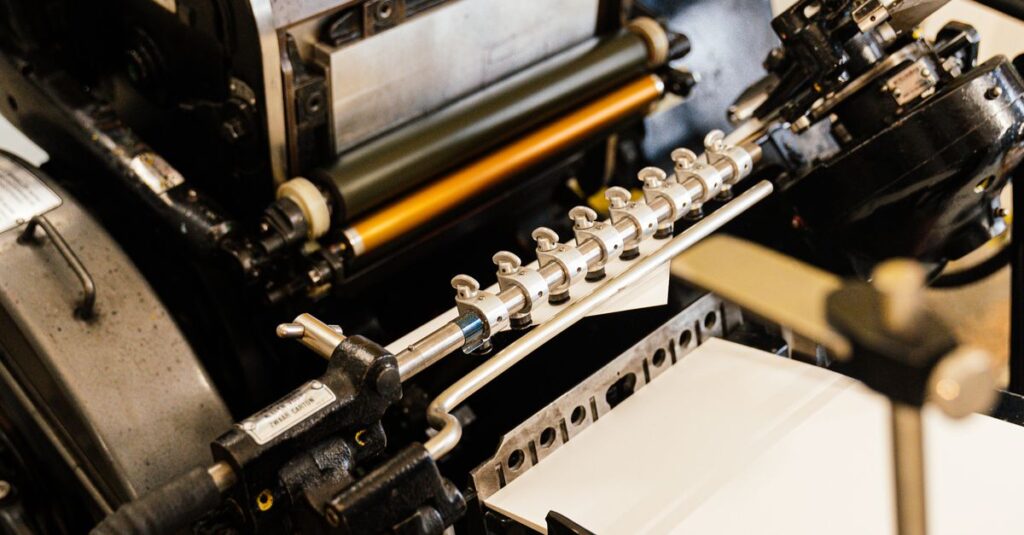
Here’s what most people don’t realize: manufacturing at this scale has its own headaches. Paper comes in massive rolls. If the tension on the machine is off by a hair, the ruling print on one batch is microscopically fainter. The human eye might not see it, but a teacher comparing two students’ books will notice. ‘Why is your line blue and yours black?’
Good bulk manufacturing is about controlling a thousand tiny variables so the end user never has to think about a single one. It’s exhausting. And it’s why a lot of small shops can’t do it — they can make 100 beautiful books. 10,000 identical ones? Different skill.
| Feature | Retail ‘Best’ Notebook (Branded) | Institutional ‘Best’ Notebook (Bulk) |
|---|---|---|
| Primary Focus | Aesthetics, ‘feel’, brand perception | Durability, cost-per-unit, consistency |
| Paper Quality | Often higher GSM (70-80), textured | Optimized GSM (52-60) for writing & cost |
| Binding | Varied (stitch, spiral, hardcover) for appeal | Almost always stitched binding for longevity |
| Customization | Maybe a monogram | School logo, crest, class, subject, codes |
| Packaging | Individual sleeve, boxed | Bundled in 10s or 100s, bulk cartons |
| Cost Driver | Brand markup, marketing | Raw material efficiency, volume logistics |
See? They’re almost different products. One is a personal accessory. The other is an institutional tool.
Customization: The Secret Weapon for Schools
This is probably the biggest practical reason schools work directly with manufacturers. A generic notebook from a wholesaler gets lost. A notebook with the school logo, the student’s name, class, and even the subject printed on it? That creates ownership. Accountability.
It also solves logistical nightmares. Imagine distributing 2,000 identical notebooks to a school and saying ‘You get one for Math, one for Science…’. Chaos. Now imagine each notebook has ‘MATHEMATICS – CLASS IX – B’ printed on the cover. And a space for the student’s name. The teacher just hands out the right stack. Done.
This level of custom printing is what turns a commodity into a tailored solution. It’s not about being flashy. It’s about reducing friction in the system. The ‘best’ notebook helps the system run smoother, not just look nicer.
Anyway. The point is, the search for ‘best’ is really a search for ‘no problems.’ You want the notebook to vanish into the background of learning.
Frequently Asked Questions
What GSM paper is best for student notebooks?
For everyday writing, 54-60 GSM is the sweet spot. It’s opaque enough to prevent show-through, strong enough to handle erasing, but not so thick that it makes the book bulky or expensive. Lighter paper feels flimsy; heavier paper is often overkill and wastes money at scale.
Which binding lasts the longest for school use?
Stitched binding (saddle-stitched) is the most durable for academic use. The threads hold the pages securely to the spine, allowing the book to lie flat and withstand rough handling. Spiral binding can snag and bend. Perfect binding (glued) can crack if forced open fully.
What’s the most cost-effective notebook size for bulk orders?
The Long Notebook (approx. 27×17 cm) is typically the most cost-effective. It’s a standard size that uses paper efficiently during manufacturing, offers ample writing space for most subjects, and is easy to source materials for, keeping the final price per unit lower for large orders.
Can we get different rulings in the same bulk order?
Absolutely. A good manufacturer will run different rulings in the same production batch. A common order is a mix of single-ruled for languages, four-ruled for younger grades, and cross-ruled (graph) for mathematics. You just need to specify the quantities for each type clearly.
What information should we provide for custom printed notebooks?
You’ll need your high-resolution logo/crest, the exact text for the cover (school name, motto), and any standard text for inside pages (like guidelines). Also decide on placement. A good supplier will create a proof for your approval before printing the entire run.
The Uncomfortable Truth About Price
So, the best notebooks for students. I’ve laid out the checklist — the paper, the binding, the size, the print.
But here’s the part nobody likes to say out loud: the absolute best notebook might be just outside your budget. And the second-best, the one that hits 95% of the marks for 70% of the cost, is probably the real winner. It’s about compromise. Not on quality, but on perfection.
The goal isn’t a luxury item. It’s a reliable tool that doesn’t call attention to itself. One that survives the term, keeps the pages in, and lets the student’s work be the only thing that matters.
I don’t think there’s one universal answer here. Probably there isn’t. Your ‘best’ depends on your students’ age, your subjects, your budget, your distribution system. But if you’ve read this far, you already know the real questions to ask — you’re just figuring out which supplier has the honest answers. Talking to someone who’s made millions of them is a solid place to start.