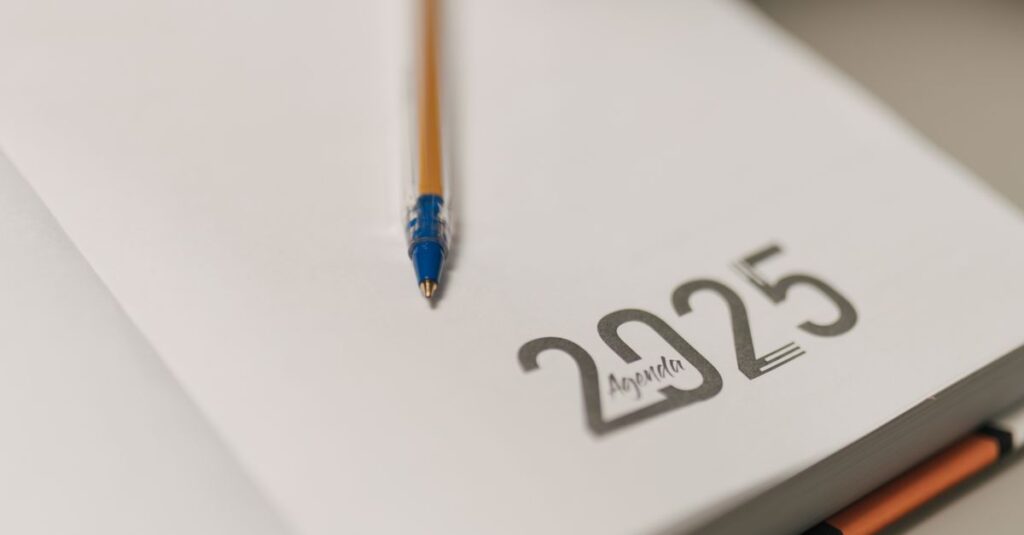
Here’s the thing about planning a 2026 diary order.
You know you have to do it. But by the time you remember, it’s usually late. End of the third quarter. The panic starts. Can you still get your logo printed? Will the quality be there? And — the real question — will it actually get here before your New Year client meeting?
I get it. I’ve been talking to procurement managers for decades now. The same story, year after year. It’s not a huge deal, until it suddenly is. And then it’s all anyone can think about. If you’re responsible for ordering custom notebooks or diaries for your company, school, or institution, this might be worth a look.
Why Ordering a 2026 Diary in 2025 Feels Weird
It feels like buying next winter’s coat in July. Logically, you know it’s smart. Emotionally, it feels disconnected from the reality of today’s to-do list. The brain doesn’t want to plan for a symbol of time it hasn’t even reached yet. So it gets pushed. And pushed.
Three things happen when you push. The price goes up — rush fees are real. The paper quality options shrink — the good stuff gets booked early. And the worst part? Your creative ideas get compromised. You end up with a generic diary that doesn’t actually say anything about your brand, because there’s no time left for thoughtful design. You settle.
I think the mistake is thinking of a corporate diary as just a stationery item. It’s not. It’s a 365-day advertisement. A daily touchpoint. A physical thing on someone’s desk. And if you’re a school or university, it’s a tool for an entire academic year. That’s not something you want to rush.
The Real Manufacturing Timelines Nobody Talks About
Okay, let’s get practical. What does the clock actually look like? I’ll break it down, but first, a real-life snippet.
Real-Life Micro-Story: Rohan, 42, a procurement manager for a mid-sized IT firm in Bangalore, called us in early November last year. He needed 500 custom diaries for their top clients. His voice had that specific tightness people get when they’re trying to sound calm but are actually sweating. The design wasn’t final. He wanted gold foil stamping. We had to tell him the gold foil machine was booked solid through December. We got it done — but it was a scramble, and his team had to compromise on the cover stock. He told me later, “The diaries looked good. But they could have looked *great*.”
Here’s the typical flow, stripped of all the sales fluff:
- Design & Finalization: This takes way longer than you think. Back-and-forth, approvals, legal checks on the calendar. Budget 3-4 weeks. Minimum.
- Paper Sourcing & Pre-press: Once we have your final file, we order the specific paper. If you want 100 GSM premium paper? That’s not always on the shelf. This stage is 1-2 weeks of quiet, invisible work.
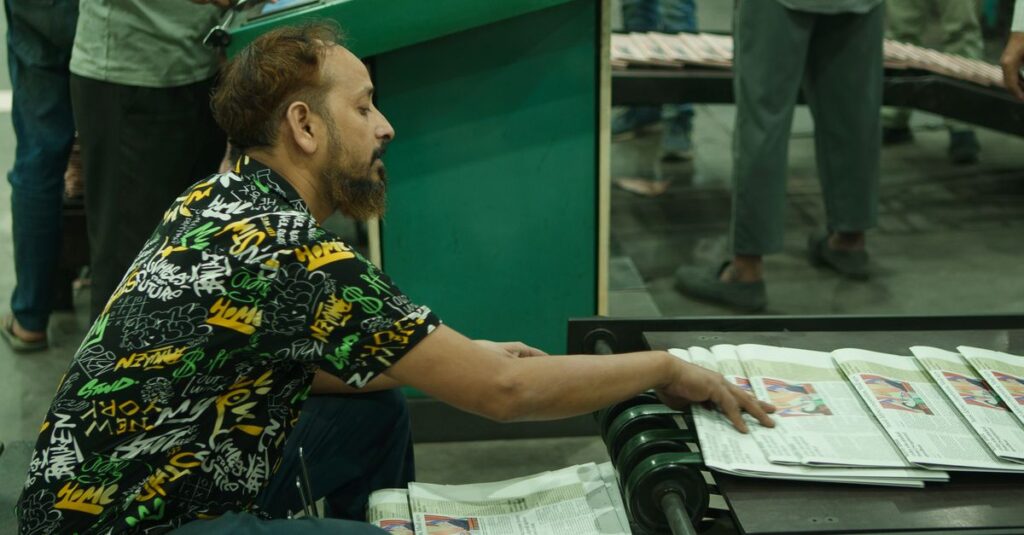
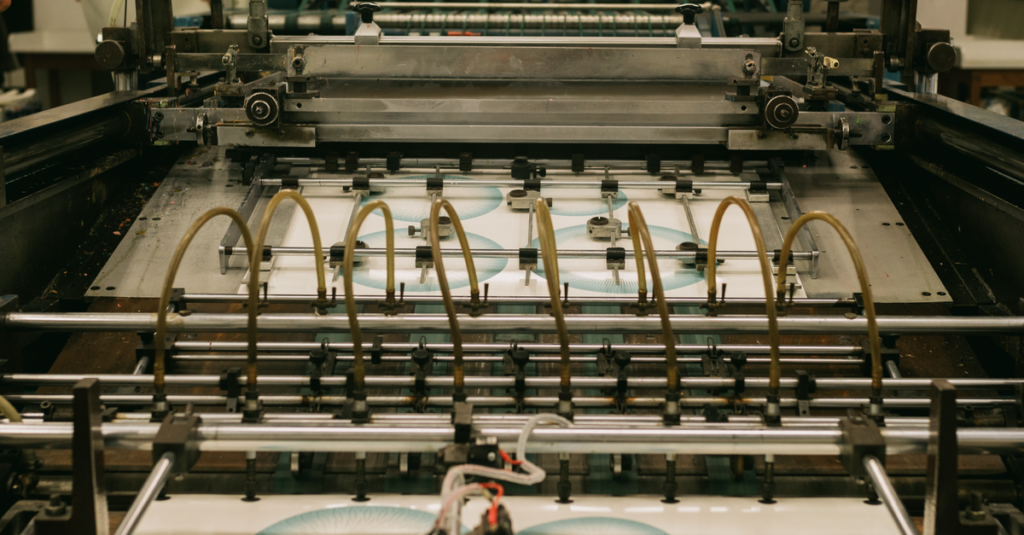
- The Print Run & Binding: The actual production. For a run of 5,000 diaries, with perfect binding and special covers, you’re looking at 10-15 working days.
- Drying, QC, & Packing: Ink needs to dry. Every single diary gets a once-over. Then they’re packed for shipping. Another 5-7 days.
Add it up. From “final sign-off” to “boxes in your warehouse” is a solid 6-8 week process. And that’s if everything goes perfectly. Now overlay that with the end-of-year holiday closures in December. See the problem?
Right.
What You’re Actually Choosing: More Than Just a Date Grid
When you say “2026 diary,” what are you really ordering? It’s a bundle of decisions most people don’t see until they’re deep in a spec sheet.
Expert Insight
I was on the factory floor last month, and one of our bindery guys — he’s been here 20 years — pointed at a stack of diary covers. “People think the year is the product,” he said. “It’s not. The product is the paper that doesn’t bleed, the binding that survives a year in a bag, and the print that doesn’t smudge when you circle a meeting.” He’s right. The 2026 part is just the data. The value is in the physical object you use every day.
So let’s talk about those parts. The stuff that matters.
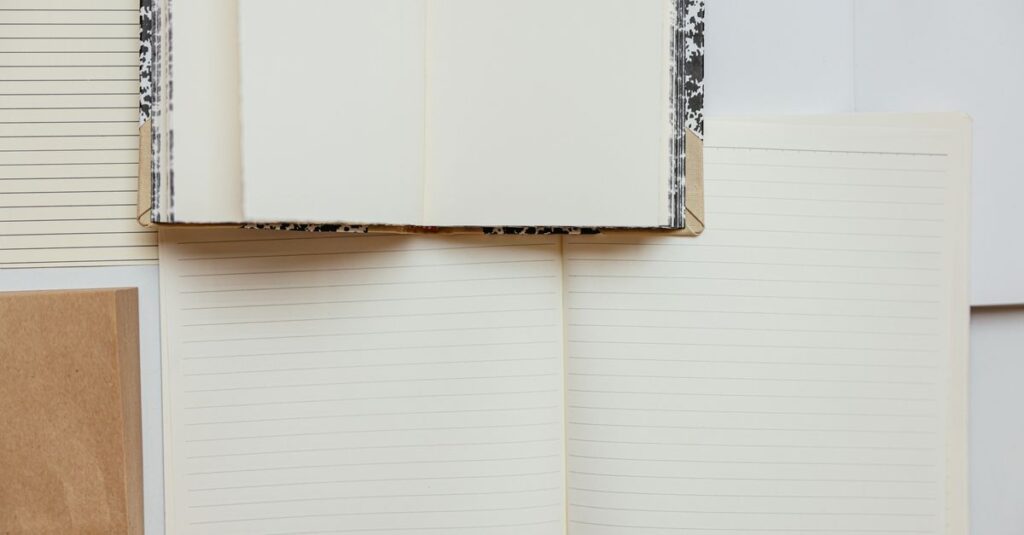
- The Paper: This is 90% of the writing experience. Standard diary paper is around 70-80 GSM. It’s fine. But if you’re giving these to clients, you might want 100 GSM premium paper. It feels substantial. It stops ink from ghosting through to the other side. It makes a sound when you turn the page. That sound matters.
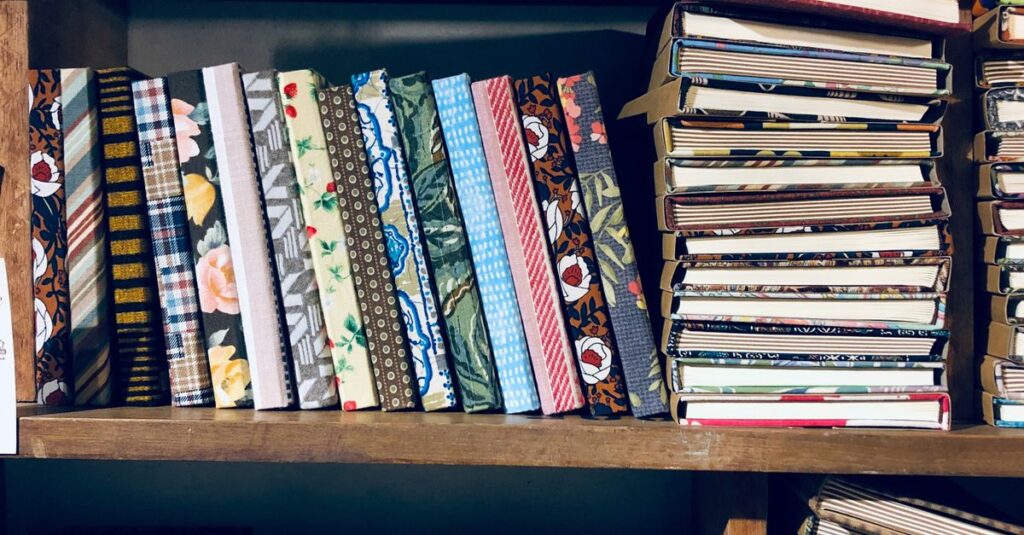
- The Binding: Three main types. Perfect Binding (glued spine, lies flat-ish, classic corporate look). Spiral Binding (metal or plastic coil, lies completely flat, super functional for schools or notetaking). Stitched Binding (sections are sewn together, incredibly durable, premium feel). Your choice here dictates how the diary is used.
- The Cover: It’s the first impression. Soft-touch laminate, textured leatherette, custom embossing, spot UV gloss. This is where your brand lives.
- The Inside: This is the secret sauce. It’s not just the 2026 calendar. It’s the planning pages at the front. The monthly views. The extra pages for contacts, notes, or goals. Is there a ruler? A pen loop? A pocket in the back?
You’re not ordering a calendar. You’re ordering a system.
Corporate vs. Institutional: A Side-by-Side Look
The needs are totally different. A bank giving gifts to clients has a different diary problem than a college principal ordering for 2000 students. Let’s make it obvious.
| Consideration | Corporate / Promotional Diary | Institutional / Academic Diary |
|---|---|---|
| Primary Goal | Brand reinforcement, client gifting, prestige. | Functionality, durability, cost-effectiveness for mass distribution. |
| Cover Focus | High-end finishes: embossing, foil, premium materials. | Durable, wipe-clean materials; clear institutional branding. |
| Internal Content | Minimal branding on pages, clean layout, maybe inspirational quotes. | Academic calendar, exam schedules, rules pages, space for homework tracking. |
| Binding Priority | Lay-flat perfect binding for a sleek, book-like feel. | Rugged spiral or stitched binding to withstand a year in a backpack. |
| Paper Weight | Higher GSM (90-100) for a luxury feel. | Standard GSM (70-80) that can handle pencil and pen without bulk. |
| Volume Sensitivity | Lower volumes (100-5000), high customization. | Very high volumes (1000-50,000+), standardized with minor custom blocks. |
| Key Question | “Does this reflect our brand’s quality?” | “Will this last the entire school year for every student?” |
Earlier I said you’re ordering a system. That’s not quite fair — it’s more that you’re ordering a tool for a specific job. The job is just different.
The Quiet Part: Building a Relationship with a Manufacturer
Look, I’ll be direct. The cheapest quote is almost always a trap. I’ve seen companies go with a random online supplier because the price per unit was 8 rupees less. The diaries arrived late. The color was off. The binding failed by March. Then they’d call us, frantic, asking for a reprint in an impossible timeframe.
It costs more to fix a problem than to get it right the first time. Everyone knows this, but in the pressure of procurement, it gets forgotten.
When you’re evaluating a notebook manufacturer — and you should be starting that process now for 2026 — you’re not just buying a product. You’re buying expertise, reliability, and a line of communication. You want someone who will tell you, “That font is too small for that foil stamp,” or “If we change the grain direction of the paper, the lay-flat will be better.” You want a partner, not just a vendor.
Ask for samples of their previous work. Not just a photo — actual physical samples. Feel the paper. Test the binding. Write in it with your pen. Does the ink feather? That’s how you know.
Anyway. Where was I.
Actionable Steps You Can Take This Week
Don’t let this be another thing on your “I’ll get to it” list. Here’s how to start, and it won’t take more than an hour.
- Define the “Why”: Grab a notepad. Write down: Are these for clients? Employees? Students? What is the single most important thing this diary needs to achieve? (Impress, organize, inform).
- Sketch a Budget Range: Not a fixed number yet. A range. Low end to high end. This gives you room to see what’s possible when you talk to suppliers.
- Collect Inspiration: Find 2-3 diaries you like. From competitors, from other industries. Don’t overthink it. What do you like about them? The size? The color? The feel?
- Reach Out for a Conversation: Send an email to 2-3 manufacturers. Don’t ask for a quote yet — you have no specs. Say: “We’re planning our 2026 corporate diary order. Can we schedule a 15-minute call to understand your process and timelines?” Their response to that email will tell you everything about their customer service.
This isn’t about making a decision today. It’s about starting the clock on your own terms, instead of the calendar’s.
Frequently Asked Questions
What is the best time to place an order for 2026 diaries?
The absolute sweet spot is July to September 2025. This gives you ample time for design, avoids the year-end rush, and secures the best pricing and paper options. Ordering after October means entering the peak production crunch.
Can I get a custom 2026 diary with my company logo and colors?
Absolutely. That’s the whole point of working with a manufacturer like us. Every part can be customized — cover design, logo printing (foil, emboss, deboss), internal page layouts, and even the ruling on the pages. It’s your brand, from the outside in.
What is the minimum order quantity for custom diaries?
It varies, but for a truly custom job (unique size, custom internal pages), most serious manufacturers will have an MOQ around 500 pieces. For simpler logo stamping on a standard diary style, it can sometimes be lower. Always ask.
How do you ensure the diary calendar for 2026 is accurate?
We use verified, standard annual calendar data. For institutional diaries (schools, universities), we work directly with you to incorporate your specific academic calendar, holidays, and exam schedules into the layout. We send a final proof for you to sign off on before printing.
Do you ship 2026 diary orders internationally?
Yes. We regularly export to the Gulf, Africa, the USA, and Europe. We handle the export packaging and documentation. You need to factor in an additional 2-3 weeks for shipping and customs clearance on top of the production timeline.
Wrapping This Up
The main takeaways are pretty simple. One, time is the most important spec. Two, the diary is a physical product with parts you need to understand. And three, the manufacturer you choose is as important as the design you pick.
I don’t think there’s one perfect answer here. Probably there isn’t. But if you’ve read this far, you already know the 2026 diary order is on your horizon — you’re just figuring out how to tackle it without the last-minute panic. That’s a good place to start.
If you want to have that no-pressure conversation about timelines and what’s possible, that’s what we’re here for. You can start the process right here.