So, What Are We Actually Talking About Here?
You hear “book factory” and your mind probably jumps to some massive, mysterious industrial plant. Maybe conveyor belts, giant machines, and a faint smell of glue and paper in the air. You’re not wrong. But here’s the thing — that term covers a lot more ground than you’d think. For someone like a school procurement manager or a corporate buyer, a book factory isn’t just a building. It’s the answer to a very specific, very practical headache: getting thousands of identical, reliable notebooks into the hands of students or employees, on time, and without your budget exploding.
And honestly? Most people have no idea how the notebooks they order actually come to exist. You see the final product, but you don’t see the years of understanding paper grain, binding tension, and print registration that go into making a stack of 5,000 diaries look and feel exactly the same. I was talking to a client from a government institution last month — over the phone, actually — and he said the biggest problem isn’t finding a manufacturer. It’s finding one that doesn’t treat his 10,000-unit order like a one-off novelty. That’s the real gap. That’s what a proper book factory solves.
If you’re in the market for bulk notebooks or custom printed stationery, understanding this world is the only thing that matters here. It saves you money, time, and a massive amount of stress.
From Paper Reams to Packed Boxes: The Factory Floor
Let’s pull back the curtain. A modern notebook factory isn’t magic. It’s a carefully choreographed sequence of steps, each one dependent on the last. It starts, obviously, with paper. But not just any paper. The GSM (grams per square meter), the finish, the source — it all matters. A 54 GSM paper for a school notebook feels different under a pen than a 70 GSM paper for a corporate diary. One is designed for cost and volume; the other for a premium feel.
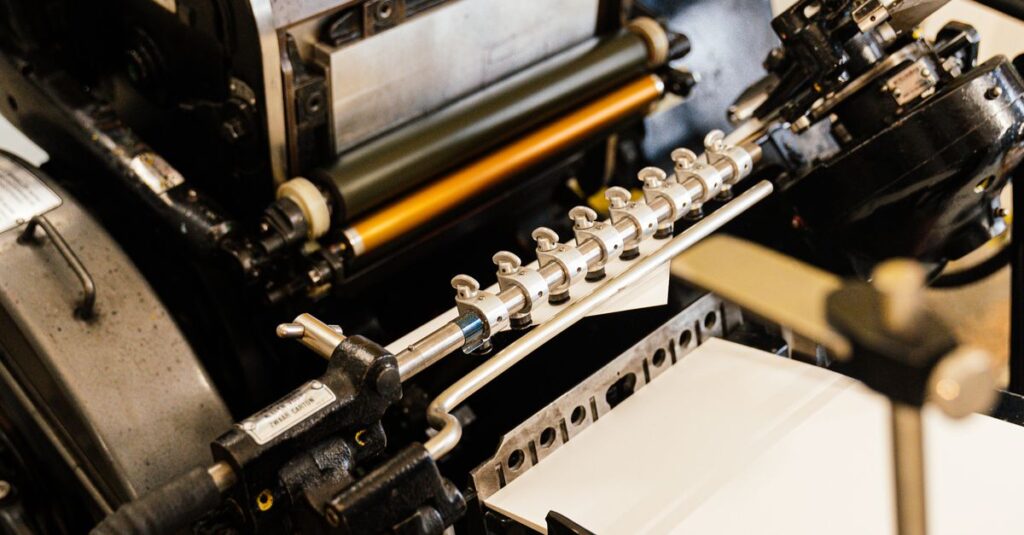
The paper comes in giant rolls or pre-cut sheets. Then the printing starts. This is where customization happens. A logo, a school crest, a specific ruling pattern. Most factories use offset printing for bulk runs because it’s sharp, consistent, and frankly, cheaper at scale. Digital printing is for smaller, more variable jobs. After printing, the sheets are folded, gathered into signatures (that’s a bookmaking term for a group of pages), and then sent to binding.
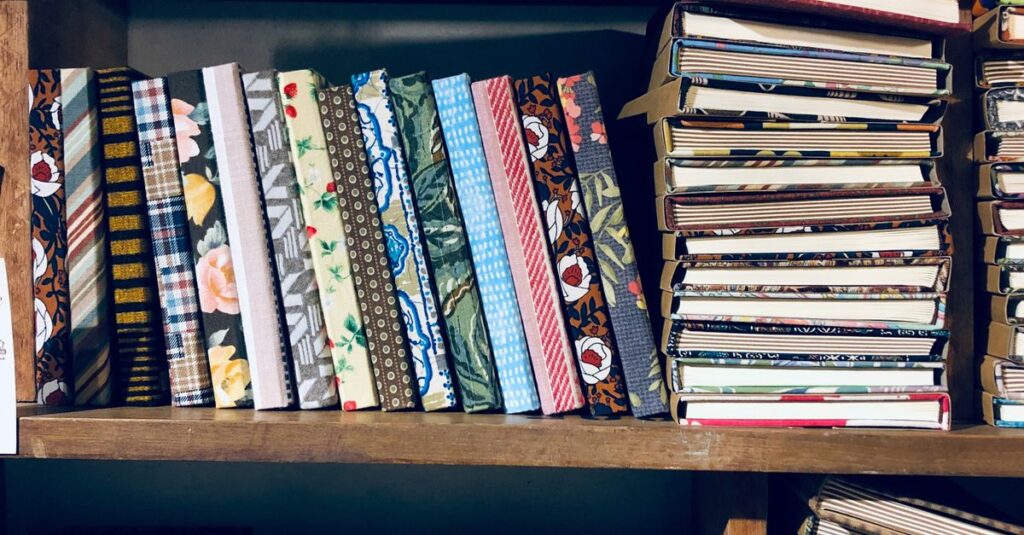
Binding. This is where the notebook gets its spine — literally. You have options:
- Stitched Binding: Strong, lies flat. The classic school notebook. The threads hold the signatures together. Durable as hell.
- Spiral Binding: The wire or plastic coil. Lets the book fold back on itself completely. Great for sketchbooks, manuals.
- Perfect Binding: That glued edge you see on paperback novels and some premium diaries. Looks clean, but doesn’t always lie perfectly flat.
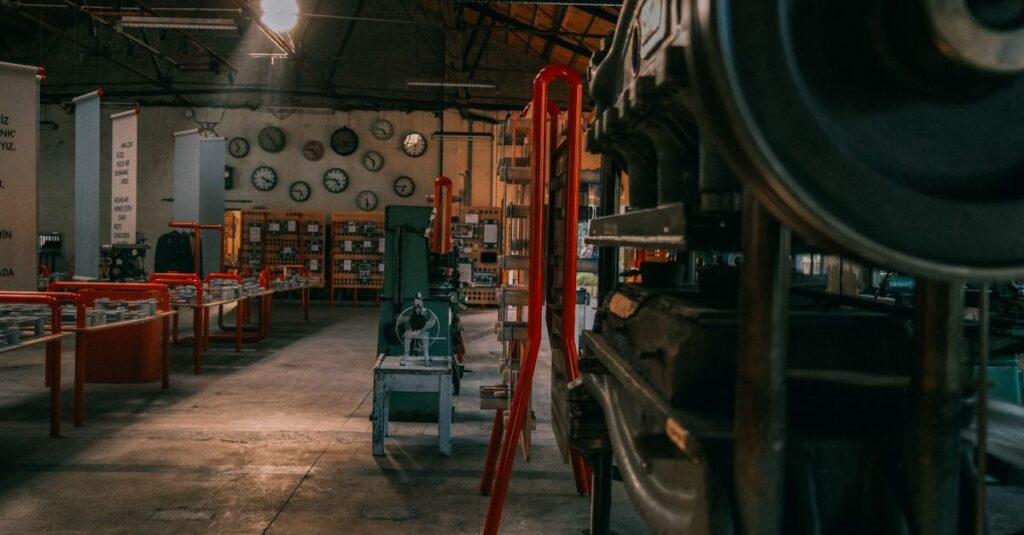
Each method has a different machine, a different operator, a different tolerance for error. The factory floor is loud. It smells like ink and machine oil. And the pace is relentless. A mid-sized operation, like ours, can run through 30,000 to 40,000 bound notebooks in a day. The question isn’t whether they can make them. It’s whether they can make *yours* exactly the way you need them, every single time.
The People You’re Really Buying From
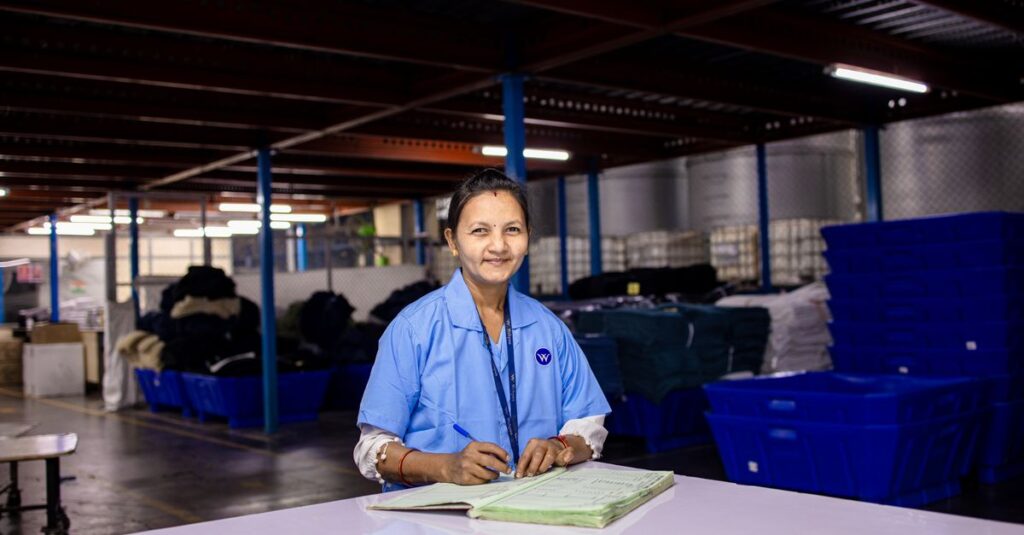
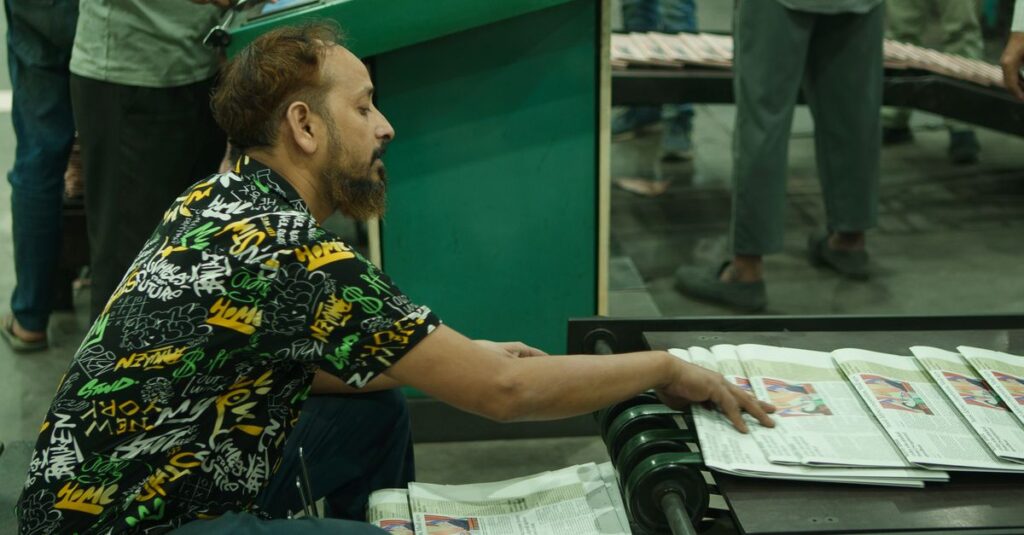
Right. The factory is machines and process. But behind that are people. This is the part nobody says out loud. The quality of your notebooks depends entirely on the skill of the press operator who aligns the colors, the binder who sets the tension on the stitching machine, and the packer who checks for defects before boxing.
I’ll give you a real-life scene. There’s a guy named Ravi who’s been running our stitcher for fifteen years. He doesn’t just load paper. He listens to the machine. A slight change in the *thump-thump-thump* rhythm tells him a needle is dulling before it breaks. He knows exactly how much humidity in the air will affect the paper tension. That knowledge? You can’t buy it. It’s learned over thousands of hours and millions of notebooks.
When you’re evaluating a book factory, you’re not just evaluating their brochure. You’re evaluating whether they’ve held on to people like Ravi. Because a high turnover of staff means inconsistent quality. Period. A factory that invests in its people is a factory that can handle the complexity of a custom order for 200 different schools, each with their own logo and page ruling, without mixing up a single box.
Expert Insight
I was reading an industry report last year — can’t remember which one exactly — and one line stuck with me. It said the biggest cost in notebook manufacturing isn’t paper or labor. It’s waste. Misprints, mis-cuts, binding errors. A factory with tight processes might have a 2% waste rate. A sloppy one can hit 8% or higher. And guess who ends up paying for that waste, one way or another? The buyer. It gets baked into the price. That’s the hidden math most procurement managers never see. The most efficient factories aren’t just faster; they’re fundamentally more honest about their true costs.
Custom Orders vs. Standard Stock: The Two Worlds
This is where the rubber meets the road. Most factories operate in two parallel lanes. One lane is for standard stock: the A4 single-ruled notebook, the A5 unruled journal, the common sizes and rulings they can produce on autopilot. The other lane is for custom work. This is a different beast entirely.
Think about it this way. Ordering standard stock is like buying a suit off the rack. It works. It’s efficient. Ordering custom notebooks is like going to a tailor. You’re choosing the fabric (paper GSM), the cut (size and ruling), the lining (cover material and finish), and the monogram (your logo printed on every page).
The custom lane requires communication. A good factory will have a dedicated person to walk you through it. They’ll ask questions you haven’t thought of: “Do you want the logo on the bottom-right or center of the cover?” “What Pantone color for the ruling lines?” “How will these be shipped — do you need extra corner protection for international freight?”
I’ve seen corporate buyers get this wrong. They treat a custom 10,000-diary order like it’s a simple purchase. It’s not. It’s a collaborative project. The factory is your production partner. If you give them vague instructions, you’ll get vague results. If you give them clear specs and trust their advice on production realities, you’ll get a product that feels like it was made just for you. Because it was.
| Aspect | Standard Stock Notebooks | Custom Printed Notebooks |
|---|---|---|
| Lead Time | Short (often ready for dispatch) | Longer (includes design, proofing, setup) |
| Minimum Order Quantity (MOQ) | Lower, sometimes none for common items | Higher, due to setup costs (often 1000+ units) |
| Cost Per Unit | Lower (economies of scale on repeated runs) | Higher (covers design, plate-making, unique setup) |
| Flexibility | Fixed sizes, rulings, cover designs | Full control over size, paper, ruling, cover, packaging |
| Best For | Fill-in stock, urgent needs, testing a supplier | Brand building, corporate gifts, institutional identity |
| Key Challenge | Finding consistent quality across batches | Clear communication & precise specification |
What to Look For (And What to Run From)
Alright. You need a book factory. How do you pick one? The glossy website is just a start. Probably the biggest reason buyers get disappointed is they focus on price first and everything else second. Bad move.
Look, I’ll be direct. Start with capability. Can they actually make what you want? If you need spiral-bound graph books exported to the UAE, and their specialty is perfect-bound diaries for local retail… you’re going to have a bad time. Ask for samples of work similar to your project. Not just a sample pack of their standard stuff. Actual client work.
Then, communication. Send an enquiry. See how long they take to reply. Is it a generic auto-response, or does someone actually read your requirements and ask smart follow-up questions? A factory that’s organized on the front end is usually organized on the production floor.
Finally — and this is a headache, honestly — ask about their supply chain. Where do they source paper? During the pandemic, factories tied to unreliable paper mills shut down for months. The ones with strong, long-term relationships kept running. Your notebook order isn’t just dependent on the factory; it’s dependent on their supplier’s supplier. A good factory will be transparent about this. A bad one will gloss over it.
Here’s a shortlist of red flags:
- Vague Pricing: “It depends.” Without a basic per-unit range based on your specs, they’re guessing.
- No Physical Address: If you can’t find their factory location, be very suspicious.
- No Willingness to Do a Small Test Run: For a sizable custom order, a reputable factory will often do a pilot batch of 50-100 units to lock in specs.
If you’re navigating this for the first time, understanding the printing service process is a solid first step. It demystifies a lot.
The Real Cost of Cheap
This is the uncomfortable truth. Everyone wants a good price. I get it. Budgets are tight. But with notebooks, cheap almost always means a compromise you’ll feel later.
Cheaper paper means more bleed-through from pens, a rougher writing surface. Kids hate it. Employees will complain. A weaker binding means pages fall out after a month of use. A sloppy print registration means your logo looks blurry or off-center. You saved 15% on the unit cost, but you bought 10,000 pieces of frustration.
What most people don’t realize is that the cost difference between a decent notebook and a bad one is often just a few rupees per unit. For a bulk order, that adds up. But so does the cost of replacement, the damage to your institution’s brand if you’re handing out shoddy diaries, and the sheer administrative nightmare of dealing with complaints.
Invest in the sample stage. Order samples from 2-3 shortlisted factories. Give them to actual users — a teacher, an office manager. Get their feedback on how the paper feels, how the binding holds up to rough use. That feedback is worth more than any sales pitch. It tells you what you’re actually buying.
Frequently Asked Questions
What does “book factory” typically mean?
It usually refers to a manufacturing facility that specializes in producing notebooks, exercise books, diaries, and similar stationery in bulk. It’s not about publishing novels, but about the industrial-scale production of bound, blank or ruled books for educational, corporate, and commercial use.
What is the minimum order quantity (MOQ) for a custom notebook order?
It varies wildly by factory and complexity. For simple custom printing (like adding a logo to a standard notebook), MOQs can start around 500-1000 pieces. For fully custom designs with unique sizes, papers, and bindings, expect MOQs of 2500 units or more. Always ask upfront.
How long does it take to manufacture bulk notebooks?
For standard in-stock items, shipment can be within days. For custom orders, lead time includes design approval, proofing, material sourcing, production, and QC. A typical timeline is 4-8 weeks from final confirmed order to dispatch, depending on order size and factory capacity.
Can book factories handle international export orders?
Yes, many established factories, especially in manufacturing hubs like India, have export experience. They handle documentation, packing for sea/air freight, and compliance. Be sure to discuss Incoterms (like FOB) clearly to understand who handles shipping and customs at each stage.
What’s the difference between 54 GSM and 70 GSM paper in notebooks?
GSM stands for grams per square meter. 54 GSM is a standard, lighter-weight paper common in school notebooks—it’s cost-effective but can show some ink bleed. 70 GSM is thicker, more opaque, and offers a more premium writing feel, often used in corporate diaries or high-quality journals.
Wrapping This Up
Look. Choosing a book factory isn’t about finding the lowest number on a quote. It’s about finding a capable, reliable partner who understands that your order isn’t just a line item. It’s a tool for students, a representation of a brand, a piece of someone’s daily work.
Ask the hard questions. Demand samples. Listen for experience in the voices of the people you talk to. The right factory makes the process feel transparent, not transactional. They help you navigate options you didn’t know existed. They turn your requirements into a physical product you’re proud to distribute.
I don’t think there’s one perfect factory for everyone. Probably there isn’t. But if you’ve read this far, you already know what you need — you’re just figuring out who you can trust to build it for you. And honestly? That’s the only question that really matters.
If the idea of working with a manufacturer that’s been in the notebook game since 1985 sounds like a good starting point for your next project, it might be worth a conversation. No pressure. Just a chat about paper, binding, and what you’re actually trying to achieve.