You hear “book publishing” and think of novels. You’re wrong.
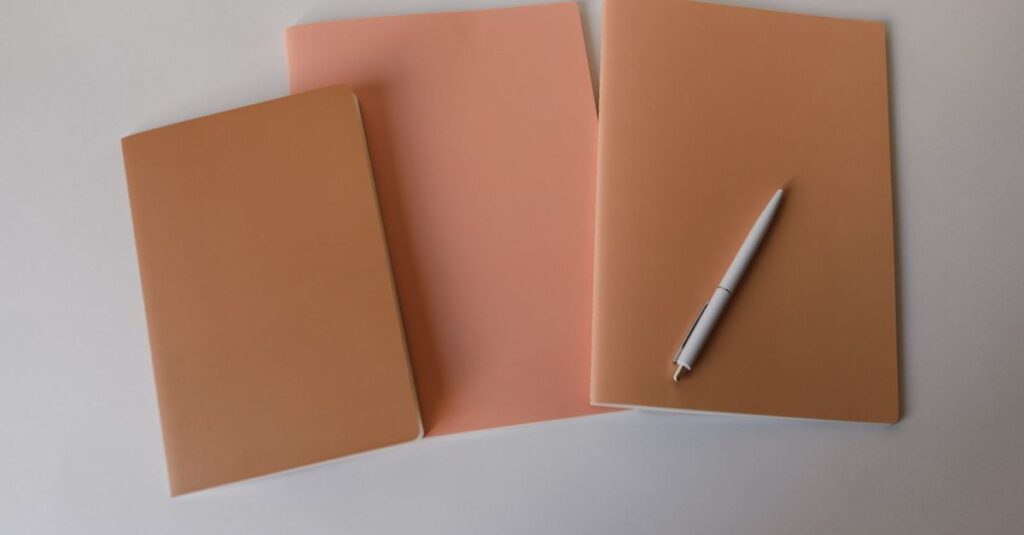
Look, when I hear someone searching for “book publishing book,” I know exactly what’s happening. It’s not an author. It’s not a novelist. It’s a procurement manager in Hyderabad, scrolling at 11 PM, trying to find a reliable company to print 5000 branded notebooks for their annual sales conference. It’s a school principal in Chennai, figuring out why custom textbooks cost so much and what “publishing” really entails for bulk stationery. That’s the real search. It’s commercial. It’s practical. It’s about getting things printed, bound, and delivered on time, not about literary agents. If you’re reading this, you probably need notebooks, not a novel. You want to understand the process so you can buy smarter.
So, what is “book publishing” in your world?
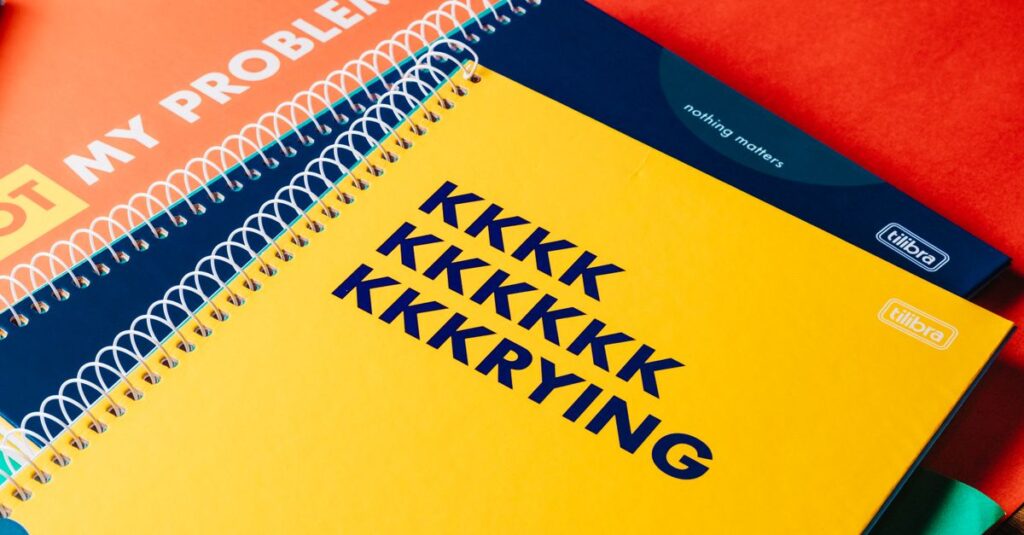
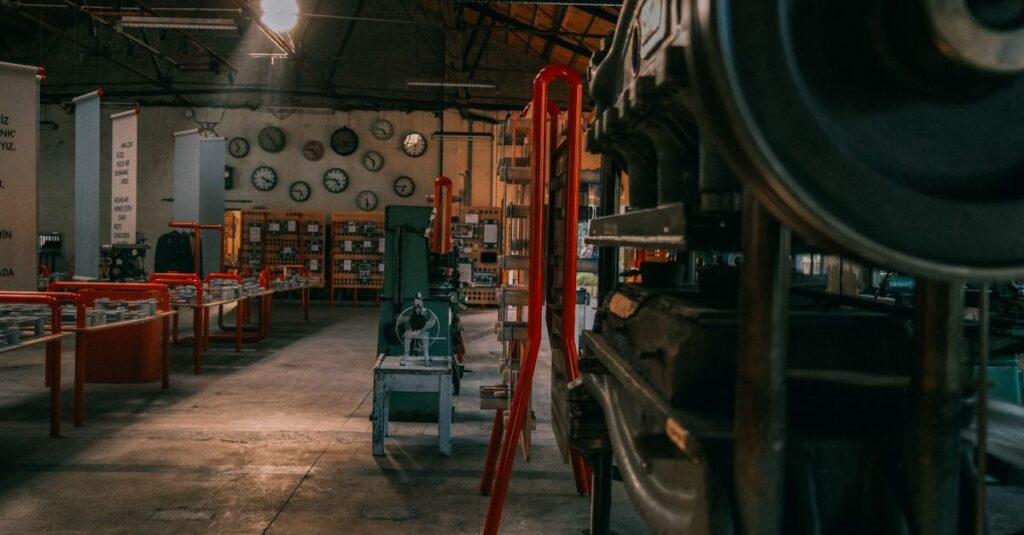
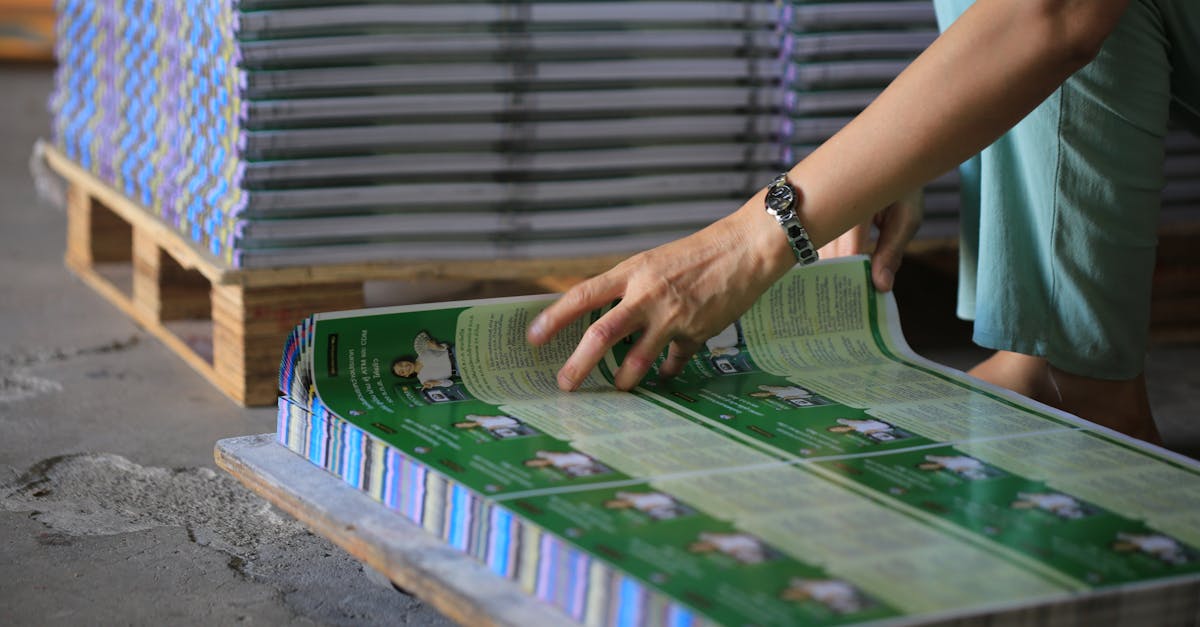
Forget the glamorous image. In the world of institutional buying, corporate gifts, and school supplies, “book publishing” means one thing: the industrial process of turning blank paper into finished, usable books. It’s manufacturing. It’s the step-by-step chain of designing, printing, binding, and finishing a physical product. When you order 10,000 custom diaries for your company, you are, in essence, publishing a book. A very specific, utilitarian book. The core steps are almost identical: content layout (your logo, your page rulings), printing (offset or digital), binding (stitched, spiral, perfect), and distribution (to your offices or campuses). The difference? Scale, purpose, and speed. You’re not waiting for editorial reviews. You’re waiting for the delivery truck.
A real-life moment
I was talking to a procurement officer from a tech firm in Bangalore last week. Over a terrible video call, his audio kept cutting out. He told me his team had been calling it “stationery procurement.” But when they got the quote from a printer, the breakdown listed “publishing charges.” He was confused. “Are they making a novel?” he asked. No. They were just using the industry’s oldest term for making books, any books, from start to finish. That label carries a weight of process and quality. It means someone knows how to handle paper, ink, and glue with precision. It’s a good sign.
Why this distinction matters for buyers
Here’s the thing: if you approach a notebook manufacturer and talk about “publishing,” you’re speaking their language. You’re acknowledging the craft, not just the commodity. This changes the conversation. Instead of “I need cheap notebooks,” it becomes “I need a published product that represents our brand.” This shifts the focus from just price to quality, durability, and finish. It also helps you spot the real manufacturers from the mere traders. A trader will just sell you a notebook. A publisher will ask about your paper GSM, your binding preference for heavy use, your cover lamination for durability. They’ll talk about the publishing workflow. That’s the company you want.
Expert Insight
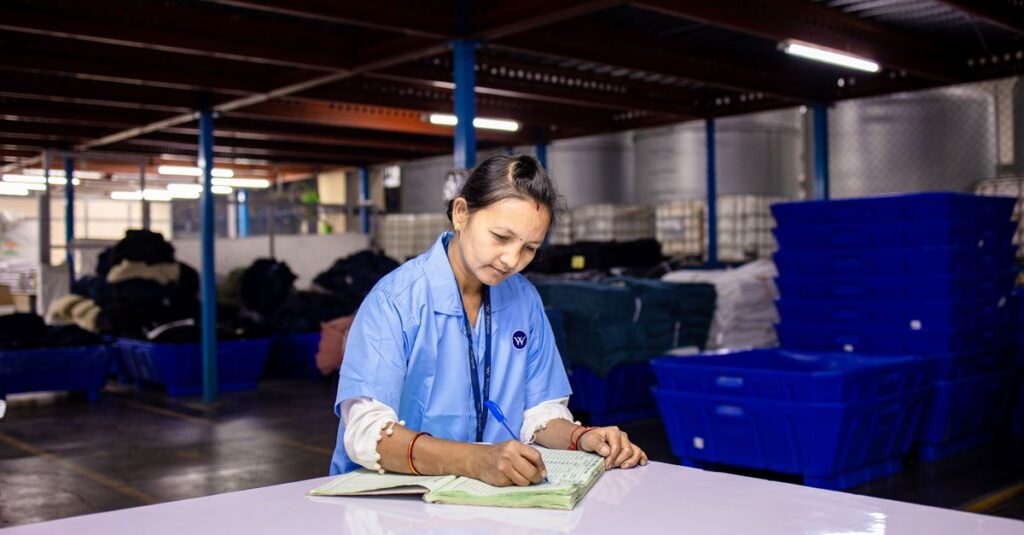
I was reading an old industry journal once, and a line stuck with me. A veteran printer wrote, “The difference between a job and a product is publishing.” He meant that slapping ink on paper is a job. But considering the user, the environment, the lifespan, and the feel of the final object, that’s publishing. I don’t have a cleaner way to put it than that. When we make school notebooks, we think about how a child will grip it, how many times it will be opened, how the spine will hold up after six months in a backpack. That’s publishing thinking. It’s not just manufacturing.
The core steps of industrial notebook publishing
Let’s break it down so you know what you’re paying for. When you order bulk custom notebooks, this is the pipeline it goes through. Knowing this helps you ask the right questions.
- Pre-press & Design: This is where your artwork, logo, and page layout are prepared for the machines. It’s technical. Margins, bleed, ruling lines, all set up here. A good publisher will catch errors here that a cheap printer will miss.
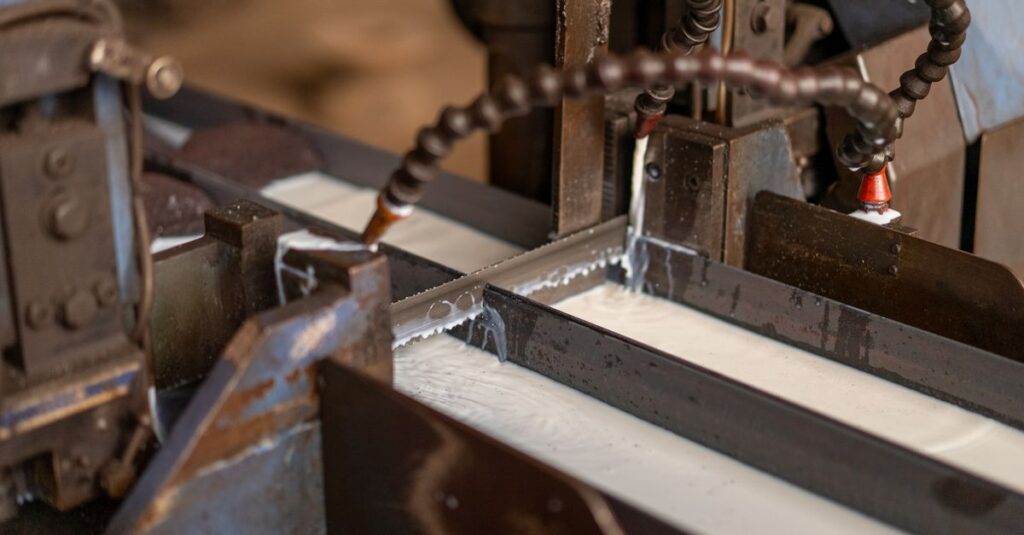
- Paper Selection & Cutting: Not all 70 GSM paper is the same. The grain, the finish, the opacity. Paper is cut into specific sizes from large mother sheets. This stage determines the basic quality of the product.
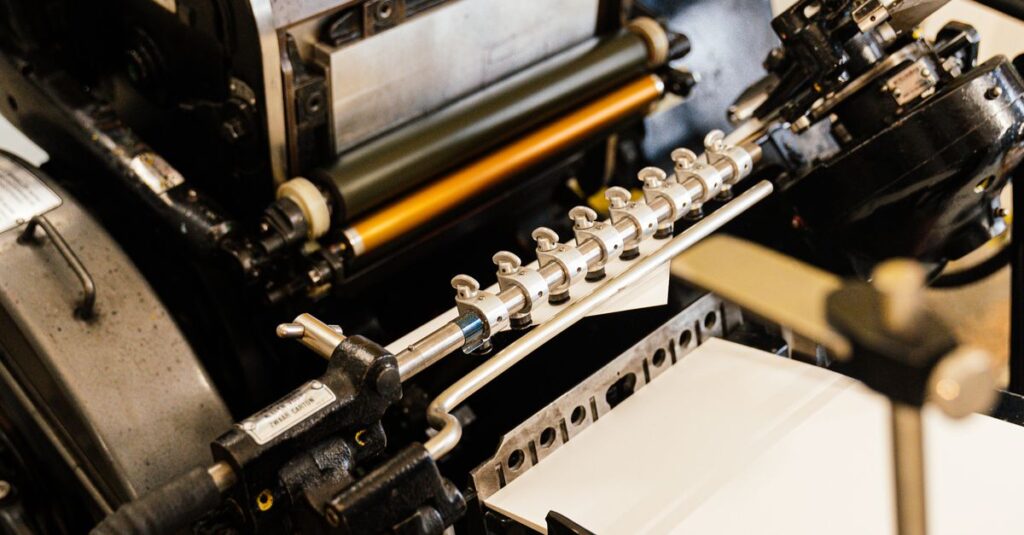
- Printing: Usually offset printing for bulk orders. It’s fast, consistent, and cost-effective for thousands of copies. Digital printing comes in for smaller, highly customized runs. This is where your brand gets physically imprinted.
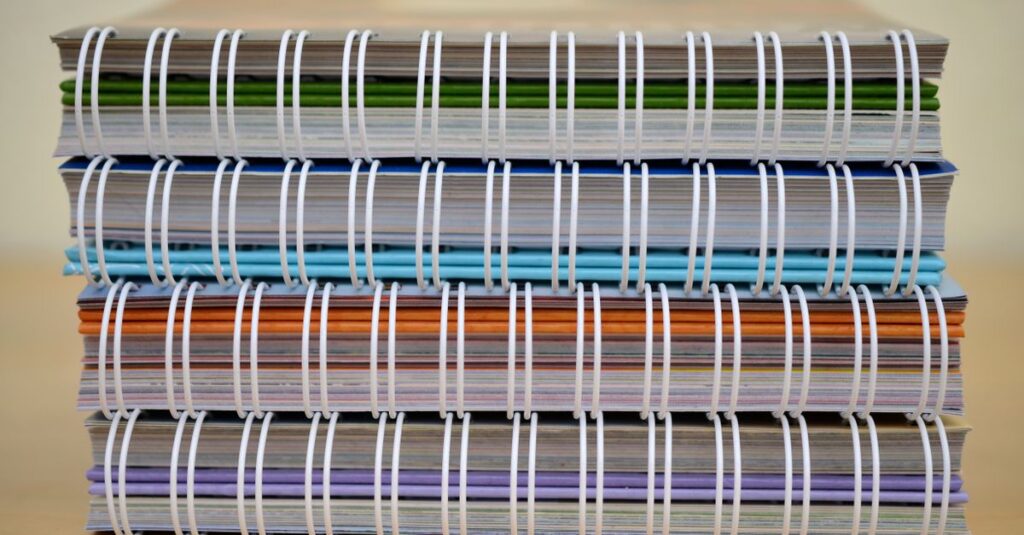
- Binding: This is the heart of durability. Stitched binding for standard notebooks, spiral for flexibility, perfect binding for thicker diaries. The binding type you choose dictates how the notebook will behave over time.
- Finishing & Packaging: Lamination of covers, rounding of corners, packing in cartons. This is the final touch that protects the product until it reaches you.
Each step adds cost, yes. But each step also adds value. Skip one, and you’ll feel it in the final product.
A quick comparison: Publishing vs. Simple Printing
To make this crystal clear, here’s what you’re really choosing between.
| Factor | Industrial Publishing Approach | Simple Printing Job |
|---|---|---|
| Focus | Creating a durable, functional product for end-users. | Applying ink to paper as per client request. |
| Paper Choice | Selects paper based on usage (student, office, archive). | Uses standard available paper, often not optimized. |
| Binding Consideration | Recommends binding based on lifespan and use-case. | Offers one default binding, usually cheapest. |
| Quality Control | Multiple checkpoints at each stage of production. | Final output check only, if any. |
| Customization Depth | Can alter ruling, page count, cover material, size. | Limited to cover logo printing. |
| Output | A published book ready for distribution and use. | A printed notebook. |
The bottom line? If your notebooks are a tool for daily work, you need the publishing approach. If they’re a one-off giveaway, maybe the printing job suffices.
What to look for when you need a “book publisher”
Okay, so you’re convinced you need a publisher, not just a printer. How do you find one? I think that most buyers focus only on price per unit. That’s a mistake. Here’s what actually matters.
- Ask about their press: Do they own offset machines? Can they handle your volume? If they’re outsourcing printing, you lose control and time.
- Request paper samples: Feel the paper. Write on it. See if the ink bleeds. This is the most tangible quality check.
- Discuss binding options: A true publisher will have multiple binding lines. They’ll ask, “How will these be used?”
- Check for pre-press capability: Can they design the layout for you? Do they have graphic support? This is crucial for custom work.
- Look at their client list: Are they supplying institutions, schools, corporations? That’s a sign of publishing scale.
And one thing most people don’t realize: location matters. A manufacturer based in a paper-producing region has better access to raw materials and lower logistics costs. That translates to better pricing for you. It’s not just about the factory; it’s about the supply chain around it.
The real cost of publishing notebooks
Let’s talk money. Because that’s where the headache starts. The cost isn’t just paper plus printing. It’s design plus paper plus printing plus binding plus finishing plus packaging plus logistics. And each variable has its own variables. Paper GSM, cover lamination type, binding stitch count, carton strength. I’ve heard this enough times now to know the confusion. Procurement managers get a quote and think, “Why is this so high compared to the ready-made notebooks I see online?” Right? Because online ready-made notebooks are mass-produced for generic use. Your custom published notebook is a tailored product. The cost reflects that tailoring. Sometimes, it’s worth it. Sometimes, you need to scale back the customization. A good publisher will help you find that balance.
The point is, when you evaluate cost, evaluate the components. Ask for a broken-down quote. Then you can decide: Is a 70 GSM paper worth the upgrade over 54 GSM for our executives? Is perfect binding necessary for diaries that will be used for one year? That’s how you control budget without sacrificing quality.
Conclusion: It’s about the product, not the price
If you’ve read this far, you already know you’re not just buying stationery. You’re commissioning a published tool. The notebook you give to your employee or student carries your brand’s weight. It needs to function, last, and represent you well. That’s publishing. I don’t think there’s one perfect supplier for everyone. Probably there isn’t. But if you understand the process, you can ask the right questions and find the right partner. You’re just figuring out if it’s okay to want more than just a cheap notebook. It is.
Frequently Asked Questions
Is “book publishing” the same as custom notebook manufacturing?
Essentially, yes. In industrial terms, publishing refers to the complete process of creating a book from raw materials to finished product. Custom notebook manufacturing is a subset of that, focused on non-literary books like diaries, workbooks, and stationery. The principles, design, print, bind, finish, are identical.
What’s the main advantage of working with a “publisher” over a simple printer?
Depth of expertise and control over quality. A publisher views the notebook as a holistic product and optimizes each stage for durability and function. A printer often focuses only on the printing stage. For bulk, repeated use, or brand representation, the publishing approach yields a better product.
How long does the publishing process take for a bulk notebook order?
It depends on complexity and quantity. For a standard order of 10,000 custom notebooks, a full publishing cycle from design approval to delivery typically takes 4 to 6 weeks. Simple printing jobs can be faster, but may compromise on steps like proper binding or paper selection.
Can I publish notebooks with my own designs and rules?
Absolutely. That’s the core of custom publishing. You provide your logo, artwork, and specify page rulings, and the publisher executes the entire production. This is common for corporate diaries and school notebooks.