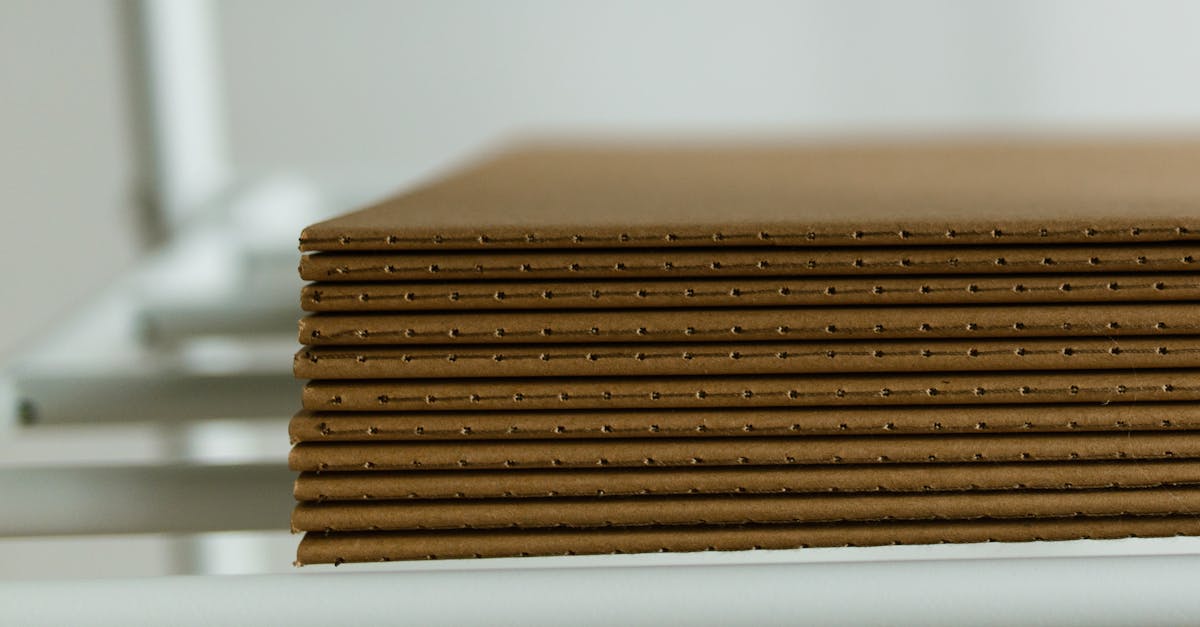
The Real Problem With Bulk Stationery Orders
It happens every year, like clockwork. A school procurement officer stares at a quote for 10,000 notebooks. A corporate manager has to finalize the design for 5,000 corporate diaries. The decision feels huge — and honestly, it’s stressful. You’re not just ordering pens and paper. You’re ordering a tool people will use every day. You’re ordering a piece of your brand’s identity. And you’re spending a significant chunk of the budget on something you hope doesn’t fall apart in three months.
Most people think the biggest risk is price. It’s not. The biggest risk is quality you can’t see until the shipment arrives. The wrong paper GSM that bleeds ink. Binding that unravels after a few weeks. A print job where your logo looks fuzzy. You get the boxes, open one, and your stomach sinks. Right?
That’s the real problem with buying books and stationery in bulk: you’re buying trust, not just products. And most suppliers talk about specs, not about what actually happens in a classroom or office. If you’ve felt that pressure, understanding how notebooks are actually made might be worth a look.
It’s Not Just Paper. It’s a System.
Let’s get specific. When you hear “books and stationery,” you’re probably thinking of the finished item on a shelf. But for someone who manufactures them, it’s a chain of decisions. Each one affects the final product in a way you might not notice until it’s too late.
Think about paper weight — GSM. A standard 54 GSM writing paper feels smooth, takes ink well, and doesn’t tear easily. But some cheaper orders use 48 GSM. It feels flimsy. It ghosts — you can see what’s written on the previous page. For a student scribbling notes or an accountant filling ledgers, that’s a daily annoyance. It’s the kind of detail procurement managers miss because they’re comparing per-unit cost, not per-unit experience.
Then there’s ruling. SR (Single Ruled), DR (Double Ruled), FR (Four Ruled for younger kids), CR (Cross Ruled for graphs). This isn’t just a design choice. It’s a functional one. A college engineering student needs cross-ruled pages. A primary school kid needs four-ruled to learn letter spacing. If you get it wrong, the entire batch is functionally useless for its purpose.
Expert Insight
I was talking to a school principal last month — from a district in Andhra Pradesh, actually — and she told me something that stuck. She said the biggest complaint from teachers wasn’t about missing notebooks, but about notebooks that didn’t serve their purpose. “We ordered ‘long books’ but the ruling was too narrow for proper handwriting practice,” she said. “It’s a waste of money and a waste of the child’s effort.” The more I think about it, the more I realize bulk stationery isn’t a commodity. It’s a tailored tool. And the supplier’s job isn’t just to deliver boxes; it’s to understand the use case.
A Quick Story About a Real Order
Let me tell you about Anil. He’s 42, works as a procurement manager for a mid-sized IT company in Hyderabad. Last December, he had to order 2,000 New Year diaries for the staff. He got three quotes. One was significantly cheaper. He went for it. The diaries arrived. The covers looked fine. But the paper inside was so thin that fountain pen ink bled through to the next page. The spiral binding was weak — a few diaries had coils popping out within a week. The staff feedback was polite but clear: “Please don’t order these again.” Anil’s mistake? He compared price per diary, not value per diary. He didn’t ask about the paper GSM or the binding method. He just assumed ‘diary’ meant a certain standard. It doesn’t.
Anyway. The point is, specs matter because people use these things.
Binding: The Thing That Actually Holds Everything Together
This is probably the most overlooked part. You look at a notebook and think about the cover and the pages. But the binding is what determines its lifespan. If it fails, the whole product fails.
There are three main types you’ll encounter:
- Stitched Binding: Traditional, strong, for thicker books like account books (200+ pages). The pages are sewn together. It’s durable, but it limits how the book can open flat.
- Spiral Binding: That metal or plastic coil. It lets the notebook open completely flat, which is great for drawing books or scribbling pads. But a cheap spiral can snag, deform, or even uncoil.
- Perfect Binding: Like a paperback book. Pages are glued at the spine. It looks clean and professional, ideal for corporate diaries. But it’s not as flexible and can crack if abused.
Most people don’t ask about binding until they have a problem. You should ask before you order. For school notebooks that get thrown in bags, stitched or a robust spiral is key. For a corporate diary that sits on a desk, perfect binding might be fine. It’s about matching the binding to the abuse it will take.
Customization: Where Your Brand Lives (Or Doesn’t)
Here’s the thing — custom printed notebooks and diaries aren’t just stationery. They are brand collateral. A employee uses a diary with your logo every day. A student carries a notebook with your school’s crest. It’s a constant, subtle reminder. And if the print job is bad, it’s a constant, subtle reminder that quality isn’t your priority.
Customization covers a few areas:
- Cover Design: Logo placement, colors, finishes (matte/gloss).
- Private Label Manufacturing: Your brand name as the manufacturer. Full control.
- Page Layout Customization: Changing the ruling, adding header/footer text, special margins.
I’ve seen companies spend thousands on a branding campaign and then put that logo on a cheap, poorly printed notebook. It undermines everything. When you’re looking at custom printing services, the question isn’t ‘can they print my logo?’ It’s ‘can they print my logo with the fidelity and durability that represents my brand?’
Books vs. Stationery: A Procurement Manager’s Comparison
Sometimes the choice isn’t between suppliers, but between product types. Let’s break down two common bulk needs: Standard School Notebooks vs. Custom Corporate Diaries. They’re both ‘books and stationery,’ but the priorities are different.
| Factor | Standard School Notebooks (Bulk) | Custom Corporate Diaries |
|---|---|---|
| Primary Priority | Cost-effectiveness, durability, functionality for writing. | Brand representation, professional finish, perceived value. |
| Paper Quality Focus | GSM that prevents ink bleed, smooth surface for pencils/pens. | Higher GSM for a premium feel, often whiter paper. |
| Binding Choice | Stitched or robust spiral for rough handling. | Perfect binding for a clean look, or spiral for flat opening. |
| Customization Level | Often minimal — maybe school name on cover. | High — logo, custom layouts, special cover materials. |
| Volume Sensitivity | Very high — orders of 20,000+ units common. | Lower — 500 to 5,000 units typical. |
| Key Decision Driver | Price per unit, delivery timeline, functional suitability. | Brand alignment, print quality, overall aesthetic. |
This table makes it obvious: you can’t approach both with the same checklist. A school buyer might prioritize getting 50,000 notebooks delivered before June at the best price. A corporate buyer might prioritize a sample with perfect logo reproduction, even if it costs more. Knowing which side you’re on changes everything.
The Manufacturing Floor Perspective
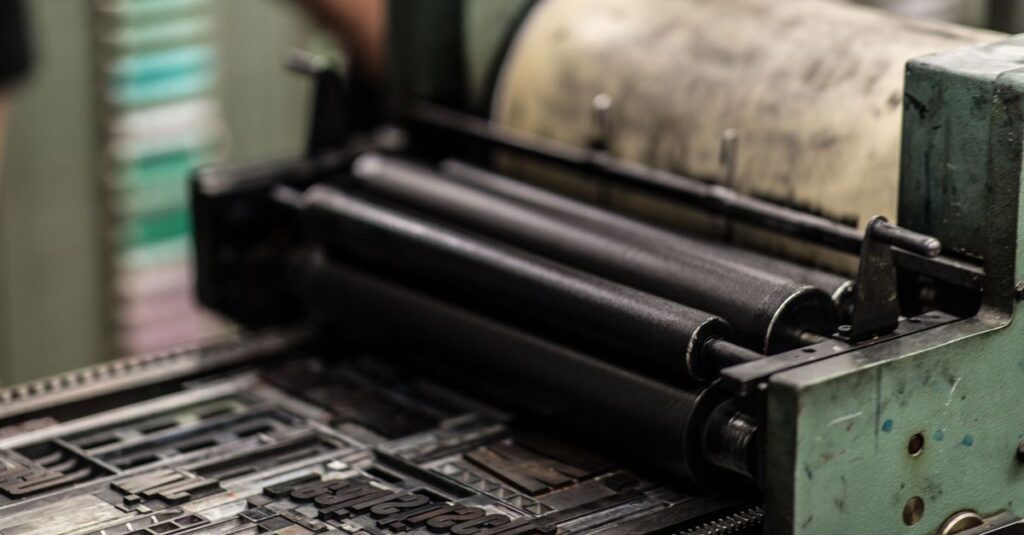
Look, I’ll be direct. A lot of buyers think manufacturing is a black box. They send specs, get boxes. But there’s a rhythm to it. A good factory — like ours — runs on planning. You need to understand capacity. Our factory can produce around 30,000 to 40,000 bound notebooks per day. That sounds like a lot. But if you place an order for 100,000 custom notebooks with a complex print job two weeks before school term starts, you’re going to stress the system. And stressed systems make mistakes.
Planning matters. Lead times matter. The conversation shouldn’t start with “What’s your cheapest option?” It should start with “What do you need these notebooks to do, and when do you need them?” Then you work backwards to the specs, the paper, the binding, the print. That’s how you get a product that works, not just a product that arrives.
Probably the biggest reason for post-delivery complaints is misalignment between need and product. Not malice. Not incompetence. Just a rushed conversation that skipped the ‘why.’
What You Should Actually Ask a Supplier
So, if you’re a procurement manager, a school administrator, or a corporate buyer looking at a books and stationery quote, here’s a short list of questions you probably haven’t asked but should:
- Can I get a physical sample of the exact paper you’ll use, not just a cover mockup?
- What’s the actual GSM of the writing paper? Is it tested for ink bleed?
- For binding: what’s the failure rate in your quality check? How do you test it?
- For custom printing: what’s the color matching process? Do you do a pre-production proof?
- What’s your realistic lead time from order confirmation to dispatch for my volume?
- Do you have experience with my specific type of order (e.g., government institutional supply, international export packaging)?
These questions move you from a price negotiation to a quality negotiation. And that’s where you find a real supplier, not just a vendor.
Frequently Asked Questions
What is the most common mistake when ordering bulk notebooks?
Focusing only on the per-unit price and ignoring the paper GSM and binding type. Thin paper (low GSM) bleeds ink and feels cheap, and weak binding fails quickly. These are functional failures that make the entire batch ineffective, even if it was cheap.
How do I choose between spiral and stitched binding?
Think about how the notebook will be used. Spiral binding allows the book to open completely flat, which is great for drawing, tracing, or writing near the margins. Stitched binding is more durable for thick books (like 200+ page account books) that will be handled roughly. For general school notebooks, stitched is often the safer bet.
What does “custom notebook printing” actually include?
It can range from simply printing your logo on a standard cover to full private label manufacturing. Full customization includes designing the cover, choosing the paper type and ruling, adding custom headers/footers on pages, and even deciding the binding method. It’s about making the notebook uniquely suited to your brand or institution’s needs.
Is there a standard notebook size for schools?
Not one standard, but common ones. In India, Long Notebook (27.2 cm x 17.1 cm) and Short Notebook (19.5 cm x 15.5 cm) are very common for students. Crown Size is also popular. The choice depends on grade level and subject. It’s best to ask the teachers what size they prefer for their students.
Can notebook manufacturers handle international export orders?
Yes, many do. It requires understanding of export packaging (to prevent damage), documentation, and often specific compliance for the destination country. If you’re an international buyer, ask the manufacturer about their experience shipping to your region (e.g., Gulf countries, Africa, USA) and what their export process entails.
Wrapping This Up
Ordering books and stationery in bulk isn’t a clerical task. It’s a procurement decision that affects how people work, learn, and perceive your organization. The cheapest option often carries a hidden cost in frustration and wasted effort.
The takeaway isn’t to spend the most money. It’s to ask the right questions. Understand the specs that actually matter — GSM, binding, ruling. Match the product to its real-world use. And choose a supplier who understands that difference, not just one who offers a low price.
I don’t think there’s one perfect supplier for everyone. Probably there isn’t. But if you’ve read this far, you already know what you need the notebooks to do — you’re just figuring out how to ensure they actually do it. If you want to talk specifics about your next bulk order, we’ve been doing this for a long time and might have some insights.