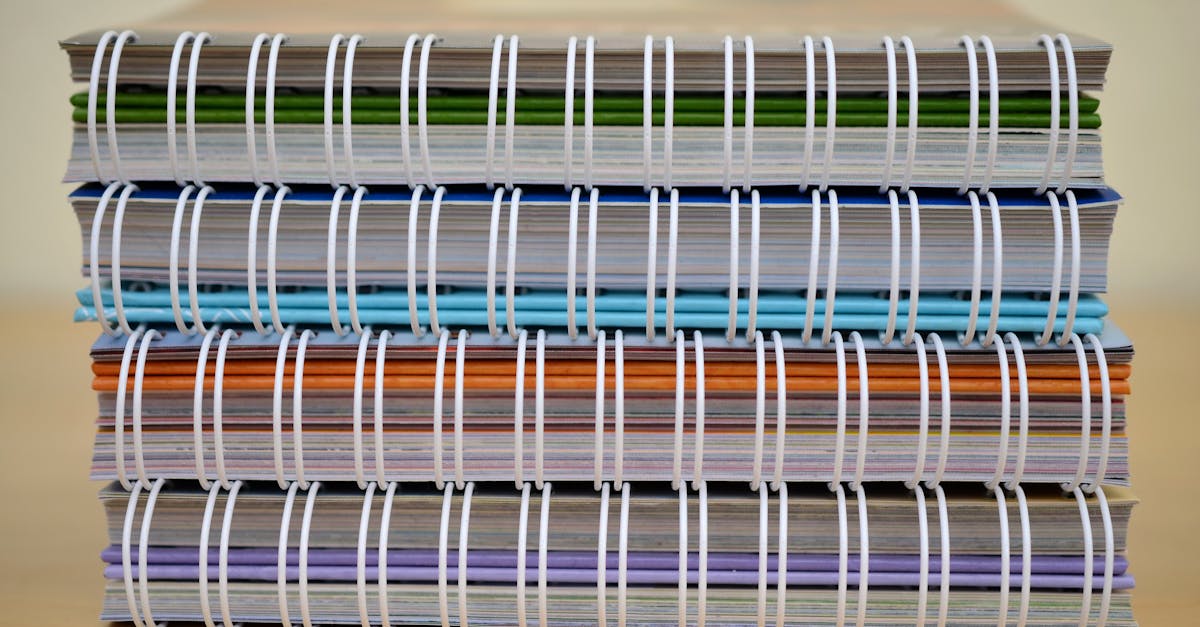
Look. You’ve probably landed here because you need to order a few hundred — maybe a few thousand — custom notebooks or diaries. And you’re staring at a quote, or a spec sheet, wondering: what am I really getting here? Are these “custom booklets” worth it? Will they look cheap?
Right. That’s the first gut feeling, isn’t it? You want something that represents your school, your company, your brand, but you also can’t blow the budget. And the whole “custom” part feels vague. It is vague. Sometimes.
Here’s the thing. A custom booklet isn’t just a notebook with your logo slapped on it. That’s the fast, cheap way out. What you’re actually buying is a physical tool, made to your exact needs, that carries your message every single time someone opens it. It’s a small piece of institutional memory. And the process behind it — the one that matters — is what separates a good order from a headache you’ll have to explain later. If you’re figuring this out for your business or school, seeing how a real manufacturer handles it can save you a world of trouble.
What a Custom Booklet Actually Is (And Isn’t)
Let’s cut through the marketing speak. In the notebook manufacturing world, “custom booklet” is the catch-all term for any bound paper product made specifically for you. It means you control the variables. You’re not buying off a shelf; you’re specifying what goes on the shelf.
But — and this is the important bit — “custom” has levels. I think about this a lot when talking to procurement managers. The most basic level is just a logo print on a standard notebook cover. That’s custom branding. It’s fine. It works. Then you have the deeper end: custom page layouts, specific paper weights no one else uses, odd sizes, unique binding methods, special packaging. That’s custom manufacturing.
What most people don’t realize is the gap between those two. The first is a print job. The second is a production run. And the cost, timeline, and headaches involved are completely different.
The Real Variables You Can Customize
Okay, so what are you actually choosing? When we get an enquiry, we break it down into five core areas. Get these right, and you’ve spec’d your booklet.
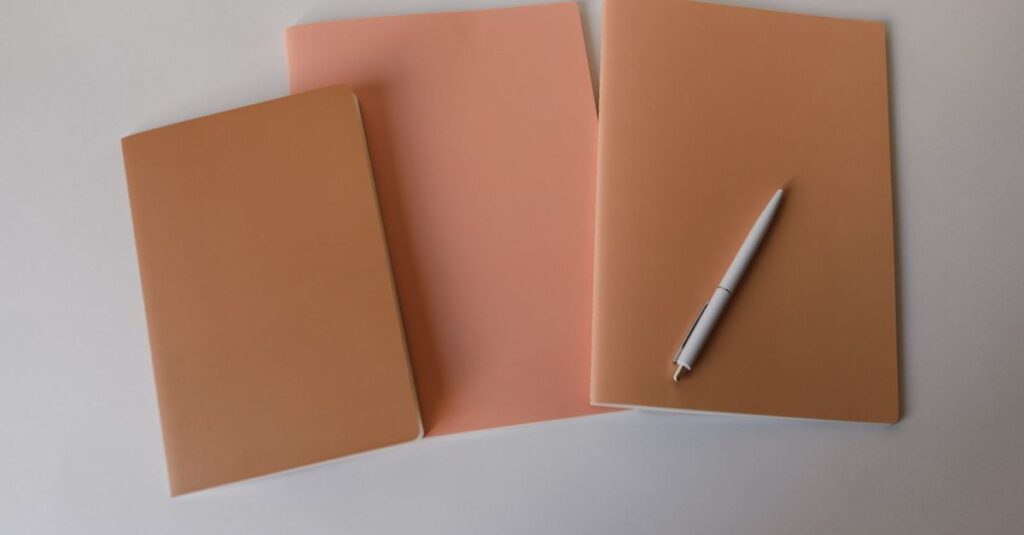
- Size & Format: This isn’t just A4 or A5. It’s the exact trim size after binding. Crown size? Long book? Account book dimensions? It changes the whole feel.
- Paper & Page Count: GSM weight (like our standard 54 GSM for smooth writing), page count (52, 92, 200, up to 700), and the ruling. Single ruled? Unruled? Graph? This is where the user experience is built.
- Cover Design & Material: Full-color digital print, spot color, foil stamping, embossing. Paperboard weight, lamination (gloss or matte). The cover is the handshake.
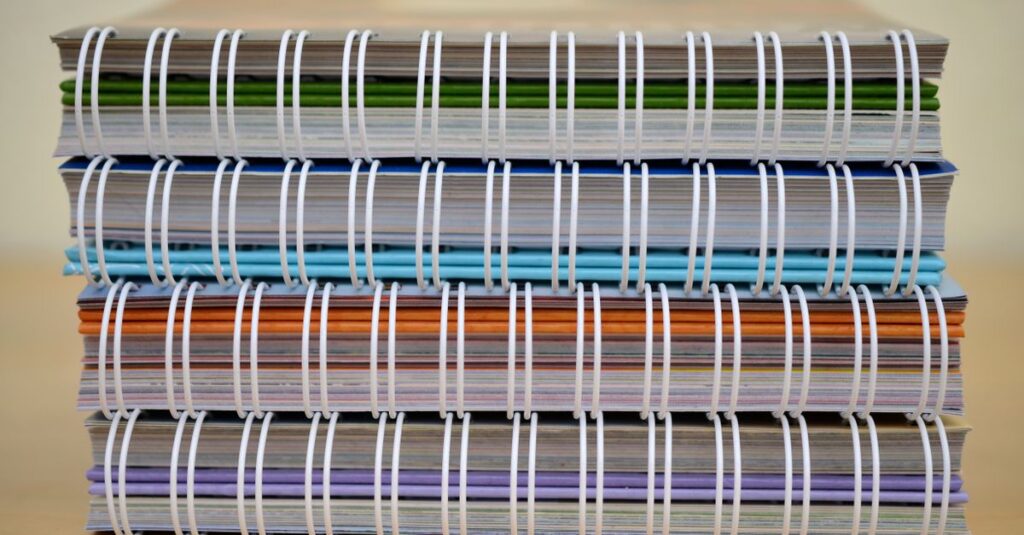
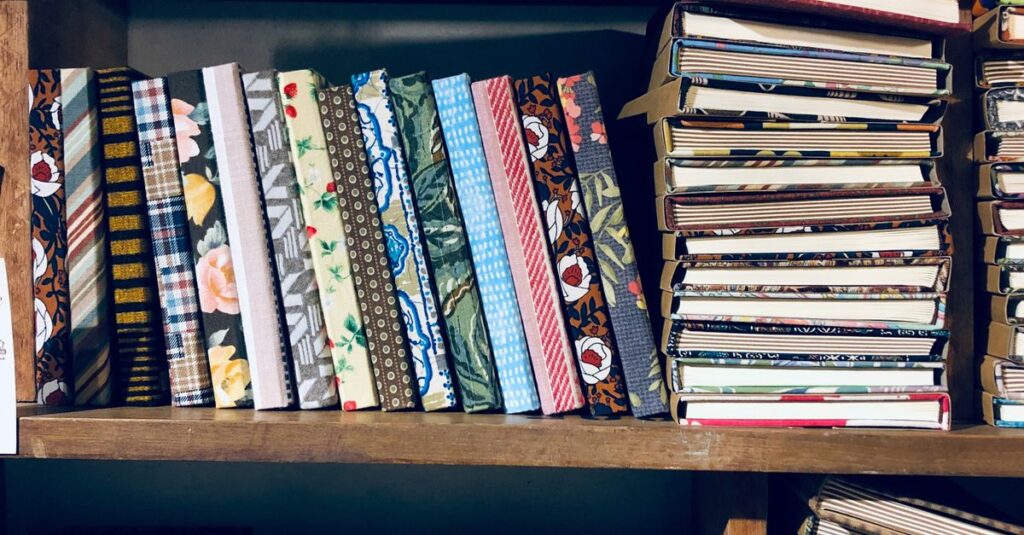
- Binding: Stitched binding for durability, spiral binding for lay-flat use, perfect binding for a clean, book-like spine. Each has a different cost and functional purpose.
- Extras & Packaging: Headbands, ribbon markers, custom belly bands, shrink-wrapping in sets, barcoding for inventory. The finishing touches.
The question isn’t whether you need all of these. It’s which ones are non-negotiable for your use case.
Why Businesses and Schools Keep Coming Back to Custom
I was on a call last week with a college administrator from Hyderabad. They order the same long notebooks, year after year, with their emblem and a specific four-ruled layout for language practice. He said something that stuck with me: “It’s not about looking fancy. It’s about consistency. When a student gets their notebook on day one, it sets a tone. It says this institution cares about the tools of learning.”
He’s right. And that’s the unspoken ROI.
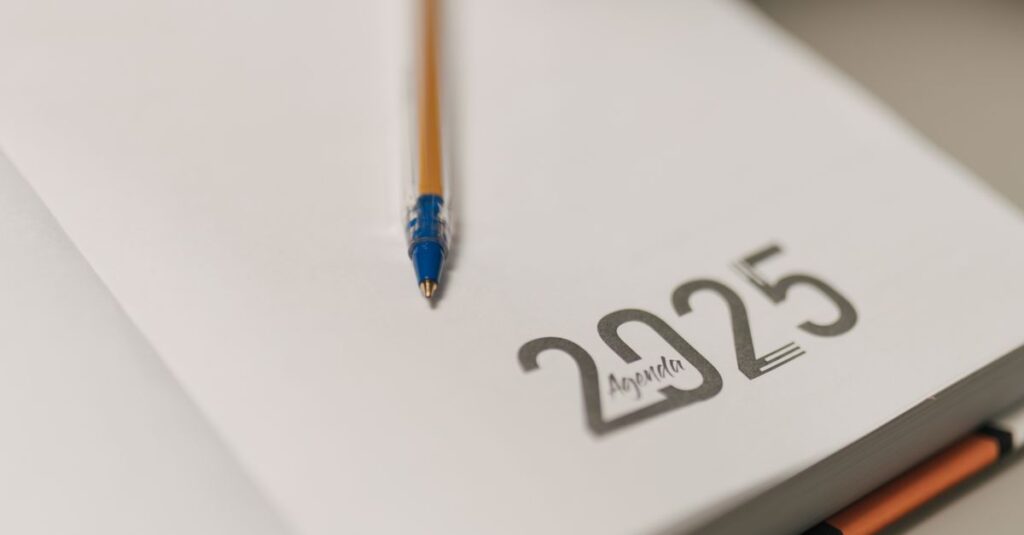
For corporate clients, it’s brand reinforcement. A well-made diary on an employee’s desk is a daily, subtle ad. For distributors, it’s about owning a product line that no one else can sell. For schools, it’s creating a uniform, dependable supply that simplifies procurement. The benefits aren’t just on the surface.
- Brand Control: You own every visual element. Colors, logos, messaging. No competing ads or generic designs.
- Functional Design: You can design the interior for its exact purpose. Sales team logs? Student lab books? Board meeting minutes? The layout can support the work.
- Bulk Economy with Unique Value: You get the cost-saving of large-scale production, but the end product is uniquely yours. It’s a hedge against commoditization.
- Trust & Professionalism: A flimsy, poorly printed giveaway feels cheap. A substantial, well-bound custom booklet communicates quality and attention to detail.
It’s a tangible asset. Not just a purchase.
The Manufacturing Reality: What Happens After You Send the File
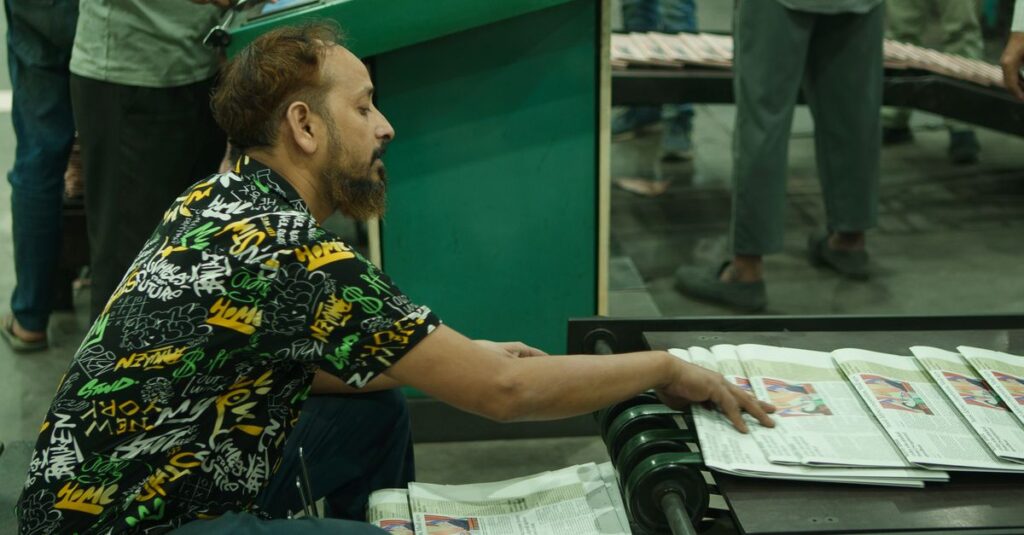
This is where the rubber meets the road. Or rather, where the paper meets the binding glue. A lot of buyers think customization happens in some magical, one-off artisan workshop. For tiny orders, maybe. But for the bulk orders that schools and businesses need? It’s a scaled, industrial process. Just a focused one.
Here’s a rough sequence — the one we follow in Rajahmundry — that turns your specs into boxes of finished booklets.
- Prepress & Proofing: Your design files get checked, color-separated, and plates are made for offset printing (or set up for digital). A physical proof is sent. This step is where 90% of mistakes are caught. Don’t skip it.
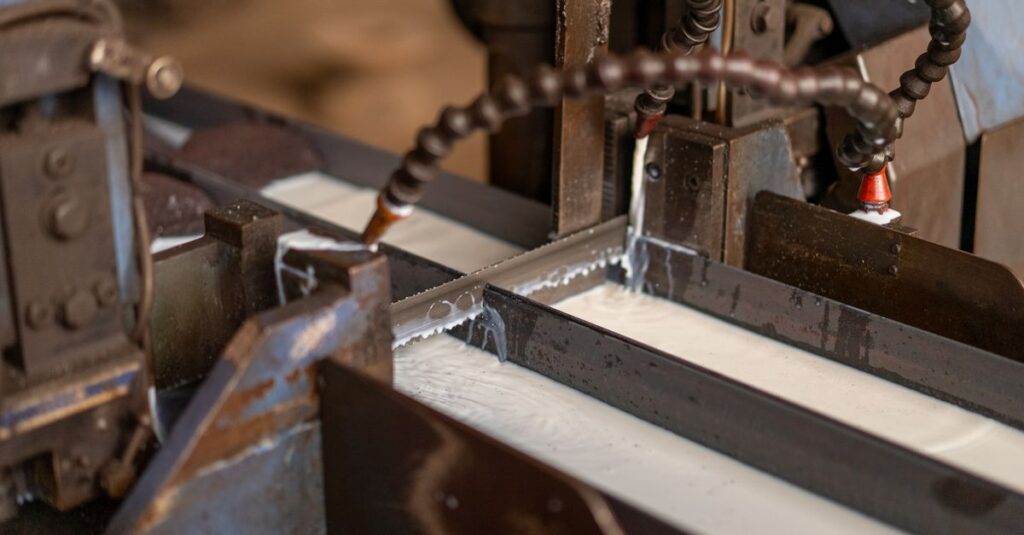
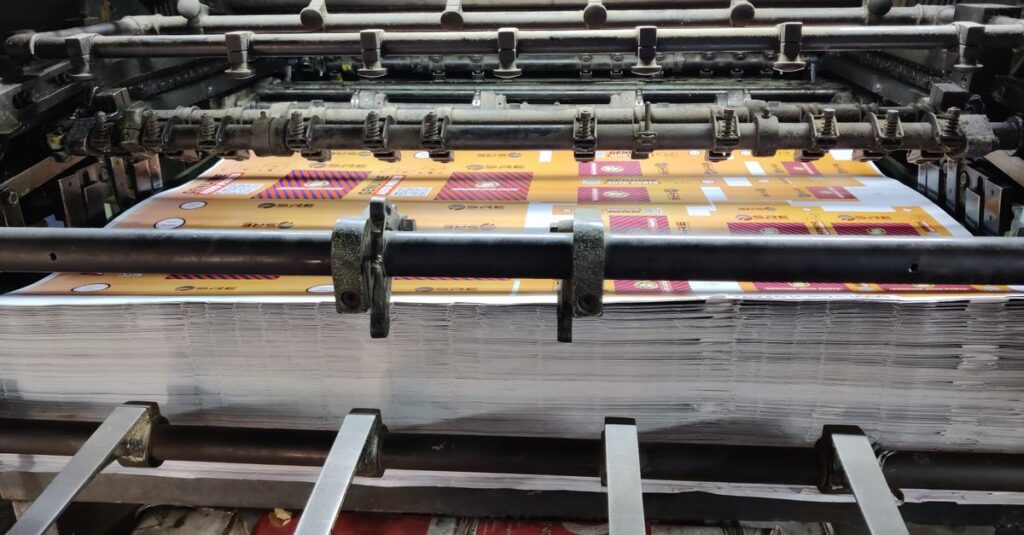
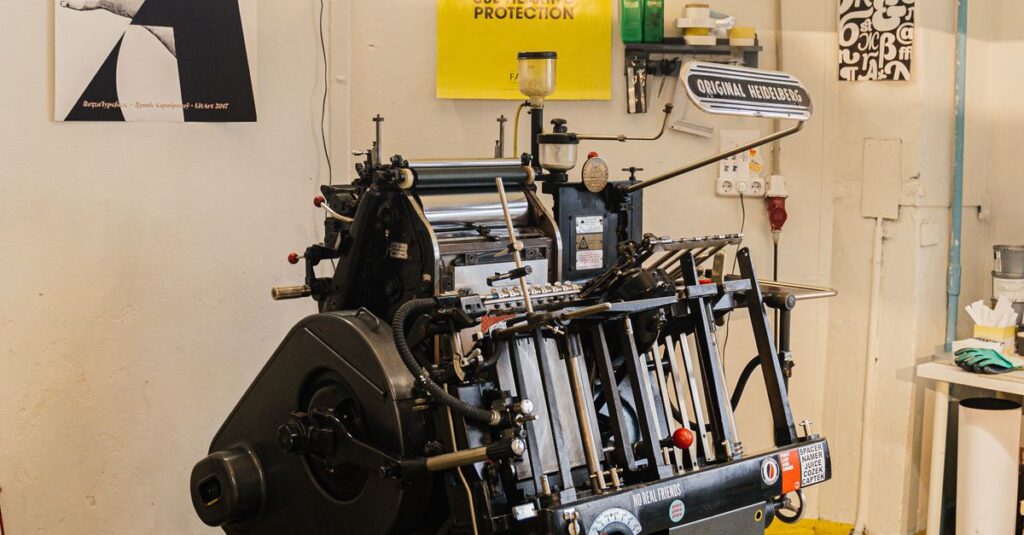
- Paper Printing & Cutting: Large sheets of paper are printed with your interior rulings or graphics, then cut down to size (“trimmed”) in stacks called “reams.”
- Cover Production: Separate run. Heavier paperboard is printed, often laminated for protection, and then cut to the precise cover size.
- Collating & Binding: The inner page stacks are gathered in order, combined with the cover, and sent through the binding machine. Stitching, spiraling, or perfect gluing.
- Finishing & QC: Trimming the final edges, adding any ribbons or bands, inspecting for defects, then packing into cartons for shipping.
The scale of this is something you have to see. Our factory can run 30,000 to 40,000 finished, bound units a day. The custom part is in the setup — the plates, the patterns, the knife cuts. Once that’s dialed in, the machine sings. That’s how you get consistency across ten thousand copies.
Expert Insight
I was reading an industry journal last month — the kind of thing only printers read — and there was a line about paper grain direction. Sounds boring. But the author said that getting the grain direction wrong in a perfect-bound booklet means the pages will never open flat. They’ll fight the reader. And I thought, yeah. That’s the whole job. The expertise isn’t in the big, visible choices. It’s in the hundred tiny, invisible technical decisions that make the product work. The customer never knows about grain direction. They just know a notebook “feels good” to use. Or it doesn’t. That gap is where a real manufacturer lives.
A Real Story: Why Specs Matter More Than You Think
Let me tell you about Ananya. She’s 28, a procurement officer for a chain of private schools in Bangalore. Last year, she switched suppliers to save 8% on a large notebook order. The new guy promised the same specs: 92-page, single-ruled, spiral-bound. The samples looked fine.
The delivery came. The spiral binding was a cheaper, thinner wire. By mid-term, coils were snagging on bags and popping open. The paper was a lower GSM, so ink bled through from one side to the other. Teachers complained. Students were frustrated. She spent months dealing with replacement requests and, worse, the quiet loss of trust from the principals. She told me this over a call, her voice just tired. “I saved a few thousand rupees,” she said. “And cost us ten times that in credibility.”
It was a Wednesday. I remember because we were swamped with a government tender. Her story isn’t unusual. It’s the rule.
The specs are the contract. The physical product is the proof. If your supplier is vague on the details — the exact GSM, the type of spiral wire, the glue quality for perfect binding — you’re not buying a custom booklet. You’re buying a promise with a very high chance of disappointment. Understanding the nitty-gritty of the printing service is part of your job now.
Custom Booklets vs. Standard Notebooks: A Side-by-Side
You’re trying to decide if customization is worth the effort and the slight cost premium. This table breaks down the real differences, not the sales pitches.
| Consideration | Standard / Off-the-Shelf Notebooks | Custom Booklets |
|---|---|---|
| Branding | Generic or distributor’s brand. May have unrelated ads. | Your logo, colors, and messaging only. Complete brand control. |
| Design Flexibility | Limited to available sizes, rulings, and cover designs. | Full control over size, page layout, cover art, and internal graphics. |
| Minimum Order Quantity (MOQ) | Very low, often just one. Good for testing. | Higher. Typically 500+ units to make setup viable. Built for bulk. |
| Lead Time | Immediate, from stock. | Weeks, not days. Includes design proofing and production scheduling. |
| Cost Per Unit | Lower upfront cost for small quantities. | Higher per unit, but significant economies at scale. Total value is different. |
| Long-Term Value | Transactional. A consumable. | Strategic. A brand asset and a tailored tool. |
| Best For… | One-off needs, very small teams, tight immediate budgets. | Institutions, corporate giveaways, branded merchandise, bulk school supply. |
See? It’s not better or worse. It’s fit-for-purpose. If you need 50 notebooks tomorrow, go standard. If you’re ordering for an entire academic year or a national sales team, the custom route starts making profound sense.
How to Not Get Burned on Your First Bulk Order
Let’s get practical. You’re convinced. How do you move forward without creating the next cautionary tale?
First, start with a clear brief. Not a vague idea. Write down the must-haves: size, page count, ruling, binding type, and the one or two key design elements. Be specific. “A nice blue cover” is a problem. “Pantone 3005C, matte lamination” is a spec.
Second, always, always get physical samples. Not just a PDF. A real, made-to-your-spec sample booklet. Write in it. Bend the cover. Test the binding. A sample run costs something, but it’s the cheapest insurance you’ll ever buy.
Third, ask about the “what-ifs.” What if there’s a color mismatch? What’s the defect policy? Who pays for shipping if a whole batch has a binding flaw? A reputable manufacturer will have clear answers. A sketchy one will get vague.
Finally, plan for time. Custom means made-to-order. From approved design to boxes on your dock, give it 4-6 weeks minimum. Rushing this process is the surest way to get a mediocre product. Good manufacturing has a rhythm. You can’t hustle quality.
Anyway. The goal isn’t to make you an expert in printing. It’s to make you a confident buyer. One who knows what they’re asking for, and can tell when someone is capable of delivering it.
Frequently Asked Questions
What is the minimum order quantity for custom booklets?
It varies, but for most manufacturers to make the setup costs worthwhile, you’re looking at 500 units as a typical starting point. For simpler jobs like just a logo print on a standard notebook, it might be lower. For complex, fully custom designs, the MOQ might be higher. Always ask upfront.
How long does it take to produce custom booklets?
Don’t expect overnight. Once the final design is approved, a standard production timeline is 4 to 6 weeks. This includes prepress, printing, binding, finishing, and packing. Rush jobs are possible but often incur extra costs and can compromise on quality checks. Plan ahead.
Can I get custom booklets with my own page layout?
Absolutely. That’s a key part of true customization. You can specify single ruling, double ruling, graph paper, ledger layouts — even print header/footer text, logos, or specific forms on every page. This is especially valuable for corporate record books or specialized school workbooks.
What’s the difference between spiral binding and perfect binding?
Spiral binding uses a metal or plastic coil through punched holes. It lets the booklet lay completely flat, which is great for manuals or sketchbooks. Perfect binding uses glue on the spine, like a paperback book. It looks cleaner and more professional for reports or corporate diaries but doesn’t lay flat as easily. Choose based on use.
Do you export custom booklets internationally?
Yes. Many manufacturers, including us, regularly ship bulk orders of custom booklets to the Gulf, Africa, the US, UK, and other markets. The key is working with a supplier experienced in export packaging, documentation, and freight to ensure the books arrive in perfect condition. It’s a standard part of the business now.
Wrapping This Up
So, custom booklets. They’re not a mystery, just a process. A deliberate one. The value isn’t in the word “custom” — it’s in the control it gives you over a physical product that represents your organization.
The takeaway is this: know what you need, find a maker who communicates clearly about how they’ll meet those needs, and trust the timeline of quality work. It’s less about finding the cheapest option and more about avoiding the most expensive mistake.
I don’t think there’s one perfect way to do this. Every order has its own quirks. But if you’ve read this far, you’re not just looking for a supplier. You’re looking for a partner who gets what you’re trying to build. And that’s the whole point of going custom in the first place. Sometimes, the best next step is just to start a conversation and see if the fit is right.